
The Ministry of External Affairs (MEA) has renewed the passport of former The Telegraph editor R. Rajagopal after initially refusing it. The MEA had earlier told him in writing that his passport could not be renewed because his name was not on the voters' list. But the government later changed its position and issued the passport.
However, as Rajagopal has pointed out, the bigger question remains unanswered. There is still no clarity on the legal position or the government's official stand on citizenship and the Supplementary Information Request (SIR) process.
What Is the Citizenship Question Under SIR?
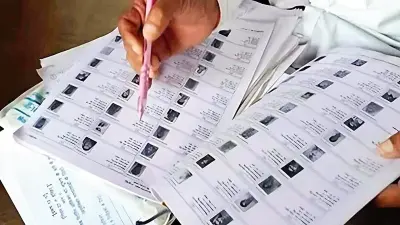
The core issue is simple but serious. Are people whose names have been deleted from the voters' list under SIR — for reasons other than being infiltrators — no longer considered Indian citizens? And if so, are they not entitled to a passport?
The government has stated that a passport is a travel document, not a citizenship certificate. This stand has come under severe criticism. Critics argue that if a person is denied a passport because their name is not on the voters' list, then the government is effectively treating the voter list as proof of citizenship — even while claiming otherwise.
Election Commission and Supreme Court Have Spoken — But Not Clearly
The Election Commission of India (ECI) and the Supreme Court are both on record as holding that citizenship is a separate matter from voter registration. But neither body has clearly addressed what happens when someone is removed from the voter list under SIR for reasons that are not related to infiltration.
According to NDTV, the Supreme Court has previously said that exclusion from the voter list does not mean citizenship ends. But that ruling has not been applied consistently in practice, especially in cases involving SIR.
Our Take: Silence Is Not an Answer
In our view, the MEA, the Election Commission, and the Supreme Court cannot keep silent on this issue. The case of R. Rajagopal is not an isolated incident. It reflects a larger confusion about what SIR means for ordinary citizens.
If the government believes that a passport is not a citizenship certificate, then it must explain why a person's name on the voters' list is used as a condition for passport renewal. If the Election Commission believes that voter list exclusion does not affect citizenship, then it must clarify what happens to people removed under SIR for non-infiltration reasons.
To put it plainly, the silence from all three institutions is damaging public trust. Citizens need clear answers. How long will the poll panel, the Supreme Court, and the MEA keep quiet on this fundamental question of citizenship?