
The Pakistan Cricket Board (PCB) has reportedly introduced a new policy that is creating fresh trouble for Pakistani cricketers looking to play in overseas franchise leagues. According to multiple reports, the PCB now requires a $25,000 No Objection Certificate (NOC) fee for every Pakistan player signed by an overseas league.
This move has directly affected recruitment plans in the ongoing Major League Cricket (MLC) season in the United States. Several MLC franchises have reportedly chosen not to pursue Pakistan players because of this additional cost.
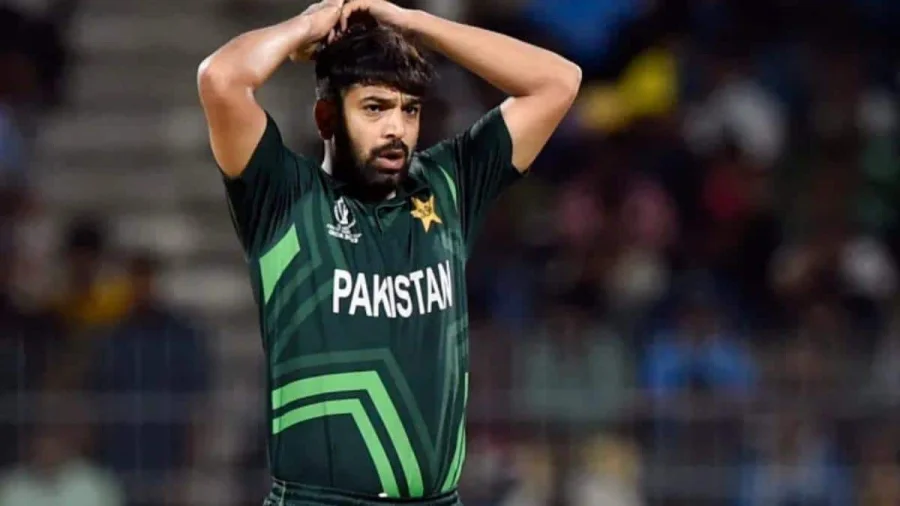
Haris Rauf Remains Only Pakistani Player in MLC
The reported policy has left Haris Rauf as the only Pakistan cricketer featuring in this year's Major League Cricket. His franchise, San Francisco Unicorns, is understood to have paid the required NOC fee to the PCB.
According to reports, the root of the controversy is the PCB's NOC policy, which is claimed to have impacted MLC recruitment of Pakistani players.
Impact on Pakistani Cricketers' Opportunities
This policy effectively limits the opportunities for Pakistani cricketers to participate in lucrative overseas T20 leagues. With franchises unwilling to pay the extra fee, players may find fewer doors open to them in competitions like the MLC.
The situation highlights the growing tension between national cricket boards and global franchise leagues, where administrative costs can directly affect player participation.
Our Take: A Policy That Hurts Players More Than It Helps
In our view, this reported policy seems counterproductive. While the PCB may have its reasons for introducing the fee — perhaps to regulate player availability or generate revenue — the immediate effect is clear: it is reducing opportunities for Pakistani cricketers.
When franchises have to pay extra just to sign a player, they will simply look elsewhere. This leaves talented Pakistani cricketers with fewer chances to compete, earn, and develop their skills on international stages like the MLC.
The PCB should reconsider whether a $25,000 fee per player is worth the cost of limiting its own cricketers' exposure and growth. In the long run, having more Pakistani players in global leagues benefits both the players and the board.