
Summary
Farmers in Punjab are facing a difficult harvest season due to the ongoing war in the Middle East. As the conflict between the US, Israel, and Iran continues, the price and supply of diesel have become major concerns. Many farmers are now taking out high-interest loans to buy fuel in advance, fearing that shortages will leave their crops to rot in the fields. This situation is adding more pressure to a region already struggling with massive debt and job losses for migrant workers.
Main Impact
The biggest impact of the war is the sudden rise in the cost of farming. Diesel is essential for harvesting wheat, and without it, the entire season's work could be lost. Because of the uncertainty caused by the war, farmers are panic-buying fuel. To afford this, they are turning to private moneylenders who charge very high interest rates. This is creating a cycle of debt that is becoming impossible for many families to escape. Additionally, the war is affecting families who rely on money sent home by relatives working in the Gulf countries.
Key Details
What Happened
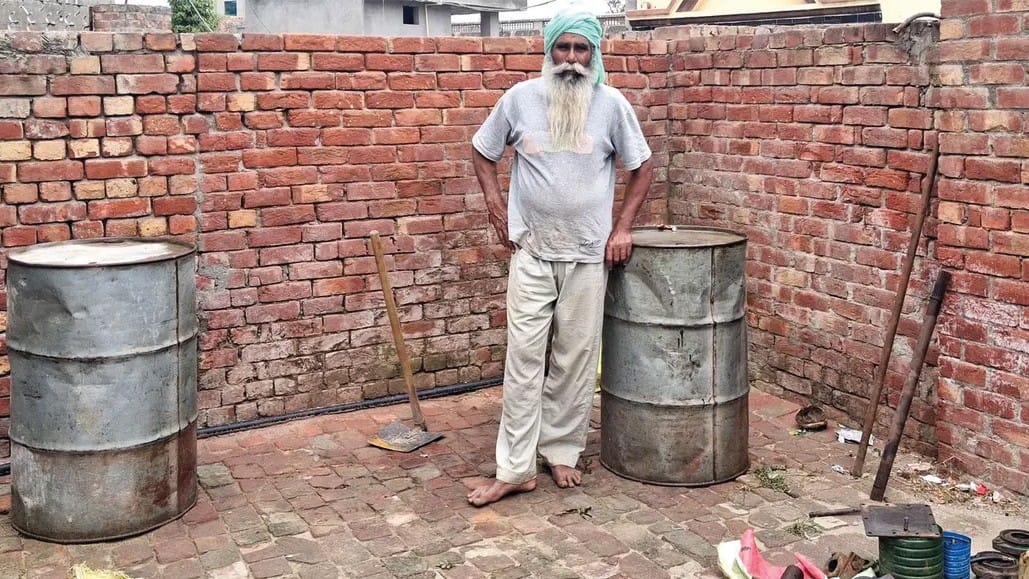
In villages across Punjab, such as Patti in the Barnala district, the golden wheat fields are ready for harvest. However, instead of celebrating, farmers are worried. Dalbara Singh, a 55-year-old farmer, is one of many who has decided to borrow money at an 18 percent annual interest rate just to fill his diesel drums. He knows that his tractor and harvesting machines use a lot of fuel, and he cannot risk running out when the work begins. If the machines stop, the wheat will spoil, and he will lose everything he has worked for over the past year.
Important Numbers and Facts
The financial scale of this crisis is huge. A study from late 2025 shows that farmers in Punjab owe about Rs 1.04 lakh crore to banks. On top of that, they owe another Rs 20,000 crore to local moneylenders. Over the last 20 years, rural debt in the state has increased five times. For individual farmers, the costs are also high. For example, a combine harvester can cost Rs 12 lakh, which is often paid for entirely through loans. If a farmer cannot work for even a few days during the three-week harvest, they risk losing their expensive machinery to the bank.
Background and Context
Punjab is known as the breadbasket of India, but the people who grow the food are often in deep financial trouble. Most farming in the state depends on expensive machinery and chemicals. When global events like a war happen, the prices of oil and supplies go up quickly. This is especially hard for "landless" farmers who rent land from others. They have to pay for the rent, the seeds, and the fuel before they ever see a profit. When the cost of fuel rises, their small profit disappears, leaving them with only debt.
Public or Industry Reaction
Farm unions are expressing deep concern about the current situation. Raghbir Singh Dakala, a leader from the Bharti Kisan Union, noted that long lines of tractors are forming at fuel stations. Farmers are not just buying what they need for today; they are trying to store enough for the whole month. Union leaders say that the government needs to provide more support or ensure that fuel prices stay stable. Many people in the villages feel that they are being punished for a war that is happening thousands of miles away.
What This Means Going Forward
The problems will not end when the wheat harvest is over. After harvesting comes the time for sowing new crops, which requires fertilizers. Many of these fertilizers are imported using the same shipping routes that are now dangerous because of the war. If the conflict lasts longer, the cost of growing food will continue to rise. Furthermore, many young men from Punjab work in West Asian countries like Cyprus or the Gulf. As the war hurts the economy in those regions, these workers are losing their jobs and returning home, which means their families lose a vital source of income.
Final Take
The war in the Middle East is not just a political issue; it is a direct threat to the livelihoods of farmers in rural India. While the world watches the conflict, the people of Punjab are paying the price through higher costs and deeper debt. Without help from the government to manage fuel prices and debt relief, many farming families may find it impossible to recover from this season.
Frequently Asked Questions
Why are Punjab farmers buying diesel in advance?
Farmers fear that the war in the Middle East will lead to fuel shortages or much higher prices. They need diesel to run their harvesting machines and cannot risk the fuel running out during the short harvest window.
How much debt do farmers in Punjab have?
Recent data shows that Punjab's farmers owe over Rs 1 lakh crore to banks and about Rs 20,000 crore to private moneylenders. This debt has grown significantly over the last two decades.
How does the war affect migrant workers from Punjab?
Many people from Punjab work in the Gulf and West Asia in sectors like shipping and tourism. The war has slowed down these industries, causing many workers to lose their jobs or want to return home.