
Summary
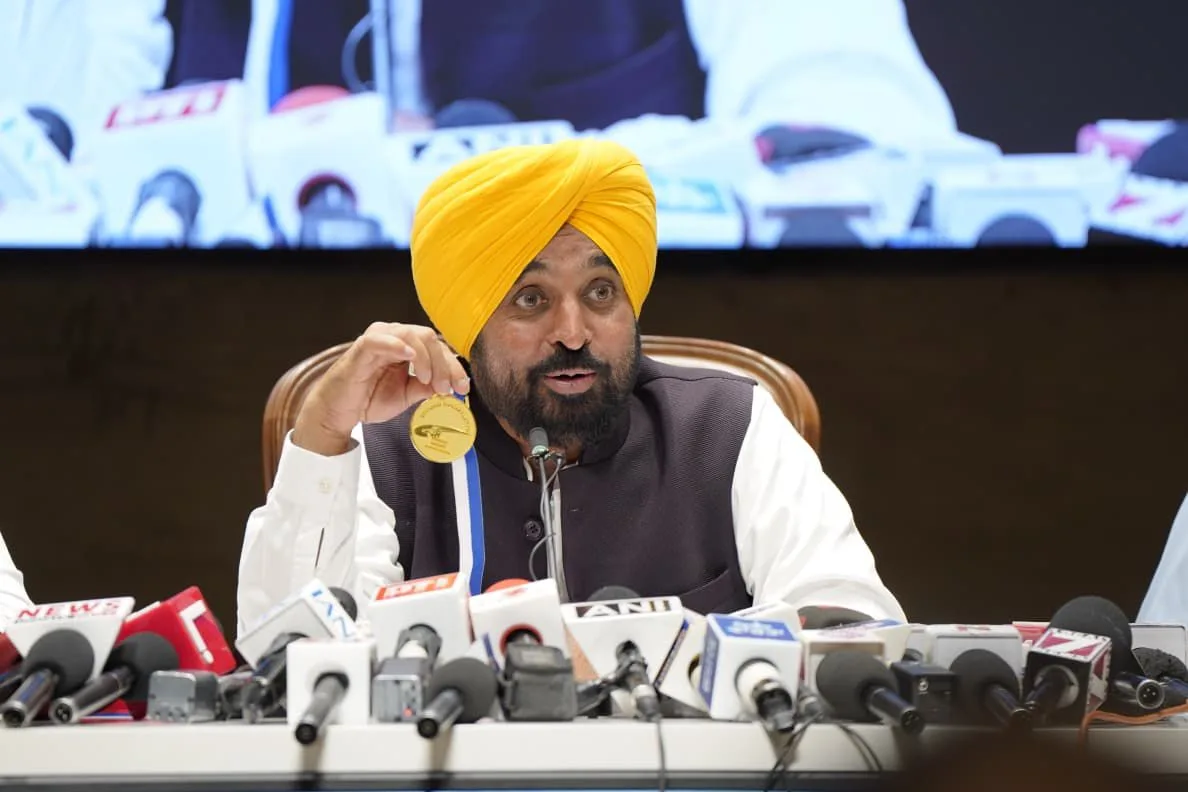
Punjab Chief Minister Bhagwant Mann has announced a significant new trade agreement with the Netherlands. The deal focuses on the export of roses from Punjab to the European nation, which currently buys most of its flowers from Ethiopia. This move is part of a larger plan to help Punjab farmers move away from traditional crops like wheat and rice. By finding new international markets, the state government hopes to boost the local economy and protect the environment.
Main Impact
The primary impact of this deal is the shift toward crop diversification in Punjab. For decades, the state has relied heavily on a cycle of growing wheat and paddy. While this made Punjab a leader in food production, it has also led to soil damage and a drop in water levels. By securing a deal to sell roses to the Netherlands, the government is providing farmers with a profitable alternative. This change could lead to better income for rural families and a more sustainable way of using the land.
Key Details
What Happened
Chief Minister Bhagwant Mann recently returned from a trip to the Netherlands and Finland. He was joined by Power Minister Sanjeev Arora and Education Minister Harjot Bains. During the visit, the team met with business leaders, university experts, and members of the Indian community living abroad. The Chief Minister explained that the Netherlands was surprised to learn about the quality of roses grown in Punjab. He pointed out that Punjab can offer better flower breeds at much lower prices than their current suppliers.
Important Numbers and Facts
Several specific projects and dates were mentioned during the announcement. In May, a fourth group of primary school teachers from Punjab will travel to the University of Turku in Finland to learn new teaching methods. The government also confirmed plans to build an Innovation Hub in Mohali to support new businesses. Additionally, a Horticulture Experience and Learning Centre has been approved to help farmers learn how to grow high-value crops like flowers and fruits.
Background and Context
Punjab is often called the breadbasket of India because it produces so much grain. However, growing the same two crops—wheat and rice—year after year has caused serious problems. These crops require a lot of water, which is running low in many parts of the state. The soil is also losing its natural strength because of the heavy use of chemicals. The state government believes that horticulture, which is the science of growing garden plants, is the best way to fix these issues. The Netherlands is a world leader in this field, making them a perfect partner for Punjab.
Public or Industry Reaction
The reaction from the state ministers has been very positive. Education Minister Harjot Singh Bains noted that the international training for teachers is already showing results. He mentioned that a report will soon be released to show how these trips are helping students in Punjab schools. Industrialists who met with the Punjab team also expressed strong interest. Minister Sanjeev Arora said that many business owners have already promised to invest money in the state after learning about the new opportunities available in Punjab’s changing economy.
What This Means Going Forward
Looking ahead, the partnership with the Netherlands will go beyond just selling flowers. The state plans to adopt "vertical farming" techniques. This is a method where plants are grown in layers, one above the other, often inside buildings. This uses much less land and water than traditional farming. There is also a focus on sports. Floris Jan Bovelander, a famous hockey player from the Netherlands, has agreed to visit Punjab. He will help train young players and improve their skills, showing that the state wants to grow in many different areas, including sports and education.
Final Take
This new agreement is a bold step for Punjab as it tries to modernize its farming industry. By connecting with global markets and bringing in new technology, the state is working to solve long-term environmental and economic problems. If the rose trade is successful, it could open the door for many other types of exports. This strategy shows a clear focus on making farming more profitable for the next generation while keeping the land healthy for years to come.
Frequently Asked Questions
Why is the Netherlands interested in roses from Punjab?
The Netherlands currently buys many roses from Ethiopia, but Punjab offers high-quality flower breeds at more competitive prices. This makes Punjab an attractive new supplier for the European market.
How does this deal help Punjab farmers?
It gives farmers an alternative to growing wheat and rice. Flowers can often be sold for more money, and growing them helps prevent the soil damage and water loss caused by traditional grain farming.
What other areas are included in this international partnership?
The partnership includes education, with teachers being sent to Finland for training, and sports, with Dutch hockey experts coming to Punjab to train youth. It also includes plans for new technology like vertical farming.