

Summary
Punjab has started closing thousands of wheat collection centers as the yearly buying season comes to an end. After reaching nearly all its harvest goals, the state shut down 2,306 centers, leaving only a small number still open for remaining farmers. While the amount of wheat collected is high, the state now faces a major problem with moving the grain out of markets and into permanent storage. This delay is causing space issues across the region as new grain sits waiting for transport.
Main Impact
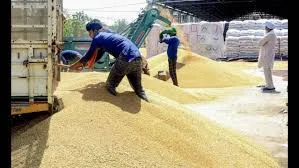
The main impact of this move is the shift from buying grain to managing storage. With over 80% of the collection centers now closed, the focus has turned to the massive amount of wheat sitting in open markets. Because the grain is not being moved fast enough, there is a risk of damage from weather or pests. The slow pace of moving the wheat also creates a bottleneck that affects the entire supply chain, from the local markets to the national food reserve.
Key Details
What Happened
Government officials in Punjab decided to close the majority of wheat purchase centers, known locally as mandis, because the flow of new wheat has slowed down significantly. At the start of the season, thousands of these spots were set up to help farmers sell their crops quickly. Now that most farmers have finished their harvest, the state only needs a few hundred locations to handle the final loads of grain. Currently, only 577 centers remain open to serve the entire state.
Important Numbers and Facts
The scale of this year's wheat season is clear in the data. So far, 121.65 lakh metric tonnes (LMT) of wheat have arrived at the markets. Out of that amount, government agencies have already purchased 120.89 LMT. This is very close to the state's original goal of 122 LMT. However, the problem lies in the "lifting" or moving of the grain. Only 74.77 LMT has been moved to warehouses. This means nearly 40% of the purchased wheat is still sitting in temporary market yards. Daily arrivals have also dropped to around 72,185 metric tonnes, showing that the harvest is almost over.
Background and Context
This year's wheat season was full of uncertainty for farmers in Punjab. In February, unusual heat caused the wheat grains to shrink, which usually means a smaller harvest. Later, in late March and early April, heavy rains hit the fields just as the crops were ready. Because of these weather problems, experts predicted that the state would not meet its target. Surprisingly, the harvest turned out to be much better than expected, matching the high numbers seen last year.
However, this high volume of grain has caused some suspicion. The Food Corporation of India (FCI), which is the central group in charge of food stocks, expressed concern that some of the reported numbers might not be real. They suggested there might be "bogus billing," where people report selling more wheat than they actually have to get extra money from the government. Despite these concerns, the physical grain continues to fill up the markets.
Public or Industry Reaction
State officials are becoming increasingly worried about the slow transport of grain. The Punjab government had asked the central government to move 22 LMT of wheat immediately to make room for the new harvest. They explained that their storage buildings were already full of grain from previous years. So far, the central government has only moved 3.50 LMT directly from the markets. This is much lower than what the state needs to keep the markets clear.
Food and Supplies Department officers noted a big difference compared to last year. Last year, about 20 to 25 trains were used every day to carry grain out of Punjab to other parts of India. This year, that number has dropped to only 5 or 6 trains per day. This lack of transport is the main reason why the markets are still crowded with bags of wheat.
What This Means Going Forward
The next few weeks will be critical for Punjab’s food management. If the central government does not provide more trains to move the wheat, the grain could be at risk. Wheat stored in the open can rot if it rains or can be eaten by insects and rodents. The state has sent another formal request to the central government asking for faster transport. If the wheat is not moved soon, it could also delay payments or create logistical problems for the next crop season. The focus will remain on clearing the 577 remaining centers and emptying the temporary storage yards as quickly as possible.
Final Take
Punjab has proven again that it can produce a massive amount of food even when the weather is not perfect. While the successful harvest is good news for food security, the breakdown in transport shows a weakness in the system. Growing the food is only half the job; having the space and the trains to move it is just as important. Without better coordination between the state and the central government, the hard work of the farmers could be wasted by poor storage and slow logistics.
Frequently Asked Questions
Why are the wheat centers closing in Punjab?
Most centers are closing because the harvest season is ending and the amount of wheat being brought in by farmers has dropped significantly. The state has already met most of its buying goals.
What is the main problem facing the wheat harvest right now?
The biggest issue is "lifting," which means moving the purchased wheat from the markets to permanent storage. Currently, millions of tonnes of wheat are stuck in markets because there are not enough trains to move them.
How much wheat did Punjab buy this year?
So far, the state has purchased about 120.89 lakh metric tonnes of wheat, which is very close to its original target of 122 lakh metric tonnes.