
Summary
Helen Greiner, one of the original founders of iRobot, is moving in a new direction with her latest robotic creations. After helping the world get used to vacuuming robots like the Roomba, she is now focusing on small, interactive robots designed to be companions. These new machines act more like pets than tools, offering a sense of presence in the home without the responsibilities of a living animal. This shift highlights a growing interest in social robots that can interact with humans on an emotional level.
Main Impact
The move from utility robots to social robots is a major change in the tech industry. For years, robots in the home were expected to do specific chores, like cleaning floors or mowing lawns. Now, the people who pioneered those tools are trying to make robots that people actually want to spend time with. This could change the way we think about technology, moving it from a simple appliance to a member of the household. If successful, these "weird little companions" could become as common as the smart speakers we use today.
Key Details
What Happened
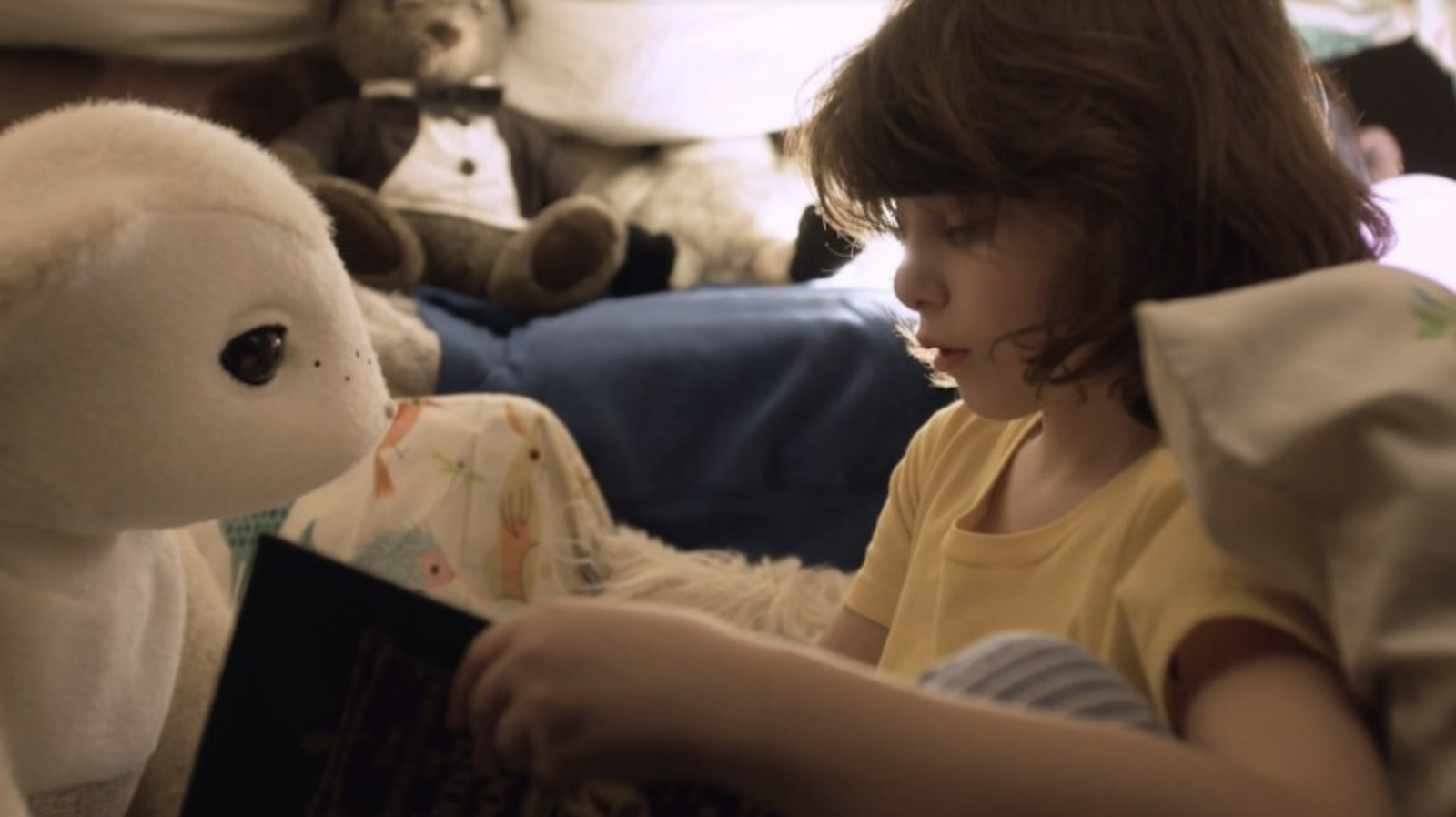
Helen Greiner has spent decades making robots that solve problems. As a co-founder of iRobot, she helped create the most famous home robot in history. Her new project focuses on robots that are small, mobile, and full of personality. These robots are not designed to scrub your kitchen or carry heavy loads. Instead, they use advanced sensors and artificial intelligence to follow people around, respond to sounds, and show "emotions" through movement and light. They are built to be fun, quirky, and engaging for users of all ages.
Important Numbers and Facts
The history of this movement started in 1990 when iRobot was first formed. It took over ten years for the company to release the Roomba in 2002, which eventually sold tens of millions of units worldwide. The new wave of companion robots aims to tap into a market that is expected to grow significantly over the next ten years. Unlike the early days of robotics, these new machines have access to much faster processors and better cameras, making them more reactive than anything seen in the early 2000s.
Background and Context
To understand why these robots are being made, it helps to look at how our homes have changed. Many people live alone or spend a lot of time working from home. While a real dog or cat is a great companion, they require a lot of work, money, and time. Robot companions are being marketed as a "low-stress" alternative. They do not need to be fed, they do not make messes, and they do not need to go to the vet. For tech fans, these robots are also a way to see how far artificial intelligence has come in understanding human behavior.
Public or Industry Reaction
The reaction to these new robots has been a mix of curiosity and doubt. Some tech experts believe that social robots are the next big step for the industry. They see a future where every home has a small robot that acts as a personal assistant and friend. However, some members of the public find the idea a bit strange. There are concerns about privacy, as these robots use cameras to see where they are going. Others feel that a robot can never truly replace the bond between a human and a real pet. Despite these concerns, the "cuteness" factor of these machines has helped them gain a lot of attention on social media.
What This Means Going Forward
In the coming years, we will likely see more of these interactive machines entering the market. The goal for creators like Greiner is to make the technology feel natural. As AI continues to improve, these robots will get better at understanding what people say and how they feel. This could lead to robots that help the elderly feel less lonely or robots that help children learn new skills through play. The biggest challenge will be making them affordable enough for the average family to buy. Right now, many of these "weird" companions are still expensive toys for early adopters.
Final Take
The creator of the Roomba is proving that robots do not always have to be serious or purely functional. By focusing on companionship, these new projects are testing the limits of how we relate to machines. Whether they are seen as useful friends or just strange gadgets, these robots represent a bold new chapter in home technology. They remind us that the future of robotics might not just be about doing our work, but also about keeping us company.
Frequently Asked Questions
Who is Helen Greiner?
Helen Greiner is a famous roboticist and a co-founder of iRobot, the company that created the Roomba vacuum cleaner. She is a leader in the field of home and military robotics.
What do these new robots actually do?
These robots are designed for social interaction. They use sensors to move around, react to people, and provide entertainment. They are meant to be companions rather than tools for cleaning or chores.
Are these robots better than real pets?
They are not meant to replace real animals but offer an alternative for people who cannot have pets. They require no food or medical care, making them much easier to look after than a living creature.