

Summary
A major financial scandal has come to light involving a massive bank fraud worth Rs 645.59 crore. The Enforcement Directorate (ED) recently shared details with a court in Panchkula about how former bank managers allegedly stole money from government departments and private schools. The main person behind the plan, Ribhav Rishi, used his family members and staff to hide the stolen funds. This case highlights a serious breach of trust within the banking system, where public money meant for development was diverted into private pockets.
Main Impact
The primary impact of this scam is the loss of over Rs 645 crore belonging to the public. This money was supposed to be kept in safe bank deposits for various government projects and school operations. Instead, it was moved through a complex web of fake companies. The fraud has affected 11 different government departments in Haryana and Chandigarh, along with two well-known private schools. This loss could delay public works and affect the financial stability of the involved organizations.
Key Details
What Happened
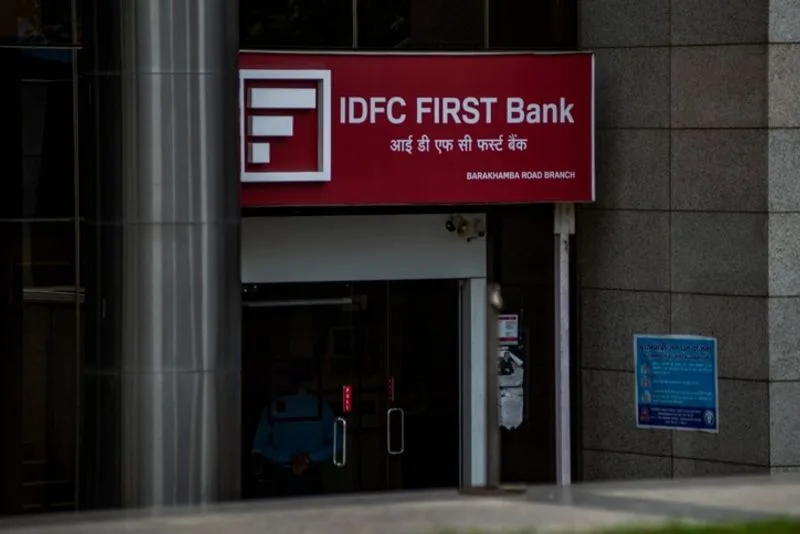
The investigation shows that Ribhav Rishi, a former branch manager at IDFC First Bank, and Abhay Kumar, a relationship manager, were the key players. They were supposed to create Fixed Deposit Receipts (FDRs) for government funds. However, they never actually created these deposits. Instead, they gave the departments fake documents that looked like real bank receipts. While the officials thought their money was safe in the bank, the managers were busy moving the funds into accounts they controlled.
To hide their tracks, they set up "shell entities," which are companies that exist only on paper. Rishi used his personal assistant, his driver, his driver’s wife, and even his own mother as the owners or directors of these companies. For example, one firm called Capco Fintech Services was used to move more than Rs 471 crore. The people listed as owners often had no idea what was happening. One woman, who was the wife of a driver, told investigators she was illiterate and did not know she was a partner in a multi-crore business.
Important Numbers and Facts
The scale of the theft is quite large. Here is a breakdown of the money moved through different fake firms:
- Capco Fintech Services: Received Rs 471.69 crore. It was controlled by Rishi using his assistant and driver’s wife.
- Swastik Desh Projects: Received Rs 203.50 crore. This was run by Abhay Kumar using his wife and brother-in-law.
- SRR Planning Gurus: Received Rs 55.33 crore. Rishi’s mother was listed as a director here.
- RS Traders: Received Rs 43.80 crore. This was opened in the name of Rishi’s driver.
The money was taken from several important groups. The Haryana State Pollution Control Board lost nearly Rs 170 crore. The Municipal Corporation of Panchkula lost Rs 80 crore, and the Chandigarh Municipal Corporation lost over Rs 73 crore. Even schools were not safe; DC Model Senior Secondary School lost Rs 7.80 crore.
Background and Context
In the banking world, Fixed Deposits are considered one of the safest ways to store large amounts of money. Government departments often use them to earn interest on funds that are not immediately needed for projects. Because bank managers hold a position of high trust, officials usually do not suspect that the documents they receive might be fake. In this case, the managers used their internal knowledge of bank systems to bypass security checks and move money without raising red flags for a long time.
Public or Industry Reaction
The news has caused a stir in the local community and the banking sector. Many are shocked that such a large amount of money could be stolen by bank employees using their own family members as fronts. The court in Panchkula has sent both Ribhav Rishi and Abhay Kumar to 10 days of custody with the ED. This will allow investigators to ask more questions and try to find where the rest of the money went. Lawyers for the accused are being allowed to meet them for one hour every day during this period.
What This Means Going Forward
This case will likely lead to much stricter rules for how government departments handle their bank accounts. There will probably be a push for digital verification of all bank deposits so that fake paper receipts cannot be used to hide theft. Banks may also face more pressure to monitor the private businesses of their employees and their families to prevent similar conflicts of interest. The ED is currently working to track down the cash that was distributed across Chandigarh, Mohali, and Panchkula after being laundered through jewelry shops.
Final Take
The Rs 645-crore scam is a harsh reminder that internal threats can be just as dangerous as outside hackers. When senior bank staff use their positions to manipulate the system, the damage can be massive. Recovering the full amount will be a difficult task for the authorities, but the current investigation is a step toward holding those responsible for this huge breach of public trust accountable.
Frequently Asked Questions
Who is the main person accused in the bank scam?
The main person is Ribhav Rishi, who was a branch manager at IDFC First Bank in Chandigarh. He is accused of planning the fraud and using shell companies to steal funds.
How was the money stolen from the bank?
The managers did not create the Fixed Deposits that government departments asked for. Instead, they gave the departments fake receipts and moved the actual money into fake company accounts controlled by their relatives and staff.
Which organizations lost the most money?
The biggest losers were government departments like the Haryana State Pollution Control Board and the Municipal Corporations of Panchkula and Chandigarh. Two private schools in Panchkula also lost several crores.