
Summary
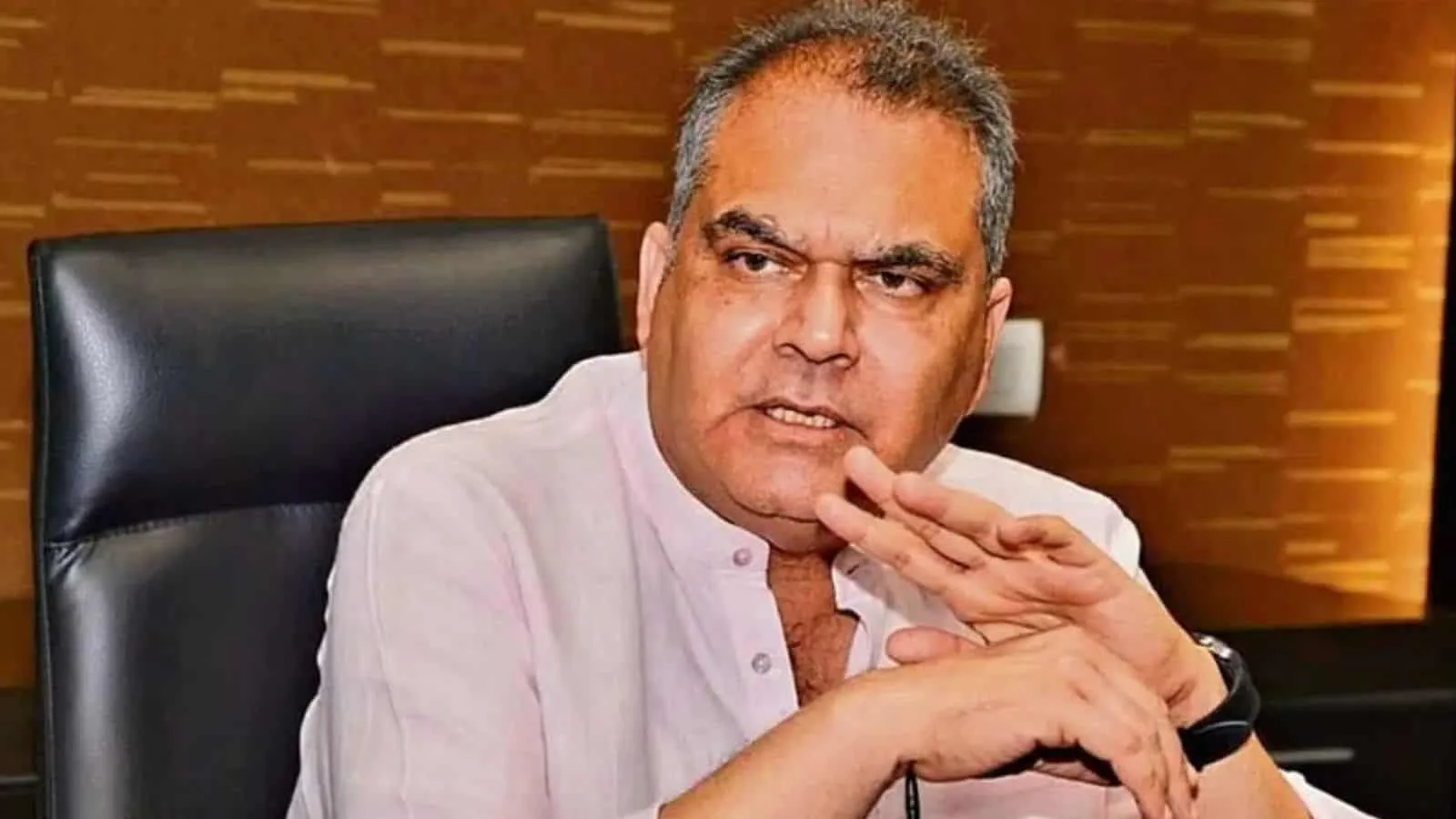
A court in Gurugram has extended the custody of Punjab Minister Sanjeev Arora for an additional two days. The Enforcement Directorate (ED) is currently investigating the minister for his alleged involvement in a money laundering case worth Rs 100 crore. This decision follows the completion of his initial seven-day remand period. Investigators believe the minister used illegal funds to buy expensive properties and moved money through hidden channels to avoid detection by the law.
Main Impact
The extension of the remand means that the Punjab minister will remain under intense questioning by federal agents. This development puts a spotlight on the financial dealings of high-ranking officials in the state. The case has the potential to reveal a larger network of people involved in illegal money transfers. For the public, it serves as a reminder of the strict actions taken by the government against financial crimes. The outcome of this investigation could lead to more arrests and a deeper look into how public figures manage their private wealth.
Key Details
What Happened
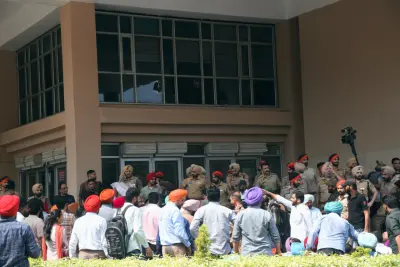
On Saturday, the Enforcement Directorate brought Sanjeev Arora before a District and Sessions Judge in Gurugram. His previous seven-day period in custody had just ended. The ED asked the court for five more days to keep him for questioning, but the judge only allowed two days. The agency told the court that they found many important documents during raids at the minister’s home and offices. These papers suggest that the minister was involved in suspicious financial deals and bought property worth many crores of rupees in the Gurugram area.
Important Numbers and Facts
The investigation centers on a massive sum of Rs 100 crore. Arora was first arrested by the ED on May 9 from his home in Chandigarh. Since then, he has been in the custody of the agency. The ED is specifically looking into "shell companies," which are fake businesses used only to move money. They are also looking for "benami" properties. This is a term used for property that is bought by one person but kept in the name of someone else to hide the real owner. The agency claims that several individuals need to be questioned alongside the minister to find out where the money came from and where it went.
Background and Context
Money laundering is a serious crime where people try to make "dirty" money look "clean" or legal. In this case, the ED believes that the Rs 100 crore involved did not come from legal sources. The agency has been watching the minister’s financial activities for a long time. They are interested in how a public official could afford such expensive land and buildings in Gurugram, which is one of the most expensive real estate markets in the country. Understanding how these funds were moved is vital for the agency to prove their case in court. This investigation is part of a larger effort by national agencies to stop the flow of illegal money in the political system.
Public or Industry Reaction
The legal team representing Sanjeev Arora has strongly disagreed with the ED's actions. During the court hearing, his lawyers argued that the minister has been helpful and has already given all the necessary information to the investigators. They claimed that the ED already has the documents they need, so there is no reason to keep him in jail for more questioning. On the other hand, the ED insists that the minister has not been fully honest about his bank accounts and the people who helped him move the money. The public is closely watching the case, as it involves a sitting minister from the Punjab government.
What This Means Going Forward
Over the next 48 hours, the ED will focus on matching the seized documents with the minister’s statements. They want to know exactly who managed the money and how the properties in Gurugram were paid for. If the minister cannot explain where the money came from, he could face even more serious charges. After the two-day remand ends, he will be brought back to court. At that point, the judge will decide if he should stay in custody longer or if he can be sent to a regular jail while waiting for his trial. This case might also lead the ED to investigate other business partners or family members linked to these transactions.
Final Take
The legal pressure on Sanjeev Arora is growing as the investigation enters a critical stage. With Rs 100 crore at the center of the case, the Enforcement Directorate is determined to find every link in the chain. The next few days will be very important for the agency to gather enough evidence to build a strong case. This situation highlights the risks faced by public officials when their private financial dealings do not match their official income records.
Frequently Asked Questions
Why was Sanjeev Arora arrested?
He was arrested by the Enforcement Directorate on suspicion of laundering Rs 100 crore and buying expensive properties through illegal financial transactions.
What is a shell company?
A shell company is a business that exists only on paper. It does not have an active office or real business operations. It is often used to hide money or avoid paying taxes.
What happens after the two-day remand ends?
The minister will be produced in court again. The judge will then decide whether to grant more time to the ED, send him to judicial custody, or consider a bail application.