
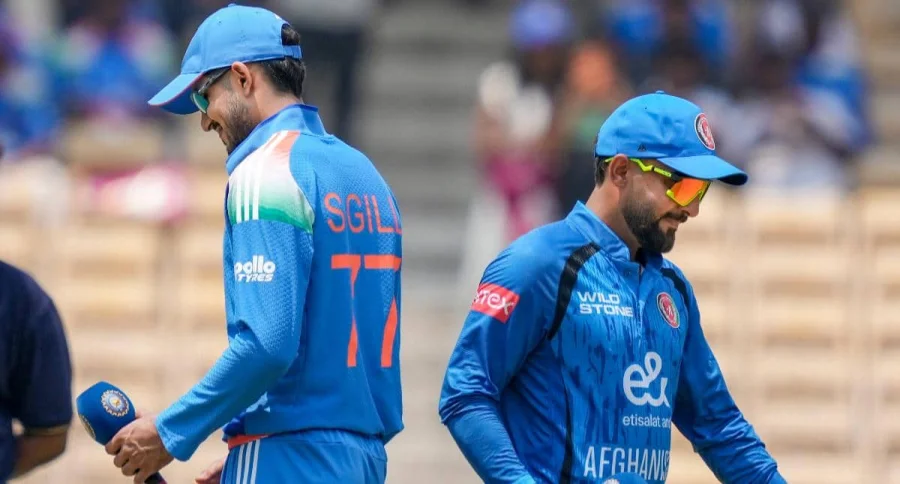

India's stand-in captain Shubman Gill has finally spoken about the growing debate over Rohit Sharma's future in ODIs, calling the intense competition for opening slots a "good kind of headache" for the selectors.
Gill's comments come after India's emphatic 3-0 series sweep over Afghanistan. The discussion around the opening combination intensified following a dominant nine-wicket win at the MA Chidambaram Stadium in Chennai.
Gill Calls Selection Dilemma a 'Good Kind of Headache'
According to The Times of India, Gill described the situation as a positive challenge. "It is a good kind of headache," he said, referring to the pressure on selectors to decide the future of veteran opener Rohit Sharma.
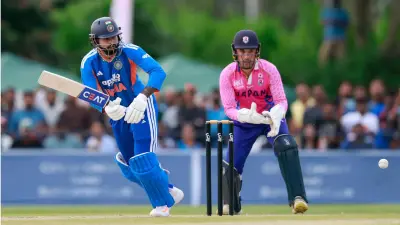
The debate was sparked after young prodigy Yashasvi Jaiswal stole the headlines by smashing a brilliant, unbeaten century (110*) to stake an undeniable claim for permanent selection. This was Jaiswal's second century in the last three ODIs, putting significant pressure on the team management.
Rohit Sharma's Form and the Opening Logjam
While veteran opener Rohit Sharma found form with an elegant 79 in the final match, Jaiswal's explosive knock has made the selection process more complicated. With crucial limited-overs assignments against England fast approaching, the team faces a tough decision on who should open the innings.
As reported by Yahoo Sports, the mounting pressure on selectors comes at a time when India is looking to build a strong squad for future tournaments. The presence of multiple in-form openers has created a logjam at the top of the order.
What This Means for Team India
The situation highlights the depth of talent in Indian cricket. With Gill himself being a top-order batsman, his comments reflect a mature understanding of team dynamics. The "good kind of headache" phrase suggests that the team sees this as a strength rather than a problem.
According to Hindustan Times, the BCCI reportedly expected Rohit Sharma to retire from ODIs after the Champions Trophy. However, with his recent form and the emergence of Jaiswal, the decision has become more complex.
Our Take: A Healthy Problem for Indian Cricket
In our view, this is exactly the kind of problem every cricket team wants. Having multiple world-class openers fighting for two spots means India's batting lineup remains strong regardless of who plays. Gill's calm and positive response shows leadership maturity.
To put it plainly, the selectors now have a tough but enviable task. Rohit Sharma's experience and recent form make him hard to drop, but Jaiswal's hunger and consistency demand a place. The coming series against England will likely provide more clarity on the team's long-term plans.
What is clear is that Indian cricket is in good hands — whether it is the experienced Rohit or the young Jaiswal, the team has quality options at the top of the order.