
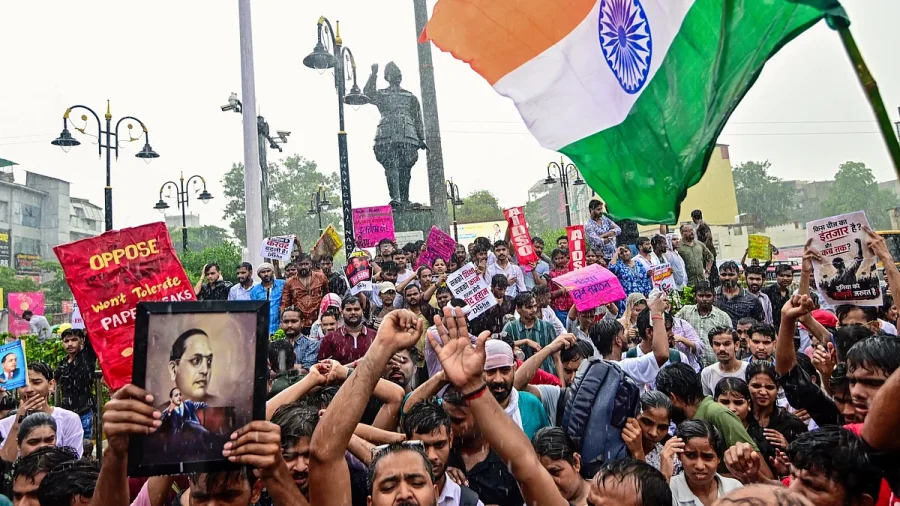

Protesters gathered at Jantar Mantar on Monday, 20 July, say the forcible removal of scientist-activist Sonam Wangchuk marks a turning point in their movement. Wangchuk had been leading a 20-day fast at the site until he was removed on 18 July. The overwhelming sentiment among the crowd was that the government should have engaged in dialogue rather than using force.
Demand for dialogue on education system
According to the original story, protesters strongly felt that the government should have had a dialogue with Sonam Wangchuk about the dysfunctional education system. Wangchuk, a well-known activist from Ladakh, had been fasting to draw attention to what he and his supporters see as deep flaws in India's education policies. Many at the protest said the removal was unnecessary and that peaceful protest is a democratic right.
Right to march to Parliament questioned
Participants in the CJP-led 'Sansad Chalo' march also voiced strong anger. They said they should have been allowed to march to Parliament to speak their minds. "The Parliament represents we, the people; why should we be denied permission to march and speak our mind to the MPs?" was a question asked by many at the protest, as reported in the original story.
"The Parliament represents we, the people; why should we be denied permission to march and speak our mind to the MPs?" — Protesters at Jantar Mantar
Police action criticized as tactless
Protesters also criticized the Delhi Police for their handling of the situation. Many pointed out that the police acted like a colonial police force, beating up youth without any provocation. Rajan Chaudhary, a resident of Jhajjar, Haryana, was quoted in the original story asking, "What is the fault of the students who died by..." — suggesting that the police response was disproportionate and unjustified.
Our Take: A test for democratic rights
In our view, this protest is a clear test of how India handles dissent. The forcible removal of a peaceful activist like Sonam Wangchuk, who was on a hunger strike for education reform, sends a troubling signal. When citizens cannot march to Parliament or protest without being beaten, the idea of democracy weakens. The government had a chance to listen and engage — instead, it chose force. That is not a sign of strength, but of fear. The protesters are right to call this a turning point. The question now is: will the government learn from it, or double down?