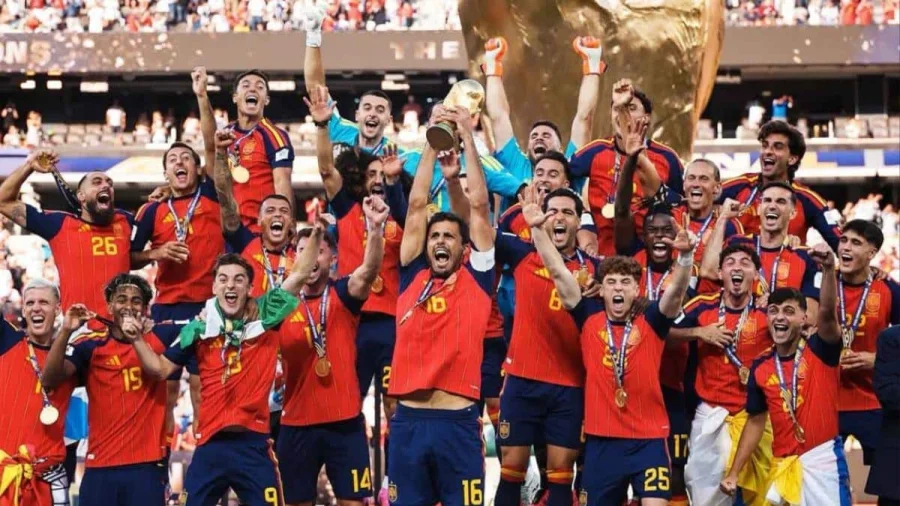

Spain’s victory in the 2026 FIFA World Cup final quickly became more than just a sporting triumph. Within minutes of the final whistle, brands across sectors rushed to capitalise on one of the year’s biggest global moments with real-time social media campaigns.
Companies published congratulatory messages, creative visuals, short videos, and topical posts celebrating Spain’s title-winning performance. The flurry of activity highlighted how real-time marketing has become an established strategy for brands seeking to engage audiences during major sporting events.
Spain’s World Cup Win and Brand Celebrations
Spain secured their second men’s FIFA World Cup title after defeating defending champions Argentina 1-0 after extra time. Substitute Ferran Torres scored the winning goal at New York New Jersey Stadium.
According to exchange4media, brands like Reliance and Coca-Cola were among those that joined the celebration with their social media campaigns. The report notes that the real-time marketing push came as Spain lifted the trophy, with companies eager to associate themselves with the victory.
How Brands Used Real-Time Marketing
The rapid response from brands shows how real-time marketing has become a standard practice during major events. Companies do not wait for the next day to post their messages. Instead, they prepare content in advance and publish it the moment the event concludes.
This approach allows brands to be part of the conversation while it is still happening. For the World Cup final, this meant posting within minutes of the final whistle. The strategy helps brands stay relevant and connect with fans who are already engaged and excited.
Our Take: Real-Time Marketing Is Now a Necessity
In our view, the race among brands to celebrate Spain’s World Cup win shows that real-time marketing is no longer optional for big companies. It has become a necessity. When millions of people are watching the same event, brands that do not participate risk being forgotten.
However, there is a risk. If a brand’s message feels forced or too commercial, it can backfire. The best campaigns are those that feel genuine and add to the celebration rather than just trying to sell something. Brands like Reliance and Coca-Cola have the resources to do this well, but smaller companies should think carefully before jumping into the same race.
To put it plainly, the World Cup final is a moment of joy for fans. Brands that can share that joy without being intrusive will win the most goodwill.
Sources & References
- exchange4media — FIFA World Cup Final 2026: As Spain lifts the trophy, brands join the celebrations