
Summary
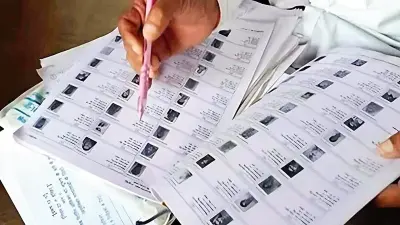
A new voter list revision process called Special Intensive Revision (SIR) is causing major concerns across India. Since it began in 2025, the program has removed nearly 60 million voters from the official lists, which is about 10 percent of the population in the affected areas. Many of those removed are legal citizens who have voted in previous elections but are now losing their right to participate. As the next phase of this project begins, there are urgent calls for state governments to step in and protect the voting rights of their people.
Main Impact
The primary impact of the SIR process is the large-scale removal of eligible voters due to technicalities and clerical errors. By design, the system makes it difficult for many people to stay on the voter rolls. This is especially true for those who are poor, do not have internet access, or have minor mistakes in their official documents. If this trend continues, another 40 million people could be removed by the end of the next phase, which could significantly change the outcome of future elections by silencing millions of voices.
Key Details
What Happened
The Election Commission of India (ECI) launched the SIR program in June 2025, starting in Bihar. The goal was to update voter lists and remove names that should not be there, such as people who have died or moved away. However, the process has been criticized for being unclear and disorganized. There is no official handbook for the project, and many local officials receive their instructions through informal channels like WhatsApp messages. This lack of a clear plan has led to many mistakes and the unfair removal of citizens.
Important Numbers and Facts
The scale of the deletions is massive. In every state where SIR has been finished, about 10 percent of the voters were taken off the list. This adds up to 6 crore (60 million) people so far. In West Bengal, 2.7 million people were deleted. When these people challenged the decision in court, the tribunals found that 96 percent of them were removed by mistake and ordered their names to be put back. Despite these high error rates, the third phase of the program is scheduled to start on May 30, 2026, covering 16 states and three Union territories.
Background and Context
The government originally said this exercise was needed to find and remove foreigners who might be on the voter lists. However, the ECI has not yet released any data showing how many foreigners were actually found. Instead, the process relies on a complicated system of "mapping" voters to old records from 2002. If a person's name, age, or address does not perfectly match across different documents, they risk being deleted. Many of these errors were made by government workers years ago during data entry, but the citizens are the ones being punished for them now.
Public or Industry Reaction
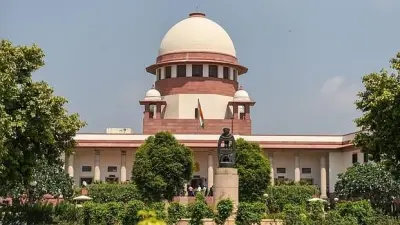
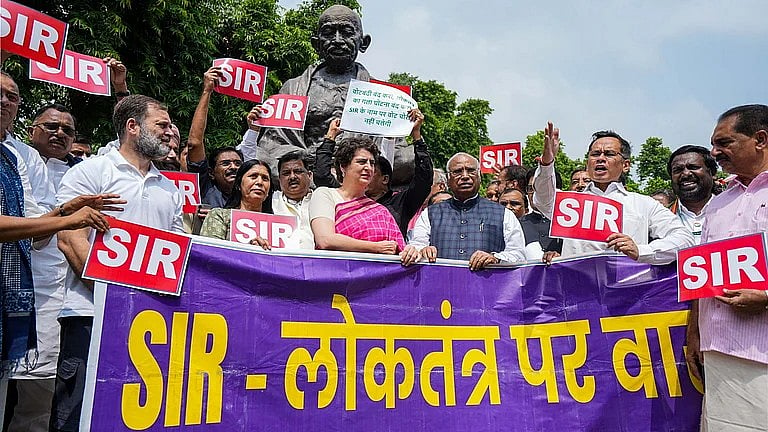
There is growing worry among civil rights groups and some political leaders. In West Bengal, the high number of successful appeals in court proved that the system is prone to making mistakes. While some state governments have promised to protect their citizens, many have remained passive. Critics argue that the SIR process is unconstitutional because it takes away the right to vote, which is guaranteed to every adult citizen. There is also a strong suspicion that the process may be unfairly targeting minority groups and the most vulnerable members of society.
What This Means Going Forward
With the third phase starting soon, state governments have a small window of time to act. Experts suggest several steps to prevent more people from losing their voting rights. States could start their own programs to help citizens fix errors in their documents before the SIR process reaches them. They could also conduct special surveys to make sure homeless people and migrant workers are not left out. Without active intervention from state leaders, millions of bona fide citizens may find themselves unable to vote in the next election.
Final Take
The right to vote is the foundation of a fair society. While keeping voter lists clean is important, it should not come at the cost of removing millions of legal citizens. The high error rates seen in earlier phases show that the current system is not working correctly. It is now up to state governments and the courts to ensure that technical errors do not stop people from exercising their most basic democratic right.
Frequently Asked Questions
What is the SIR process?
SIR stands for Special Intensive Revision. It is a program used by the Election Commission to update voter lists by checking the details of every person registered to vote.
Why are so many people being removed from the voter lists?
Many people are being removed because of small differences in their names, ages, or addresses on different government documents. Others are removed because they cannot easily access the digital forms needed to verify their status.
Can people get their names back on the list if they are removed?
Yes, citizens can appeal the decision through special tribunals or courts. In previous cases, a very high percentage of people who appealed were able to prove they were legal voters and had their names restored.