
Summary
Artificial intelligence is moving into the toy box faster than ever before. New AI-powered toys are being sold as friendly companions for children as young as three years old. While these toys offer interactive play, they are entering a market that has very few rules or safety checks. This rapid growth is creating a "Wild West" environment where technology is moving much faster than government oversight.
Main Impact
The rise of AI toys is changing how children interact with technology at a very early age. Unlike traditional toys that rely on a child's imagination, these new gadgets use advanced software to talk, learn, and respond. This shift means that toys are no longer just objects; they are becoming active participants in a child's life. While this can be exciting, it also raises big questions about how these machines influence young minds and who is watching over the data they collect.
Key Details
What Happened
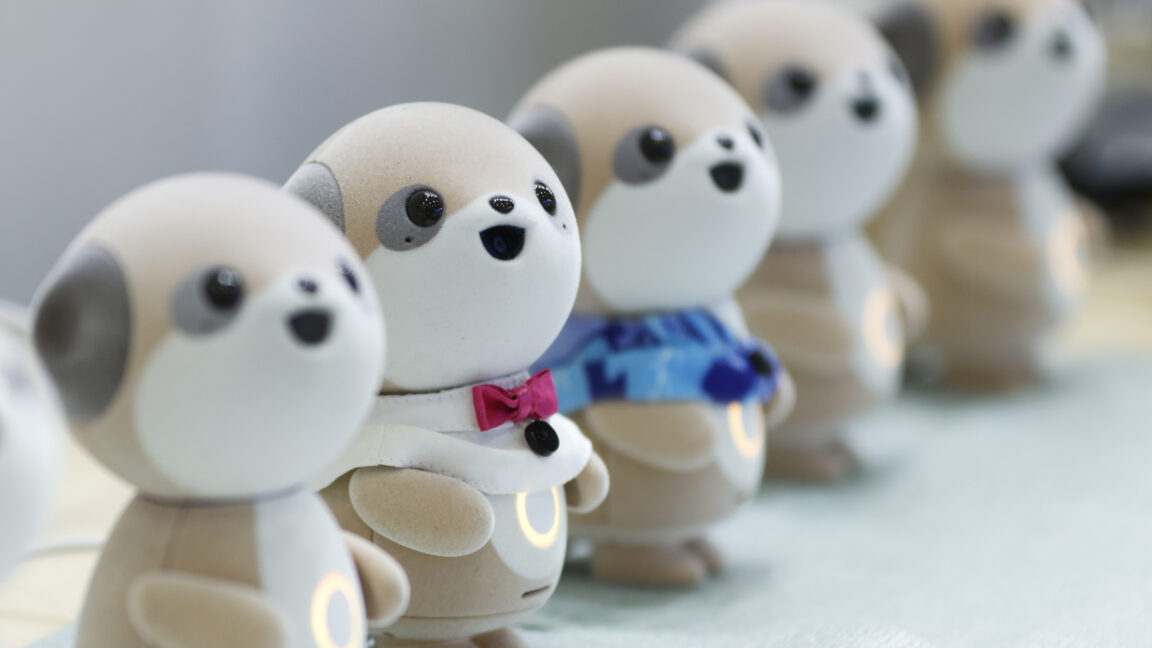
In the last year, the market for AI toys has exploded. Major tech companies and small startups are all rushing to create the next big "smart" friend for kids. These toys use artificial intelligence to hold conversations and play games. They have become a major highlight at global technology events like CES and the Hong Kong Toys & Games Fair. Many of these products are marketed as educational tools that can help children learn while they play.
Important Numbers and Facts
The growth of this industry is backed by massive numbers. By late 2025, more than 1,500 companies focused on AI toys were registered in China alone. Sales figures show that parents are buying these products in large quantities. For example, Huawei released a plush toy called Smart HanHan that sold 10,000 units in just its first week. Another company, Miko, claims to have sold over 700,000 of its AI robots. In April 2026, Sharp also joined the market by launching its PokeTomo talking toy in Japan.
Background and Context
It has become much easier for companies to build AI toys because the software is now widely available. Developers can use existing AI models to give their toys a "brain" without having to build everything from scratch. A new trend called "vibe coding" has also made it simpler for people to create software quickly. Because the cost of adding AI to a toy has dropped, even cheap trinkets are now coming with smart features. This has led to a flood of new products on websites like Amazon from brands that many parents have never heard of before.
Public or Industry Reaction
The tech industry is very excited about this trend. Trade shows are filled with robots and dolls that promise to be a child's best friend. However, some experts and parents are worried. Since these toys have microphones and sometimes cameras, there are concerns about where the recorded data goes. Because the industry is not yet strictly regulated, it is often unclear how well these toys protect a child's privacy. Some people also wonder if talking to a robot all day might change how children learn to talk to real people.
What This Means Going Forward
As AI toys become more common, we can expect to see more debate about safety rules. Governments may eventually create new laws to make sure these toys are safe for kids to use. For now, the responsibility falls on parents to research what they are buying. We will likely see even more advanced toys that can remember a child's name, their favorite colors, and their daily habits. The long-term effect of having an AI companion during early childhood is still unknown, and researchers will be watching closely as this generation grows up.
Final Take
The world of play is being rebuilt by artificial intelligence. While these smart toys offer new ways to learn and stay entertained, they also bring new risks that did not exist a few years ago. As the line between a toy and a computer continues to blur, the focus must stay on keeping children safe in this fast-changing digital world. Technology is a powerful tool, but it should never replace the safety and privacy that every child deserves.
Frequently Asked Questions
Are AI toys safe for toddlers?
Many AI toys are marketed for children as young as three. However, parents should check the privacy settings and see if the toy requires an internet connection to work, as this can affect data safety.
How do AI toys talk to children?
These toys use built-in microphones to listen to what a child says. The audio is processed by an AI model, which then generates a spoken response through a speaker in the toy.
Why are there so many new AI toys suddenly?
It has become much cheaper and easier for companies to use AI software. New tools allow manufacturers to add "smart" features to toys quickly and at a low cost, leading to a boom in the market.