
Summary
A man accused of trying to attack the White House correspondents’ dinner traveled across the United States by train while carrying several weapons. The suspect, identified as Cole Tomas Allen, reportedly made the trip from California to Washington, D.C., using the national rail system. When he was caught, police found a shotgun, a handgun, and several knives in his possession. This incident has raised serious questions about how people can transport firearms on trains and whether security for rail travel needs to be stricter. However, top government officials have stated that they do not plan to change laws regarding gun ownership or travel security at this time.
Main Impact
The most significant impact of this event is the renewed debate over "soft targets" in the United States. While airports have very strict security where every person and bag is scanned, trains operate with much more freedom. This case shows that a person can carry dangerous weapons through multiple states without being detected by rail authorities. Despite the danger, the acting Attorney General has made it clear that the government is not looking to pass new laws or make current rules more restrictive. Instead, the focus remains on the fact that law enforcement successfully stopped the suspect before he could enter the event and cause mass harm.
Key Details
What Happened
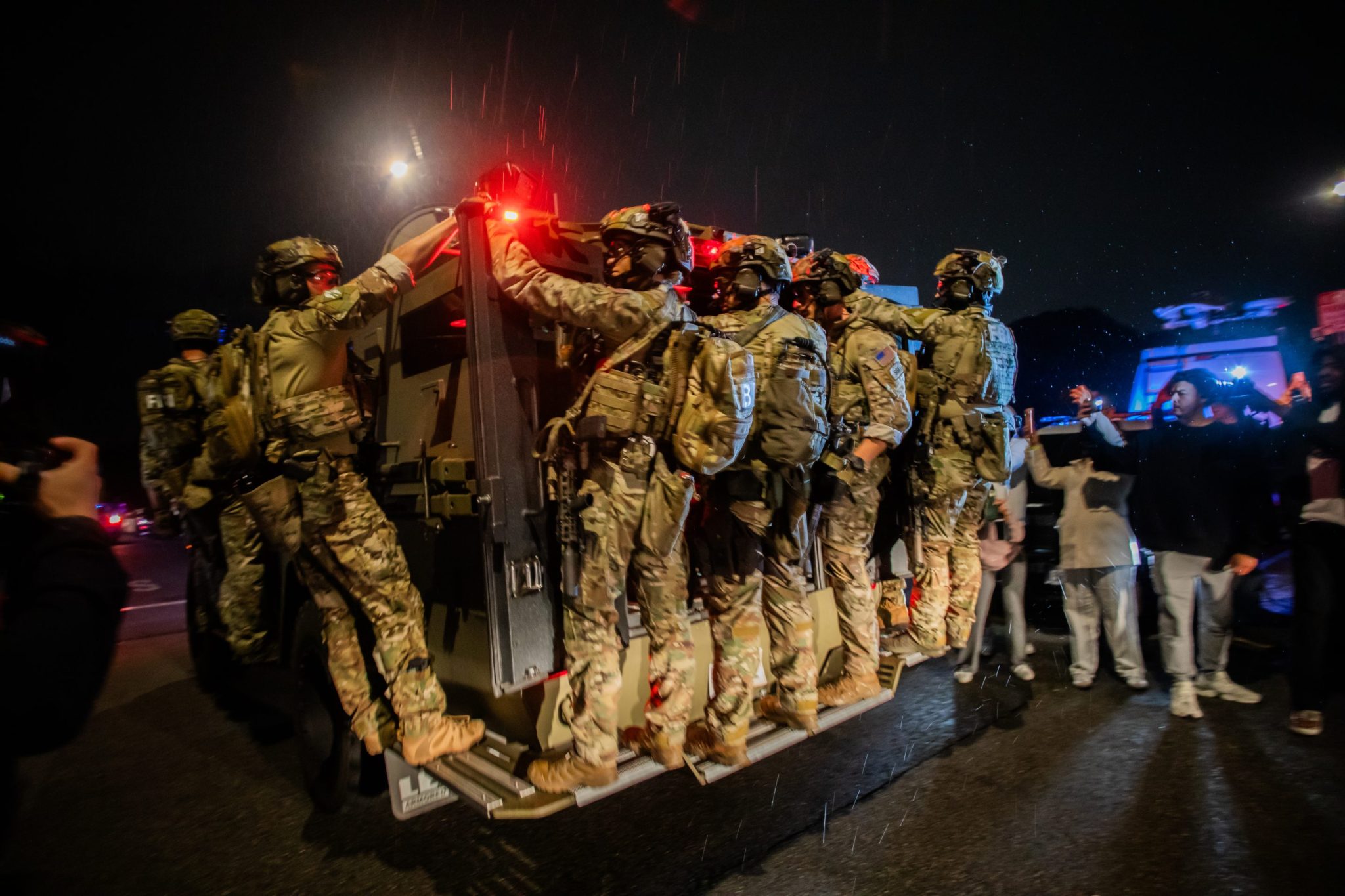
On a Saturday evening, Cole Tomas Allen attempted to enter the building where the White House correspondents’ dinner was being held. This is a high-profile event attended by the President, top government officials, and famous journalists. Security teams stopped Allen outside the ballroom. During the struggle, a Secret Service agent was shot. Fortunately, the agent was wearing a bulletproof vest and is expected to recover fully. None of the guests inside the event were hurt. Investigators later found that Allen had traveled thousands of miles by train to reach the capital with his weapons.
Important Numbers and Facts
The suspect had two specific firearms that were purchased legally in California. One was a Maverick 12-gauge pump-action shotgun, which he bought in August 2025 from a store in Torrance. The other was an Armscor semi-automatic pistol, purchased in October 2023 from a shop in Lawndale. Because these guns were bought years or months before the event, it suggests the suspect had them for a long time. He also carried multiple knives. Unlike air travel, where these items would be flagged immediately, the suspect was able to keep them in his luggage while traveling on a train across state lines.
Background and Context
The difference between airport security and train security is a long-standing issue. Since the terrorist attacks on September 11, 2001, airports have become "hard targets," meaning they are very difficult to attack because of intense screening. Trains and buses are often called "soft targets" because they are designed for easy and quick access. Amtrak, the national railroad service, has its own police force and uses K9 units to sniff for explosives. However, they do not scan every single bag or person. They rely on random checks that usually take less than a minute. Amtrak argues that their system cannot work like an airport because train stations have many open entrances and people need to get on and off quickly at many different stops.
Public or Industry Reaction
Acting Attorney General Todd Blanche spoke about the incident on national television. He praised the police for their quick action but pushed back against the idea of changing laws. He stated that the focus should not be on making gun laws more restrictive or changing how trains operate. Amtrak also released a statement saying they are working with federal investigators. They explained that the security model used by airlines does not easily fit the way rail stations are organized. While some people are calling for metal detectors at every train station, the transportation industry warns that this would make train travel much slower and more expensive for everyone.
What This Means Going Forward
In the coming months, there will likely be more discussions about how to keep public events safe from people traveling with weapons. While the government is not currently pushing for new laws, security agencies may increase the number of random checks on trains. We might see more police officers and security dogs at major train stations like those in Washington, D.C., New York, and Los Angeles. The challenge for officials is finding a way to increase safety without making it too difficult for millions of people to use public transportation every day. For now, the focus will stay on monitoring individuals who might pose a threat rather than changing the rules for all passengers.
Final Take
This incident serves as a reminder of the balance between public safety and personal freedom. While it is frightening that a person could travel across the country with a shotgun and a pistol on a train, the current government stance is to rely on existing law enforcement tactics rather than creating new regulations. The success of the Secret Service in stopping the suspect shows that high-level security can work, but the ease with which the suspect reached his destination suggests that gaps in the travel system still exist. The debate over how to close those gaps without ruining the convenience of train travel is far from over.
Frequently Asked Questions
How did the suspect get the guns onto the train?
The suspect carried the guns in his luggage. Unlike airports, Amtrak does not require every passenger to go through a metal detector or have their bags X-rayed, allowing him to travel without being caught.
Was anyone hurt during the incident?
One Secret Service agent was shot during the struggle to stop the suspect. The agent was wearing a bulletproof vest and survived. No one else at the event was injured.
Will train security change because of this?
The acting Attorney General said there are no immediate plans to change laws or make security more restrictive. Amtrak continues to use random screenings rather than the full screening used at airports.