
Summary
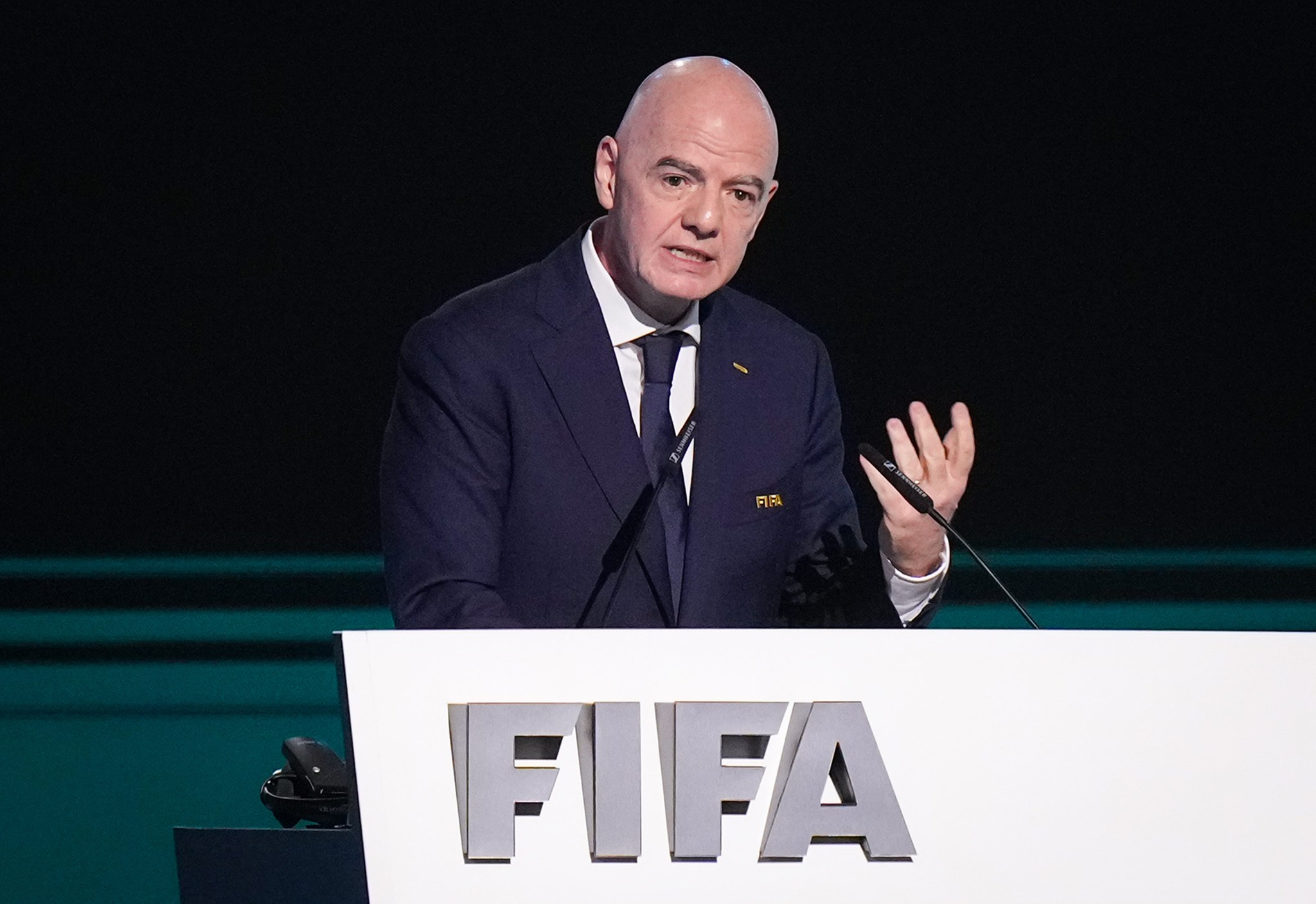
FIFA President Gianni Infantino previously predicted that the 2026 World Cup would see record-breaking demand, comparing it to a thousand years of tournaments happening at once. However, with only about a month left before the opening match on June 11, many tickets are still available for purchase. The main reason for the slow sales appears to be the very high ticket prices, which have left many fans feeling frustrated. While some high-profile matches are sold out, many group-stage games still have seats available at prices that most people find difficult to afford.
Main Impact
The high cost of attending the 2026 World Cup is creating a gap between FIFA’s expectations and the reality for soccer fans. Instead of the immediate sellout that was predicted, the tournament is facing a situation where many seats remain empty on the official sales platform. This pricing strategy has led to a backlash from supporters who feel that the "people's game" is becoming too expensive for the average person. If these tickets do not sell, it could result in empty sections during matches, which would impact the energy and atmosphere of the event.
Key Details
What Happened
Tickets for a large number of World Cup group games are still listed on FIFA’s official website. These are being sold through a "last-minute sales" section. Even though FIFA has released tickets in several stages since last year, the demand has not cleared the inventory. A major factor is the introduction of dynamic pricing. This is a system where ticket prices can change based on how many people want them, similar to how airline tickets or hotel rooms are sold. This is the first time FIFA has used this method for a World Cup.
Important Numbers and Facts
The price range for tickets is wide, but even the lowest prices are high compared to previous tournaments. The most expensive group-stage ticket currently available is for the United States' opening game against Paraguay in Los Angeles, which costs $4,105. Even a lower-category seat for that same match is priced at $1,120. In contrast, the cheapest tickets available for any game are $380. These lower-priced seats are for matches like Curacao against Ivory Coast in Philadelphia or Austria against Jordan.
For fans wanting to see the world's biggest stars, the costs are even higher. Tickets to watch Lionel Messi and the defending champions, Argentina, are priced between $2,475 and $2,925. Watching Brazil play will cost fans at least $2,280. If fans want to attend the semifinals in Atlanta or Dallas, they should expect to pay around $10,000 for a single high-quality seat.
Background and Context
The 2026 World Cup is a massive event being hosted by three countries: the United States, Canada, and Mexico. It is the first time the tournament will include 48 teams, up from the usual 32. This means there are more matches to watch—104 in total. FIFA hoped that the larger format and the return to North America would lead to the biggest financial success in the history of soccer. However, the decision to set such high prices has caused a lot of debate. Many fans believe that FIFA is prioritizing profit over the ability of local fans to attend the games in their own cities.
Public or Industry Reaction
The reaction from soccer fans has been largely negative. Many have used the term "monumental betrayal" to describe the ticket costs. Supporters argue that the World Cup should be accessible to everyone, not just the wealthy. There is also anger regarding the resale market. On FIFA’s own resale platform, some tickets for the final match were listed for as much as $2.3 million. While FIFA does not set these resale prices, they do take a 30% fee from every sale made on their platform. This has led to accusations that the organization is profiting twice from the same seats.
What This Means Going Forward
As the tournament start date gets closer, FIFA may have to decide whether to lower prices or risk having empty seats. While 17 matches are already sold out—mostly those involving Mexico or high-profile matchups like Brazil vs. Morocco—the remaining games need to find buyers. The success of this tournament will be judged not just by the quality of the soccer, but by whether the stadiums are full. The use of dynamic pricing will also be closely watched by other sports organizations to see if it helps or hurts ticket sales in the long run.
Final Take
The 2026 World Cup was promised to be a historic event that would bring the world together. While the scale of the tournament is indeed record-breaking, the high cost of entry is keeping many loyal fans away. FIFA’s prediction of a total sellout has not yet come true, showing that even for the world's most popular sport, there is a limit to what people are willing to pay. The coming weeks will show if the excitement of the game can overcome the high price of the tickets.
Frequently Asked Questions
Why are World Cup tickets so expensive?
FIFA is using a system called dynamic pricing for the first time. This means prices change based on demand. Additionally, the high costs of hosting a 48-team tournament across three countries have likely influenced the ticket prices.
Are there any cheap tickets left?
The cheapest tickets currently available on the official FIFA website are $380. These are for specific group-stage matches involving smaller teams or less popular matchups.
Which games are already sold out?
About 17 matches are sold out, including all of Mexico's group games and high-demand matches like Turkey vs. USA and Brazil vs. Morocco. Tickets for the final are also no longer available through general sale.