
Summary
The recent West Bengal Assembly election results have sparked a major debate about the fairness of the voting process. Data shows that a massive cleanup of voter lists, known as Special Intensive Revision (SIR), may have played a key role in the outcome. In over 100 seats won by the Bharatiya Janata Party (BJP), the number of removed voters was much higher than the margin of victory. This has led experts and judges to question if the removal of these names changed the final result of the election.
Main Impact
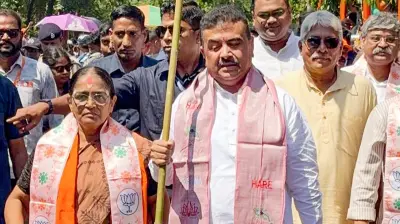
The BJP won a huge victory in West Bengal, ending the 15-year rule of Mamata Banerjee and her party. However, the scale of voter deletions has cast a shadow over this win. In 105 of the seats won by the BJP, the number of people who were stopped from voting was larger than the number of votes the BJP won by. This suggests that if those people had been allowed to vote, the political map of the state might look very different today. The BJP was the only major party that fully supported this voter list cleanup from the beginning.
Key Details
What Happened
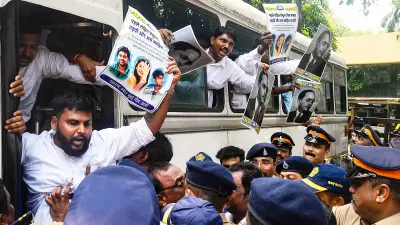
Before the election, officials carried out a process called Special Intensive Revision (SIR). The goal was to update the voter lists by removing names that should not be there. This process lasted for six months and finished just days before people went to the polls. By the time it was done, about 91 lakh (9.1 million) names had been taken off the lists. This removed nearly 12 per cent of all voters in the state. Many people claim they were removed unfairly and have filed legal cases to get their voting rights back.
Important Numbers and Facts
Data analysis from news groups like Scroll and The Wire shows how these deletions affected specific areas. In total, 150 seats across the state saw more deletions than the final victory margin. The BJP won 99 of those seats. Five years ago, the party had won only 19 of those same seats. Here are some specific examples from the election results:
- Bhabanipur: Mamata Banerjee lost this seat by 15,105 votes. However, more than 51,000 voters had been removed from the list in this area.
- Jadavpur: The BJP won by 27,716 votes. In this same area, 56,000 names were deleted.
- Indus: The BJP won by a tiny margin of only 900 votes, while 7,515 voters were removed by the SIR process.
- Jangipur: The BJP won by 10,542 votes. In this constituency, which has a large Muslim population, over 36,000 names were deleted.
- Rajarhat New Town: The victory margin was only 316 votes, but over 63,000 names were removed from the rolls.
Background and Context
Voter lists are supposed to be updated regularly to remove people who have moved or passed away. However, the SIR process in West Bengal was much more intense than usual. It happened very quickly and right before a major election. Critics argue that such a large-scale removal of names can be used to target specific groups of voters who might support the opposition. In this case, the high number of deletions in areas where the BJP won by small margins has raised red flags for election watchers and legal experts.
Public or Industry Reaction
The legal community has expressed deep concern. Justice Joymalya Bagchi of the Supreme Court noted that if the number of people unable to vote is larger than the winning margin, it is a serious matter that requires careful thought. Meanwhile, data experts like Nitin Sethi from the Reporters’ Collective have warned that this sets a "dangerous and deeply worrisome" example for India. They argue that even if it is hard to prove exactly how every deletion changed a vote, the process itself puts the integrity of the entire democratic system at risk.
What This Means Going Forward
The fight is not over for the millions of people who lost their right to vote. About 34 lakh people have filed appeals to have their names put back on the list. However, these cases are handled by special tribunals that move very slowly. Some experts believe it could take up to ten years for all these cases to be decided. This means many citizens might miss several more elections before their voices are heard again. There is also a risk that this method of "cleaning" voter lists could be used in other states, which could change how elections work across the whole country.
Final Take
The election results in West Bengal show a clear shift in power, but the data regarding voter deletions cannot be ignored. When the number of removed voters is ten or twenty times larger than the winning margin, the fairness of the result comes into question. Protecting the right of every citizen to vote is the most important part of a democracy. If the process used to manage voter lists is flawed, it weakens the trust people have in the entire system.
Frequently Asked Questions
What is SIR in the context of the Bengal election?
SIR stands for Special Intensive Revision. It was a process used to update and clean the voter lists in West Bengal by removing names of people who were deemed ineligible to vote.
How many voters were removed from the lists?
About 91 lakh names were deleted from the voter rolls. This represents about 12 per cent of the total number of voters in the state of West Bengal.
Why are people worried about the election results?
People are worried because in many areas, the number of deleted voters was much higher than the margin by which the winner won. This suggests the deletions could have changed who won the seat.