
Summary
Blue Origin launched its New Glenn rocket for the third time on Sunday morning. The mission was a mix of a major technical win and a disappointing setback for the company. While the rocket successfully landed its booster for reuse, the satellite it was carrying did not reach the correct path in space. This launch was a key test for Blue Origin as it tries to prove it can compete with other major space companies.
Main Impact
The primary impact of this mission is the mixed message it sends to the space industry. On one hand, Blue Origin proved it can recycle its hardware by landing a used booster on a ship at sea. This is a difficult task that helps lower the cost of space travel. On the other hand, failing to put a satellite in the right spot is a serious problem. For the customer, AST SpaceMobile, this error could delay their plans to build a global phone network. It also shows that the New Glenn rocket still needs more testing to become a reliable choice for carrying expensive cargo.
Key Details
What Happened
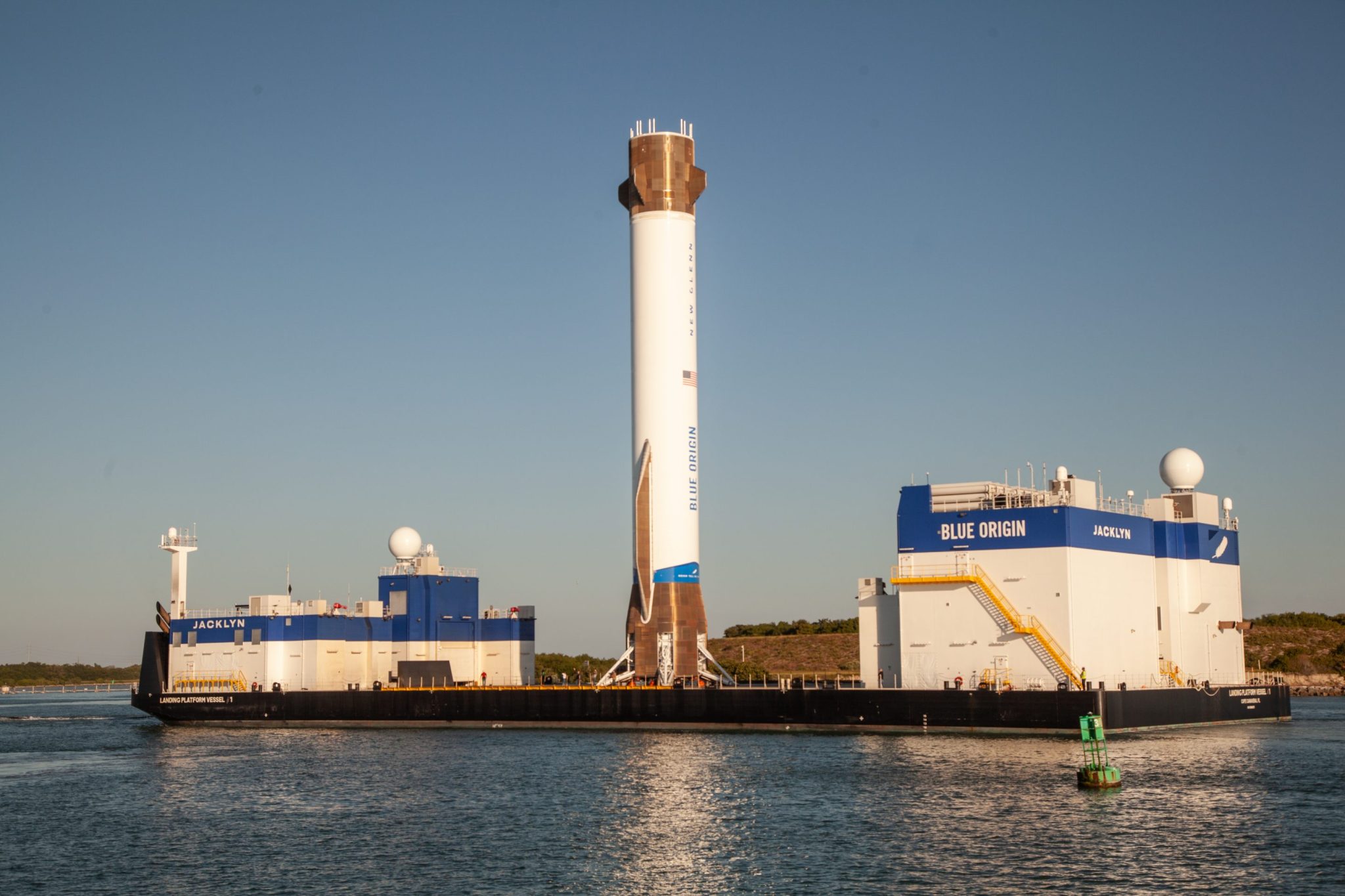
The rocket took off from Cape Canaveral, Florida, at 7:25 a.m. local time. About ten minutes later, the first part of the rocket, known as the booster, returned to Earth. It landed on a floating platform in the Atlantic Ocean. This was a big moment because it was the first time Blue Origin used a booster that had already flown before. However, the second part of the rocket had trouble. While it released the satellite, the craft ended up in what the company called an "off-nominal orbit." This simply means the satellite is in the wrong place in space. Blue Origin is now looking at the data to see what went wrong.
Important Numbers and Facts
This was the third flight for the New Glenn rocket. The satellite on board belonged to AST SpaceMobile, a company based in Texas. AST SpaceMobile has big goals for 2026. They started the year with only seven satellites in space but want to launch as many as 60 by the end of the year. Blue Origin’s CEO, Dave Limp, also has high hopes. He wants to fly the New Glenn rocket eight to 12 times this year. This would be a huge increase from 2025, when the company only completed two launches despite planning for many more.
Background and Context
New Glenn is a very large rocket designed to carry heavy loads. It is named after John Glenn, the first American to orbit the Earth. For several years, the project faced many delays. Blue Origin wants this rocket to be a direct rival to the Falcon 9 rocket made by SpaceX. To be successful, Blue Origin must show that it can launch frequently and safely. The demand for space launches is growing quickly because many companies want to build satellite networks. These networks provide internet and phone service to people in remote areas where traditional cell towers do not work.
Public or Industry Reaction
The space industry is watching Blue Origin closely. Currently, SpaceX does most of the satellite launches in the United States. Many companies want a second option so they do not have to rely on just one provider. Other big companies are also entering the race. For example, Amazon recently agreed to buy a satellite firm called Globalstar. This shows how much money is being spent on space-based internet. While experts were impressed by Blue Origin's ability to land the booster, the orbit error has caused some concern. Customers need to know that their satellites will reach the exact spot they need to function correctly.
What This Means Going Forward
Blue Origin is now focusing more on big missions and less on tourism. In January, the company decided to pause its short space trips for tourists to focus on technology for the moon. They are working with NASA to build a lunar lander called Mark 1. The company believes they have a good chance of landing this craft on the moon later this year. However, the success of these future missions depends on the New Glenn rocket working perfectly. Engineers will spend the coming weeks studying why the satellite ended up in the wrong orbit to make sure it does not happen again.
Final Take
This mission shows that Blue Origin is making progress with its hardware, but precision remains a challenge. Landing a used booster is a great achievement that puts them in an elite group of space companies. However, the main goal of any launch is to deliver the cargo to the right place. Until Blue Origin can do both parts of the mission perfectly, they will still have work to do to catch up to their competitors.
Frequently Asked Questions
What is the New Glenn rocket?
New Glenn is a large, powerful rocket built by Blue Origin. It is designed to carry heavy satellites and cargo into space and is built to be used multiple times to save money.
What went wrong with the satellite?
The rocket successfully reached space, but it released the satellite into the wrong orbit. This means the satellite is not in the specific path it needs to be in to do its job correctly.
Is the satellite still working?
Yes, Blue Origin reported that the satellite has powered on. The company and the satellite owner are currently checking its systems to see if it can still be used.