

The Bombay High Court has made it clear that access to clean and potable water is a fundamental right. The court observed that the government has a constitutional obligation to ensure water availability to all citizens, while expressing concern over the worsening water scarcity in Maharashtra.
Court's Strong Message on Water as a Fundamental Right
A bench of Justices A.S. Gadkari and Kamal Khata made the remarks while hearing a batch of petitions concerning deaths of infants, pregnant women, and lactating mothers linked to malnutrition in the tribal Melghat region of Amravati district in Vidarbha. According to The Telegraph India, the court sought to know from the state government when the issue would be resolved and what concrete measures were being taken to address it.
Water Scarcity Crisis in Maharashtra's Tribal Regions
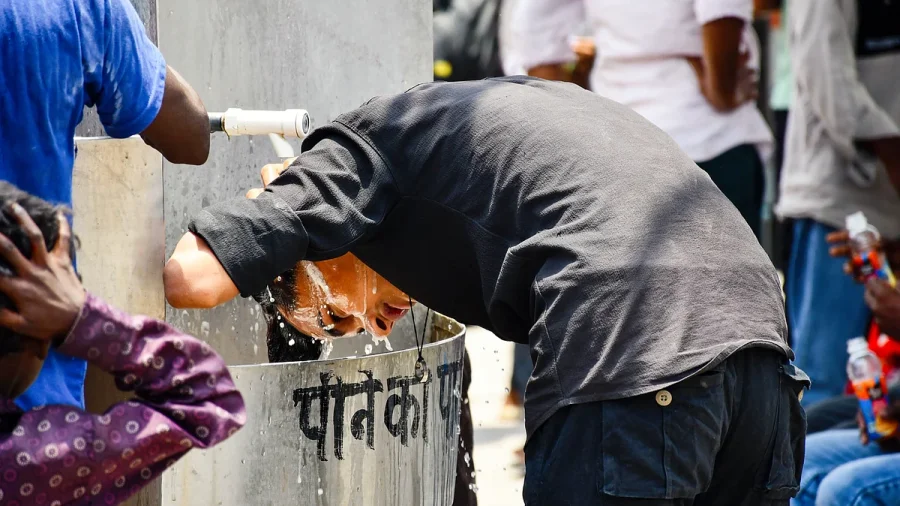
During the hearing, the bench was informed that the Melghat region has been grappling with an acute shortage of clean drinking water. The court's concern comes as the region faces severe water scarcity, which has been linked to malnutrition-related deaths among vulnerable populations.
"Access to clean and potable water is a fundamental right and the government has a constitutional obligation to ensure its availability to all citizens." — Bombay High Court
Government's Constitutional Duty Under Scrutiny
The court's observation puts the spotlight on the state government's responsibility to provide clean water to all citizens. As reported by Verdicto News, the Bombay High Court pulled up the Maharashtra government over the water scarcity crisis, emphasizing that access to clean water is a fundamental right.
The court's remarks come as a significant judicial intervention, highlighting the ongoing water crisis in parts of Maharashtra. The bench's questions to the state government indicate the court's expectation of concrete action rather than just promises.
Our Take: A Necessary Judicial Reminder
In our view, the Bombay High Court's ruling is a timely and necessary reminder of the government's fundamental duty. When a basic necessity like clean water requires court intervention, it signals a failure in governance. The fact that the court had to hear petitions about malnutrition deaths linked to water scarcity in Melghat shows how deep the crisis runs. The state government must now move beyond statements and deliver a clear, time-bound action plan. Clean water is not a privilege — it is a right, and the court has made that legally unambiguous.