
Summary
In 2025, the United States saw a major jump in the amount of electricity it used. A new report shows that half of all this new power demand came from just one source: data centers. These large buildings house the computer systems needed to run and train artificial intelligence. While tech companies are spending billions to build them, many people living near these sites are starting to push back. Concerns over rising electricity bills and environmental damage have turned public opinion against the very infrastructure that makes modern AI possible.
Main Impact
The massive growth in data center power use is changing how the U.S. manages its energy. Last year, the country’s total energy demand grew by 2%. While that might sound small, data centers were responsible for 50% of that increase. This is much higher than the energy growth seen in homes, factories, or transportation. This sudden need for power is putting a heavy load on an aging electrical grid. As a result, many utility companies are raising prices for regular customers to pay for upgrades and new power sources. This has created a direct link in the public's mind between the growth of AI and the rising cost of living.
Key Details
What Happened
According to the International Energy Agency (IEA), 2025 was one of the busiest years for energy growth in decades. Tech companies are in a race to build the servers needed for AI models like ChatGPT. These servers require a constant flow of electricity and large amounts of water to keep them from overheating. While the U.S. is the center of this boom, the speed of construction has caught many local governments by surprise. The IEA expects that data centers will continue to make up half of all new U.S. power demand through the year 2030.
Important Numbers and Facts
The scale of money and power involved is massive. In 2025, companies invested over $61 billion globally into data centers. The U.S. and Canada accounted for $47 billion of that total. However, this spending has met significant roadblocks. Last year alone, local opposition managed to stop or delay 16 different data center projects. These stalled projects were worth about $64 billion. On the consumer side, electricity bills have jumped 40% since 2021. In 2025, utility companies asked for more than $30 billion in rate increases, affecting roughly 81 million Americans.
Background and Context
To understand why this is happening, it helps to know what a data center does. Think of it as a giant warehouse filled with thousands of powerful computers. These computers work 24 hours a day to process data. Because they run constantly, they get very hot and use as much power as a small city. The U.S. has become the primary location for these facilities because of its strong tech industry. However, the U.S. power grid was built many years ago and was not designed for this much extra work. Even before the AI boom, the grid needed expensive repairs. Now, the added pressure from data centers is making those repairs more urgent and more expensive for everyone.
Public or Industry Reaction
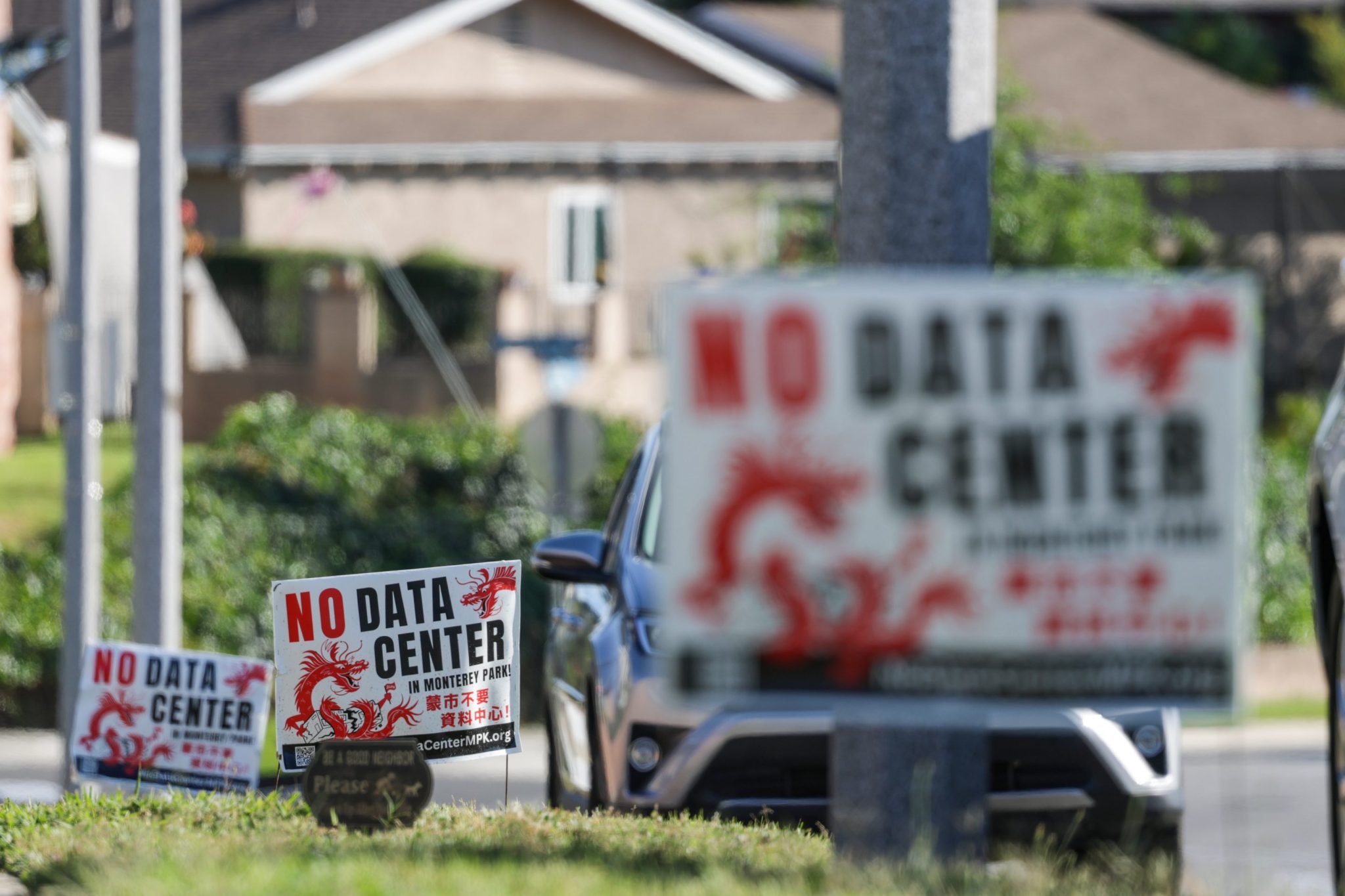
Public feeling toward data centers has shifted from curiosity to anger. Many communities now see these buildings as bad neighbors that use too much water and drive up local taxes. In Maine, lawmakers recently moved to stop new data center construction across the entire state. Other states are considering similar laws to give local people more power to say "no" to these projects. Even in Washington D.C., members of Congress are proposing stricter rules for how and where these facilities can be built. The anger has even turned into violence in some cases, showing how deep the resentment toward the tech industry has grown.
What This Means Going Forward
The tech industry is facing a difficult future. While companies want to keep expanding AI, they are running out of places that have enough electricity to support them. If more states follow Maine’s lead and pass bans, the growth of AI could slow down significantly. Tech giants may have to look for new ways to power their servers, such as building their own private power plants or using more renewable energy. For the average person, the focus will likely remain on monthly bills. If electricity prices continue to climb, the political pressure to limit data centers will only get stronger.
Final Take
The struggle over data centers shows a clear conflict between the digital world and the physical world. While AI offers many new tools, it requires a massive amount of real-world resources like land, water, and power. As long as these facilities continue to drive up energy costs for families, the tech industry will likely face a long and difficult fight with the public.
Frequently Asked Questions
Why do data centers use so much electricity?
Data centers house thousands of computers that run all day and night. These machines use power to process information and even more power for cooling systems to prevent them from melting or breaking down.
How do data centers affect my electric bill?
When data centers move into an area, the local power grid often needs expensive upgrades to handle the load. Utility companies often pass these costs on to all customers, leading to higher monthly rates for homes and small businesses.
Are states allowed to stop data centers from being built?
Yes, state and local governments can use zoning laws or environmental rules to block construction. Some states, like Maine, are even passing specific laws called moratoriums to temporarily stop all new data center projects.