
Summary
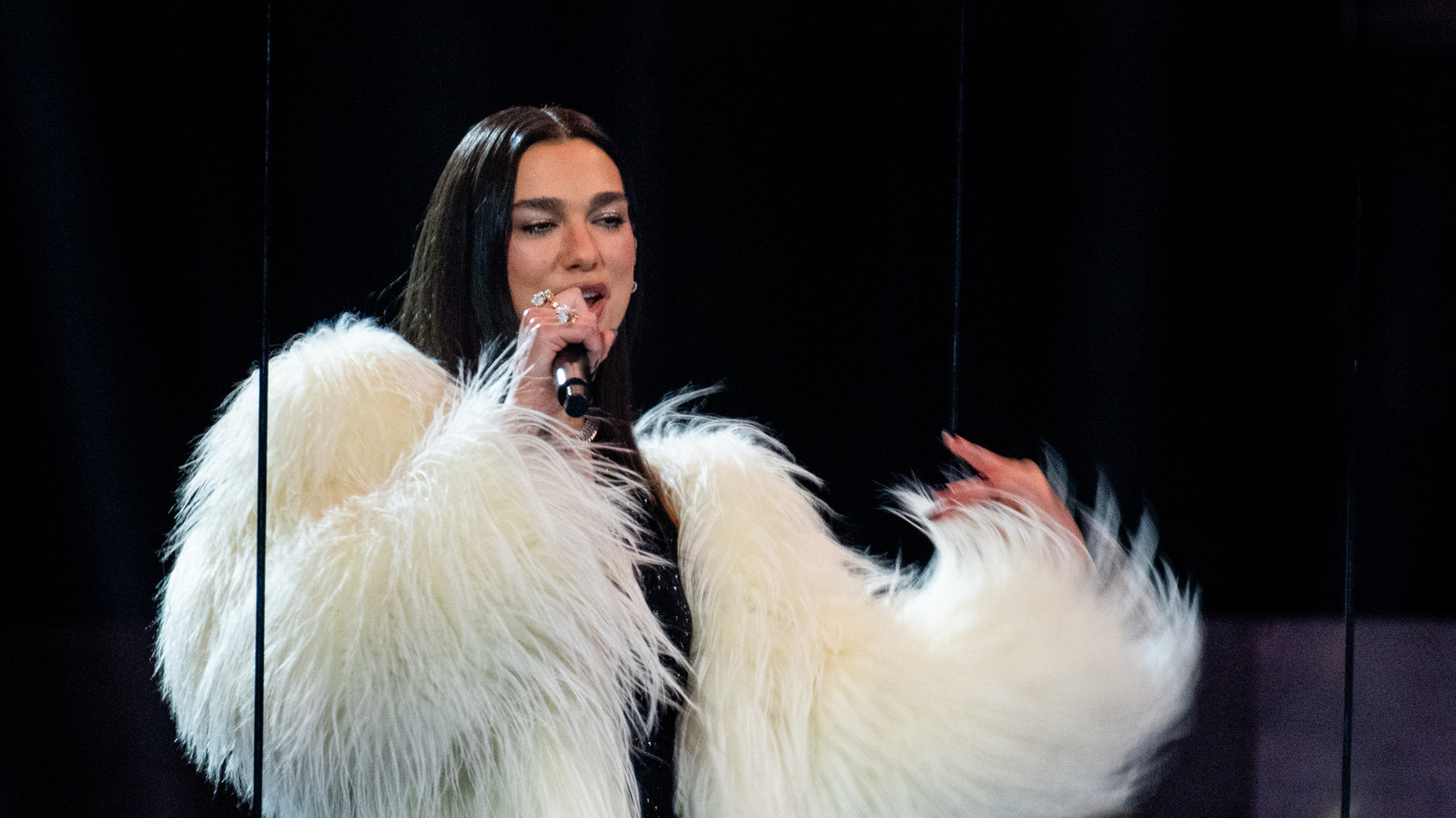
Famous pop singer Dua Lipa has filed a lawsuit against the technology company Samsung. She is seeking $15 million in damages because she claims the company used her image and identity without her permission. The singer says Samsung used her likeness to help sell their televisions in a way that was not authorized. This legal move highlights the growing tension between global stars and large corporations over how personal brands are used in advertising.
Main Impact
This lawsuit is a major event in the world of celebrity marketing and technology. It shows that even the biggest companies in the world can face serious legal trouble if they do not follow the rules for using a person's image. For Dua Lipa, the case is about controlling her own brand and making sure she is paid fairly for her work. For the tech industry, it serves as a warning that using famous faces in "lifestyle" ads or store displays requires clear and legal contracts.
Key Details
What Happened
Dua Lipa’s legal team claims that Samsung used her "likeness" to promote their TV products. In the world of law, a likeness refers to a person’s face, name, or even their specific style. The singer says she never signed a contract or gave permission for Samsung to use her for these specific advertisements. Usually, a star of her fame would be paid a very high fee for such a deal. By using her image without a contract, the singer argues that Samsung took advantage of her fame to make their products look more popular and modern.
Important Numbers and Facts
The amount being asked for in the lawsuit is $15 million. This number is not random; it is based on the high value of Dua Lipa’s brand. She is one of the most successful music artists in the world, with billions of streams and many awards. Her lawyers argue that a global campaign using her face would normally cost millions of dollars. The lawsuit aims to recover the money she would have earned from a proper deal, as well as extra money to punish the unauthorized use of her identity.
Background and Context
Celebrities make a large portion of their money through "endorsements." This is when a company pays a famous person to show off their products. These deals are very strict and explain exactly where a photo can be used, for how long, and in which countries. When a company skips this step, it is often called an "unauthorized use of likeness." In the past, other stars like Ariana Grande and Scarlett Johansson have taken legal action against companies for similar reasons. As social media and digital ads become more common, it is easier for companies to accidentally or intentionally use photos they do not own the rights to.
Public or Industry Reaction
The music and advertising industries are watching this case very closely. Many experts believe that this will lead to big changes in how marketing teams handle celebrity photos. Fans of the singer have shown support online, saying that artists should have the final say in which products they are linked to. Samsung has not yet released a full statement regarding the specific details of the lawsuit, but they will likely have to explain how the images ended up in their marketing materials. Some industry insiders suggest that the mistake might have come from an outside advertising agency, but Samsung remains the party being sued.
What This Means Going Forward
If Dua Lipa wins this case, it could set a new standard for how much companies have to pay when they use a star's image without permission. It will likely make tech companies much more careful about the images they use in their stores and on their websites. We might see more stars checking old contracts to see if their images are being used in ways they did not agree to. This case also reminds everyone that a person's face and name are their own property, and they have the right to decide how those things are used to make money.
Final Take
This legal battle is about more than just a large sum of money. It is a fight over who owns a person's identity in the digital age. As companies look for new ways to connect with young shoppers, the line between a fan photo and a paid advertisement can sometimes get blurry. This lawsuit brings that line back into focus and shows that even the most powerful companies must respect the rights of the individuals they use to sell their products.
Frequently Asked Questions
Why is Dua Lipa suing Samsung?
She is suing because she claims Samsung used her image and identity to sell televisions without her permission or a legal contract.
How much money is the singer asking for?
Dua Lipa is asking for $15 million in damages to cover the cost of what a normal advertising deal would have been worth.
What does "likeness" mean in this case?
Likeness refers to a person's physical appearance, name, or personality traits that make them recognizable to the public for commercial use.