
Summary
Police in the Gadchiroli district of Maharashtra have filed a legal case against five tribal youths. The action follows a viral video showing people dancing to a song that praises a dead Maoist commander named Madvi Hidma. The incident took place during a wedding ceremony in a small village. This case is significant because the government recently labeled this area as being free from Maoist influence.
Main Impact
This legal move highlights the high level of tension between the government and tribal communities in central India. By booking the youths for dancing to a specific song, the police are sending a strong message that they will not tolerate any symbols or music linked to Maoist rebels. However, this approach also risks making local people feel targeted during their private celebrations. It shows that even though the government says the region is safe, they are still very worried about the spread of rebel ideas through music and social media.
Key Details
What Happened
The event happened on the night of May 6 at a wedding in Krishnar village. The celebration was held at the home of a local man named Sandeep Hichami. During the party, a DJ system was playing music for the guests. Late that night, around 11:45 pm, a police patrol team arrived at the village. They told the organizers to turn off the music because it was past the allowed time limit for loud noise.
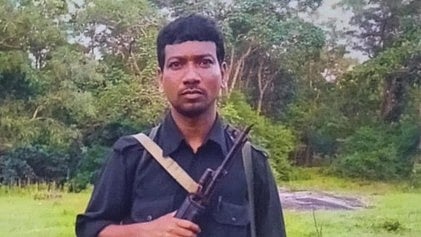
The next day, a police officer saw a video on social media. The video showed about 40 to 50 young people dancing to a song that mentioned Madvi Hidma. Hidma was a well-known leader of the Maoist rebels who was killed in the past. After seeing the video, the police started an investigation. They questioned the homeowner and the people running the DJ equipment to find out who chose the song.
Important Numbers and Facts
The police have officially named five people in the First Information Report (FIR). These individuals are Shankar Hichami, Baburao Kando, Chaitu Telami, Aryan Hichami, and Sharad Kando. They are being charged under the Bharatiya Nyaya Sanhita and the Mumbai Police Act. The investigation is being led by a female officer, Pratiksha Wanve, under the guidance of senior police leaders. This is the first time such a case has been filed in Gadchiroli since the district was declared "Naxal-free."
Background and Context
Gadchiroli has been a center of Maoist activity for many decades. Maoists are armed groups that fight against the government, often claiming to represent the rights of tribal people. In recent years, the government has worked hard to remove these groups from the area. Just a short time ago, officials announced that the district was finally free of these rebels. This claim is important because the state wants to start massive business projects in the region.
The government plans to spend about 50,000 crore rupees on new steel plants and mining projects in Gadchiroli. For these big projects to work, the area needs to be peaceful and safe. However, many tribal people worry that these industrial projects will take away their land and change their way of life. This creates a complicated situation where the police are extra careful about any signs of support for the old rebel groups.
Public or Industry Reaction
The reaction to this case has been mixed. Some people believe the police are right to stop any praise for violent groups. They feel that allowing such songs could encourage young people to join the rebels. On the other hand, some community leaders and activists feel the police are overreacting. They argue that dancing at a wedding is a personal choice and that the police should not be monitoring private social events so closely.
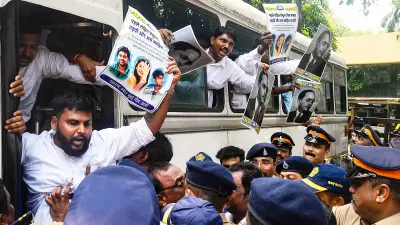
This is not the first time this has happened recently. In April, two other tribal students were charged in Pune for dancing to a similar song. These repeated cases have started a debate about whether the government is using the law to control tribal culture and identity. Some feel that the "Naxal-free" label is being used as an excuse to increase police control over the local population.
What This Means Going Forward
In the coming months, we may see more police presence at local festivals and weddings in tribal areas. The authorities are likely to keep a close watch on social media to find similar videos. This could lead to more legal cases and higher tension in the villages. For the five youths who were booked, they now face a long legal process that could affect their future jobs and education.
The government will also have to balance its security goals with the need to win the trust of the tribal people. If the local community feels that their culture is being attacked, it might make it harder for the government to move forward with its big mining and steel projects. The way this case is handled will show how the state intends to manage the region in the future.
Final Take
The arrest of these five youths shows that the shadow of the Maoist conflict still hangs over Gadchiroli. While the government wants to move toward industrial growth and peace, the deep-rooted issues of tribal identity and local history remain. Using police power to control music at a wedding is a move that may provide temporary security but could also cause long-term resentment among the people the state is trying to integrate.
Frequently Asked Questions
Why were the youths booked by the police?
They were booked because they allegedly played and danced to a song that praised a dead Maoist commander. The police believe this music promotes illegal groups and could cause trouble in the area.
Who was Madvi Hidma?
Madvi Hidma was a high-ranking leader of the Maoist rebels. He was involved in many attacks against security forces before he was killed. Songs about him are often seen by the police as support for the rebellion.
Is Gadchiroli still considered a dangerous area?
The government recently declared the district "Naxal-free," meaning they believe the rebel groups have been removed. However, the police still maintain high security because they worry that some rebel influence remains among the local people.