

Summary
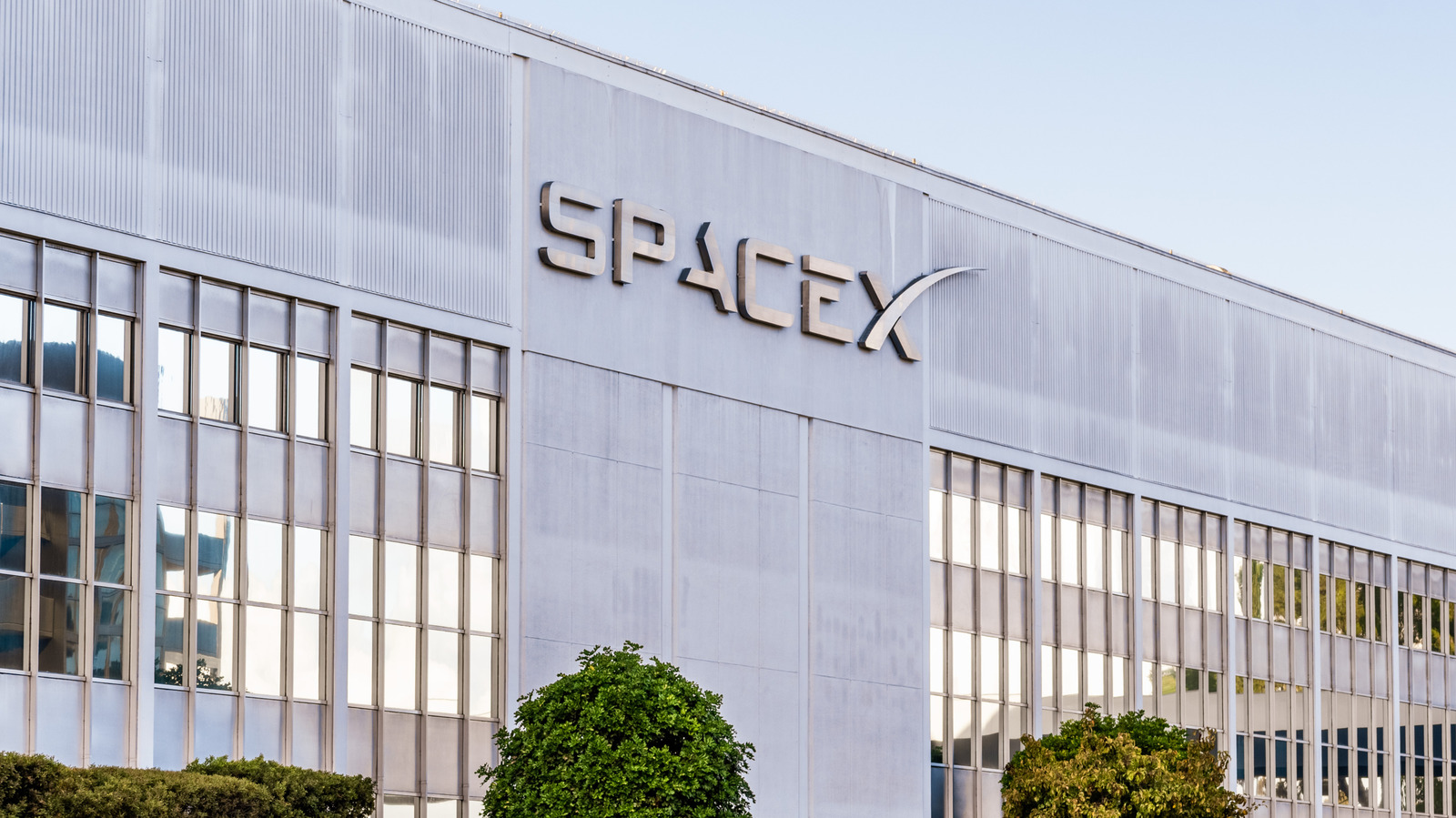
Google is reportedly in talks with SpaceX to explore the possibility of building data centers in space. This ambitious project aims to place powerful computer servers into Earth's orbit to handle the growing demand for data processing. The two companies have been looking into this idea since the end of 2025. If successful, this partnership could change how the world stores and moves information by using the unique environment of space.
Main Impact
The biggest impact of this move is the potential to solve energy and cooling problems on Earth. Data centers on the ground use a massive amount of electricity and billions of gallons of water to stay cool. By moving these systems into orbit, Google could take advantage of the naturally cold temperatures of space and the constant supply of solar energy. This would reduce the pressure on local power grids and help the company meet its environmental goals while supporting the rapid growth of artificial intelligence.
Key Details
What Happened
Reports indicate that Google is looking for ways to move its digital infrastructure off the planet. The company is talking to SpaceX because Elon Musk’s space firm has the rockets needed to carry heavy equipment into orbit. SpaceX also operates Starlink, a large network of satellites that provides high-speed internet. By combining Google’s computing power with SpaceX’s transport and communication tools, the two companies hope to create a new type of "orbital cloud" service.
Important Numbers and Facts
The project began to take shape in late 2025 as Google looked for ways to support its AI services. Traditional data centers can consume as much power as a small city. In contrast, a space-based data center would have access to sunlight 24 hours a day to power its systems. While the exact number of satellites planned is not yet public, the project would likely require SpaceX’s Starship rocket, which is designed to carry over 100 tons of cargo into space at a lower cost than older rockets.
Background and Context
For years, tech companies have struggled with the physical limits of building on Earth. Data centers require a lot of land, huge amounts of power, and constant cooling to prevent servers from melting. As more people use AI tools like chatbots and image generators, the need for computing power has skyrocketed. Google is not the first to think outside the box; other companies have tried putting data centers underwater to save on cooling costs. However, moving to space is the most extreme solution yet. It offers a way to bypass local laws, land shortages, and the rising cost of electricity on the ground.
Public or Industry Reaction
Experts in the tech industry are watching this development closely. Some believe it is a smart move to handle the AI boom, while others are worried about the risks. Critics point out that space is a dangerous place for sensitive electronics. Radiation from the sun can damage computer chips, and there is a growing problem with space junk hitting satellites. However, many investors are excited about the partnership. They see it as a way for Google to stay ahead of competitors like Microsoft and Amazon, who are also building their own massive satellite networks.
What This Means Going Forward
If Google and SpaceX move forward, the next few years will involve testing how servers handle the harsh conditions of orbit. We might see small "test" data centers launched first to see if they can communicate quickly with Earth. The success of this project depends on making the hardware tough enough to survive radiation and ensuring that the data can travel back to users without a long delay. If it works, it could lead to a future where the internet lives in the stars, making it accessible from even the most remote parts of the world without the need for miles of underground cables.
Final Take
The idea of putting data centers in space sounds like science fiction, but it is becoming a practical necessity for big tech companies. As our hunger for data and AI grows, Earth may simply run out of the space and energy needed to keep up. Working with SpaceX gives Google a major advantage in the race to build the next generation of the internet. While there are many technical hurdles to clear, this partnership shows that the future of technology is no longer tied to the ground.
Frequently Asked Questions
Why would Google want to put data centers in space?
Space provides a cold environment for cooling servers and constant solar energy for power. It also helps Google avoid using limited land and water resources on Earth.
How will the data get back to Earth?
The data centers would likely use high-speed laser links or radio waves to send information to ground stations or other satellites, similar to how the Starlink internet system works today.
Is it safe to have computers in orbit?
There are risks, such as radiation damage and collisions with space debris. Google and SpaceX will need to build special shielding and use smart tracking to keep the hardware safe from these threats.