
The phrase has become strangely familiar. For years, Indian and American officials have repeatedly declared that a bilateral trade agreement is "very, very close". Similar expressions — "almost finalised", "99 per cent complete", or "imminent" — have surfaced at regular intervals, creating an impression that the long-awaited Indo-US trade pact is always just around the corner.
Ahead of Prime Minister Narendra Modi's visit to Houston for the 'Howdy Modi' event in 2019, officials suggested that a breakthrough was imminent. Again, in February, both Washington and New Delhi announced a framework for an interim trade agreement. Today, the same language has returned. High-level negotiations in New Delhi have entered what officials describe as a decisive phase, with both sides projecting optimism.
Why Farmers Are Skeptical
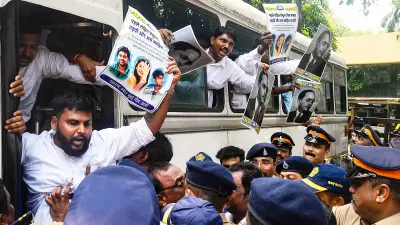
But behind the diplomatic smiles, a deep distrust remains — especially among India's farmers. According to NPR, many farmers don't trust the government. Street protests erupted in November, and the demonstrators see the new laws as the first step toward opening India's agriculture sector to American farmers.
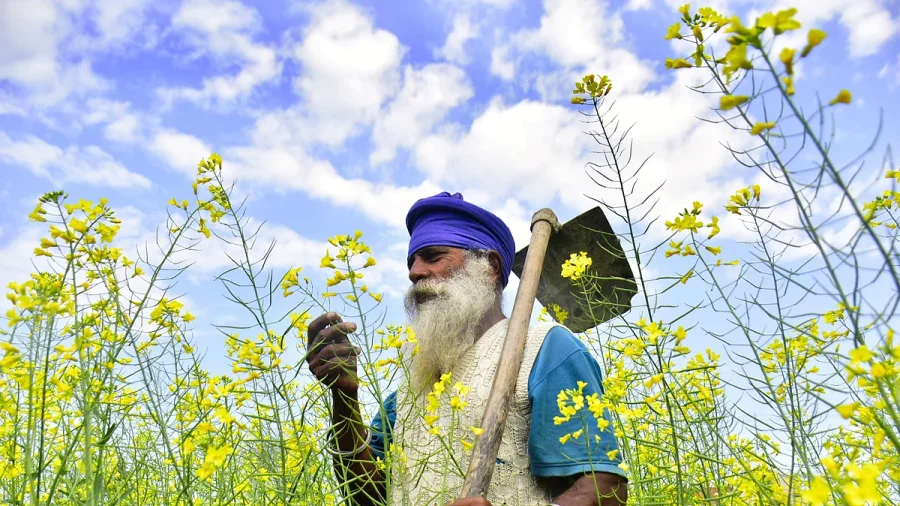
This fear is not new. For decades, Indian farmers have relied on government support — minimum support prices, subsidies, and protection from foreign competition. Any trade deal that reduces these protections is seen as a direct threat to their livelihoods. The repeated claims that a deal is "close" only heighten their anxiety, as they feel decisions are being made behind closed doors without their input.
What the Government Says
India's commerce minister has tried to calm these fears. According to a statement reported by various outlets, the minister clarified that the recently agreed trade deal with the US will "safeguard" farmers. The government insists that the deal will not harm Indian agriculture and that farmers' interests will be protected.
But for many farmers, these assurances ring hollow. They point to past experiences where government promises were not kept, and they see the trade deal as part of a larger pattern — one where corporate interests are prioritized over the rural economy.
The Social Media Narrative
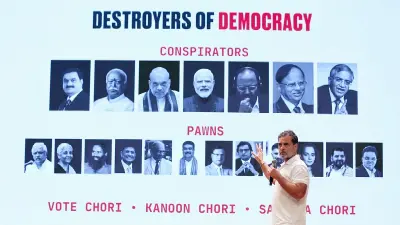
On social media, the narrative is even more direct. According to a viral Instagram post, some claim that "for the first time in India's history, Narendra Modi opened the agriculture sector for American farmers. American farmers will be able to sell..." This kind of messaging — whether accurate or exaggerated — fuels the distrust. It paints the trade deal not as a diplomatic achievement, but as a sellout of India's farming community.
Our Take: A Crisis of Trust
To put it plainly, the real issue here is not the trade deal itself — it is the trust deficit. The government has cried wolf too many times. Every time officials say a deal is "99 per cent complete", farmers hear: "We are about to sell you out."
In our view, the government needs to do more than just issue statements. It needs to engage directly with farmer unions, explain the exact terms of the deal, and provide concrete guarantees that protections will remain in place. Without that, no amount of diplomatic optimism will convince the people who grow India's food.
The deal may indeed be "very, very close" — but so is a crisis of confidence. And that is a far harder negotiation to win.