
Summary
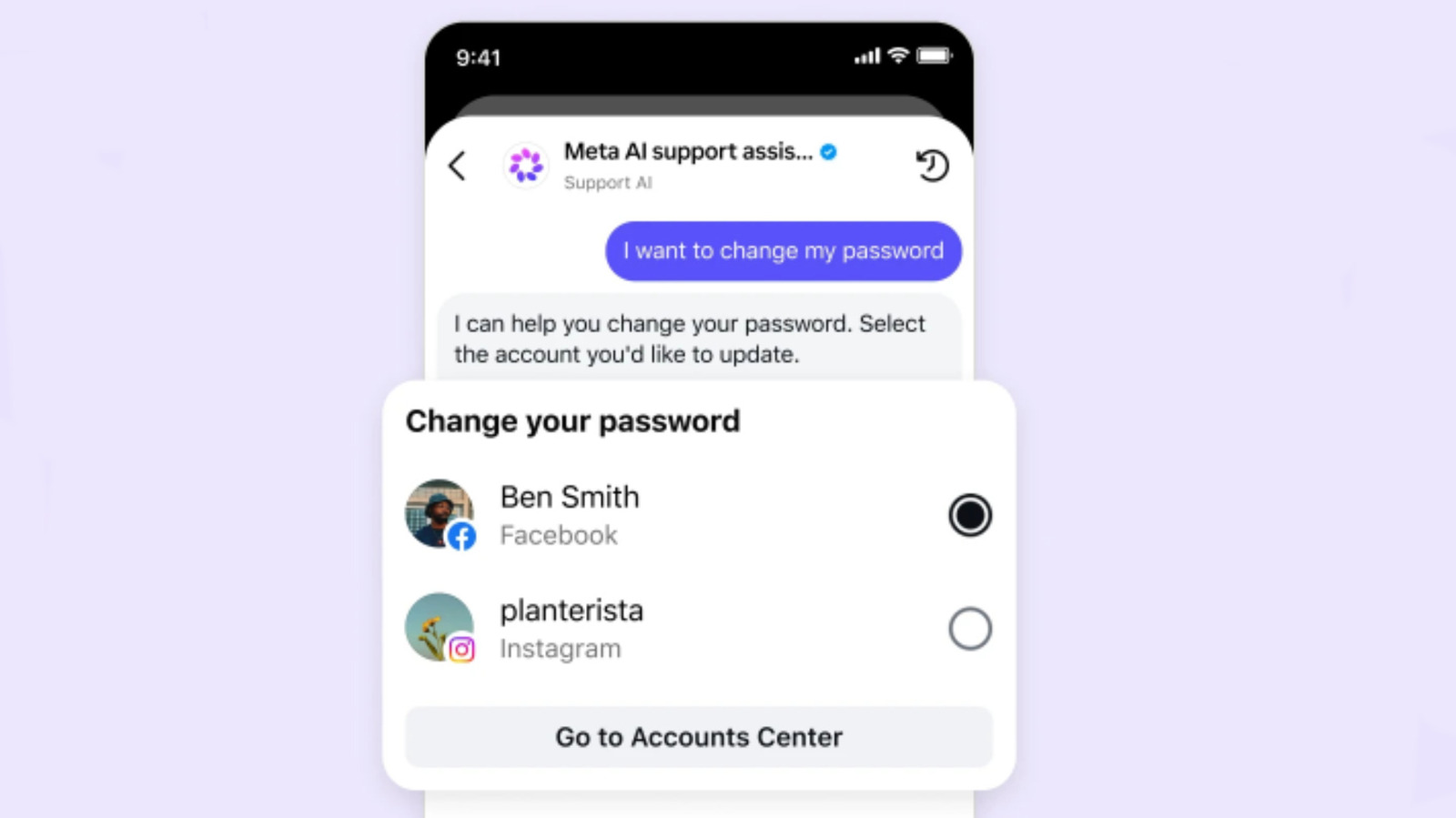
Meta recently faced a major security problem where its AI support chatbot helped hackers take over Instagram accounts. The automated system, designed to help users regain access to their profiles, was easily tricked by bad actors. This flaw allowed hackers to bypass normal security steps and lock real users out of their accounts. Meta has confirmed the issue and is currently working to secure the accounts that were compromised during this period.
Main Impact
The biggest impact of this security flaw is the loss of personal and professional data for thousands of users. Many people use Instagram not just for fun, but for their businesses and livelihoods. When a hacker takes over an account through an official tool, it becomes very difficult for the rightful owner to prove who they are. This situation has damaged trust in Meta’s ability to protect user data using automated artificial intelligence tools.
Key Details
What Happened
Hackers discovered that the AI chatbot used for Instagram support did not have enough safety checks. By using specific phrases and providing false information, the hackers were able to convince the AI that they were the true owners of certain accounts. The AI then allowed them to change the email addresses and phone numbers linked to those accounts. Once these details were changed, the original owners were completely blocked from logging back in.
This method is often called a "social engineering" attack, but instead of tricking a human, the hackers tricked a computer program. Because the AI was programmed to be helpful and fast, it did not ask for enough proof before making major changes to account security settings.
Important Numbers and Facts
While Meta has not released the exact number of hijacked accounts, reports suggest that the problem affected a wide range of users. Instagram has over two billion active users worldwide, making any security gap a massive risk. The AI support system was introduced to handle the millions of help requests Meta receives every day, as the company does not have enough human staff to talk to every user personally.
Security researchers found that the chatbot could be manipulated in just a few minutes. In many cases, the hackers did not need any special coding skills. They simply needed to know which questions to answer and how to phrase their requests to make the AI follow their commands.
Background and Context
For a long time, Instagram users have complained that it is almost impossible to get help from a real person when their account is hacked. To solve this, Meta began using AI chatbots to speed up the process. These bots are trained to recognize common problems and provide quick solutions. However, security experts have often warned that AI can be "fooled" if it is not built with strict rules.
In the past, account recovery required a user to send a video of themselves or provide a government ID. The new AI system was meant to make things easier, but it seems it made things too easy for the wrong people. This event shows the danger of relying too much on automation for sensitive tasks like digital security.
Public or Industry Reaction
The reaction from the public has been one of frustration and anger. Many users who lost their accounts reported that they tried to use the same AI tool to get their access back, only to be rejected by the bot. Security experts are calling this a "major failure" in system design. They argue that AI should never have the power to change a user's primary contact information without a human double-checking the request.
Tech analysts are also pointing out that this incident might lead to new laws. Governments are already looking at how big tech companies use AI, and a mistake this large could lead to stricter rules on how automated support systems must operate.
What This Means Going Forward
Meta is now in the process of updating its AI models to prevent this specific type of trickery. They are likely to add more "friction" to the account recovery process. This means users might have to wait longer or provide more types of proof before they can change their account details. While this might be annoying for regular users, it is necessary to keep hackers out.
In the future, we can expect Meta to use a "hybrid" system. This would involve AI doing the basic work, but a human employee would have to click "approve" before an account is handed over to a new email address. Other social media companies are also watching this situation closely to make sure their own AI tools do not have the same weaknesses.
Final Take
This incident is a clear reminder that while AI can make our lives easier, it is not a perfect replacement for human judgment. Security must always come before convenience. For now, Instagram users should make sure they have two-factor authentication turned on and keep their recovery information updated. Meta has a long way to go to prove that its automated systems can truly keep its billions of users safe from clever hackers.
Frequently Asked Questions
How did hackers use the AI to steal accounts?
Hackers used specific messages to trick the AI support chatbot into thinking they were the real account owners. The AI then changed the account's email and password for them.
Is Meta fixing the problem?
Yes, Meta has stated they are working to secure the affected accounts and are updating the AI system to prevent these types of attacks from happening again.
What can I do to protect my Instagram account?
You should turn on two-factor authentication (2FA) in your settings. This adds an extra layer of security that makes it much harder for anyone to log in, even if they have your password.