

Summary
Iran’s leadership is showing signs of deep internal conflict following the death of Supreme Leader Ali Khamenei. Over the last 24 hours, the Iranian government gave conflicting reports about whether the Strait of Hormuz was open or closed to ships. While some officials suggested the waterway was open for trade, the military quickly stepped in to say it remained shut. This confusion shows a growing power struggle between Iran’s diplomats and its powerful military group, the Islamic Revolutionary Guard Corps (IRGC).
Main Impact
The main impact of this situation is the total uncertainty surrounding global oil shipments and international security. The Strait of Hormuz is one of the most important paths for oil in the world. When Iran gives mixed signals about closing it, global stock markets and oil prices react wildly. Furthermore, the public disagreement between Iranian leaders suggests that the country no longer has a single person in charge to make final decisions. This makes it much harder for the United States or other countries to negotiate a peace deal or a ceasefire.
Key Details
What Happened
The confusion began early Friday when Iran’s Foreign Minister, Abbas Araghchi, claimed the strait was completely open to ships following the correct routes. Even U.S. President Donald Trump shared this news, which led to a quick rise in the stock market. However, the IRGC soon corrected this statement. They insisted they were still in control of the waterway and that it was not open. This public disagreement is very rare for Iran and shows that the military is now willing to openly challenge the government’s top diplomats.
Important Numbers and Facts
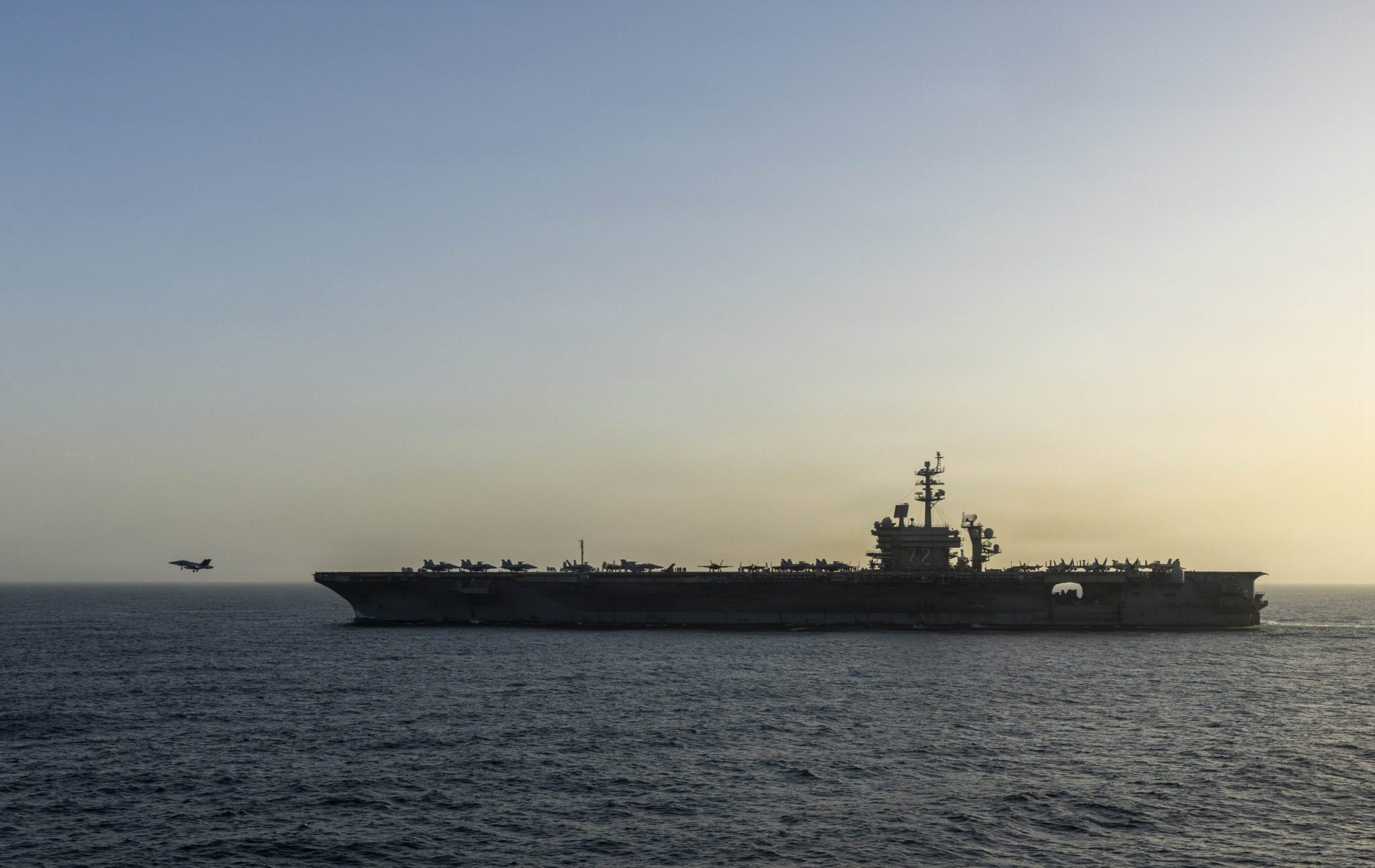
The conflict between the U.S., Israel, and Iran took a major turn in late February when a war began. During this time, Supreme Leader Ali Khamenei and other top officials were killed. Since then, the IRGC has become much more aggressive. On the economic side, the U.S. Navy has been very active. At least five oil tankers linked to Iran had to change their path recently because of the U.S. blockade. Additionally, U.S. forces are working to remove underwater mines from the Gulf to keep the area safe for their own ships.
Background and Context
The Strait of Hormuz is a narrow stretch of water that connects the Persian Gulf to the rest of the world’s oceans. A huge portion of the world's oil passes through this point every day. For Iran, controlling this area is their biggest way to pressure other countries. If they close the strait, oil prices go up, and the global economy suffers. In the past, the Supreme Leader acted as a referee between different groups in the Iranian government. Now that he is gone, the military and the diplomats are fighting for control over the country's future.
Public or Industry Reaction
Experts who study Iran say this infighting was expected after the death of the Supreme Leader. Saeid Golkar, an expert from the University of Tennessee, noted that the "main arbitrator" is gone, which has started a fight between different groups. News agencies linked to the IRGC have been very vocal, even calling the Foreign Minister’s comments a "lack of tact." The Institute for the Study of War also pointed out that these internal fights are the reason why peace talks in Islamabad failed last weekend. Different groups in Iran simply cannot agree on what they want from a peace deal.
What This Means Going Forward
Looking ahead, the IRGC is likely to keep a firm grip on Iran's military decisions. They prefer to keep fighting rather than agree to a ceasefire that would take away their control of the Strait of Hormuz. The U.S. has made it clear that its naval blockade will stay in place until a final deal is reached. Admiral Brad Cooper stated that the U.S. can maintain this blockade for as long as it takes. This means Iran’s economy will continue to struggle as its oil revenue is cut off. We may also see more small-scale attacks on ships in the Gulf as the IRGC tries to show its power.
Final Take
The mixed messages from Iran prove that the country is currently a house divided. Without a strong central leader, the military is taking the lead, choosing conflict over diplomacy. As long as the IRGC holds more power than the diplomats, the Strait of Hormuz will remain a dangerous flashpoint for the entire world. The global community must now deal with an Iranian leadership that speaks with many voices, making the path to peace much more difficult to find.
Frequently Asked Questions
Why is the Strait of Hormuz so important?
It is a vital waterway where a large amount of the world's oil is shipped. If it is closed, it can cause global oil prices to rise and hurt the world economy.
Who is currently making decisions in Iran?
Since the death of the Supreme Leader, there is a power struggle. The military (IRGC) and the diplomats are currently disagreeing on how to handle the war and the blockade.
Is the U.S. blockade working?
Yes, the U.S. Navy has successfully stopped many tankers from moving Iranian oil. This has put a lot of pressure on Iran's economy and its military funding.