
Summary
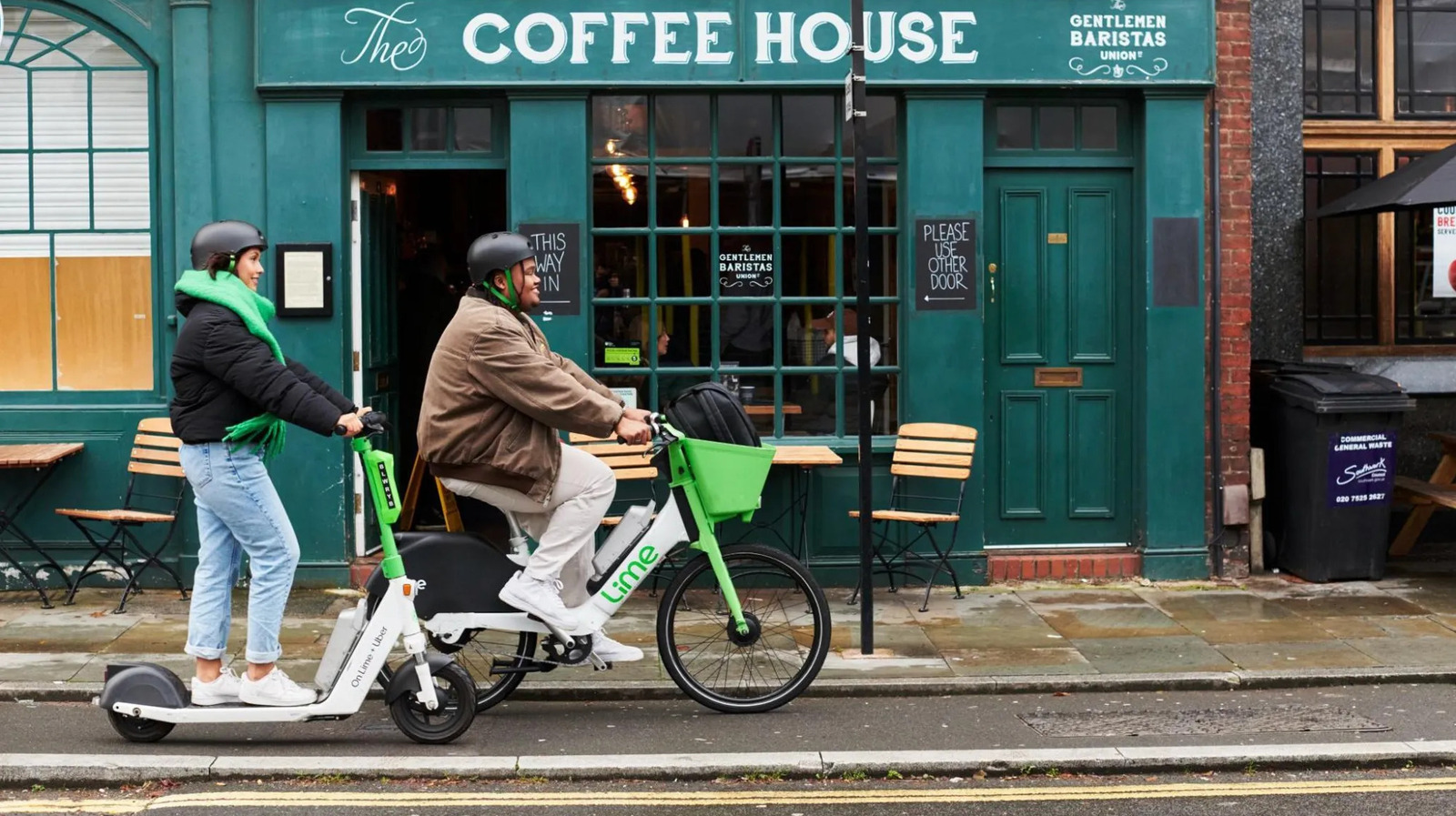
Lime, the global leader in shared electric scooters and bikes, has officially filed for its Initial Public Offering (IPO). This move means the company will soon list its shares on the stock market for public trading. While Lime has successfully expanded its reach to more than 230 cities worldwide, it still faces the major challenge of reaching consistent profitability. This filing is a significant moment for the micro-mobility industry, which has seen many ups and downs over the last few years.
Main Impact
The decision to go public will have a major effect on how investors view green transportation. For a long time, people have wondered if renting out electric scooters can actually be a stable way to make money. By moving toward an IPO, Lime is trying to prove that its business model is strong enough to survive in the long term. If the IPO goes well, it could bring in a large amount of cash that Lime can use to upgrade its fleet and enter even more markets. However, it also puts the company under a microscope, as it will now have to share all its financial secrets with the public every few months.
Key Details
What Happened
Lime submitted its paperwork to financial regulators to start the process of becoming a public company. This follows years of growth where the company moved beyond just scooters to include electric bikes and even small electric cars in some areas. The company has spent a lot of money building its brand and putting thousands of vehicles on city streets. Now, it wants to transition from a private startup backed by venture capital to a public corporation owned by everyday shareholders.
Important Numbers and Facts
Lime currently operates in over 230 cities across the globe, making it one of the largest players in the industry. Since it started, the company has provided hundreds of millions of rides to users. Despite this massive scale, the company has struggled to keep its costs lower than its income. In the past, Lime has had to pull out of certain cities where it was losing too much money. The upcoming IPO will reveal exactly how much debt the company has and how close it is to finally making a profit. Experts will be looking closely at their "unit economics," which is a simple way of asking if a single scooter makes more money than it costs to buy and fix.
Background and Context
The story of electric scooter rentals began with a massive boom about seven or eight years ago. At that time, many companies rushed to put scooters on the streets of major cities. It was seen as a great way to solve the "last mile" problem, which is the difficulty of getting from a bus or train station to a final destination. However, the industry hit many roadblocks. Cities started passing strict rules about where scooters could be parked, and many vehicles were stolen or broken. Some of Lime’s biggest competitors, like Bird, faced serious financial trouble or even went out of business. Lime has managed to survive by being more careful with its spending and focusing on better technology, such as scooters with batteries that last longer and are easier to swap out.
Public or Industry Reaction
The reaction from the tech and finance world has been a mix of excitement and caution. Some people believe that Lime is the "last man standing" and will dominate the market now that smaller competitors are gone. They see the IPO as a sign that the industry is finally maturing. On the other hand, some financial experts are worried. They point out that other tech companies that went public without being profitable have seen their stock prices drop quickly. City leaders are also watching closely. They want to make sure that a public Lime will still care about safety and keeping sidewalks clear, rather than just focusing on making money for shareholders.
What This Means Going Forward
In the coming months, Lime will go on a "roadshow" to talk to big investors and convince them to buy its stock. The company will need to show a clear path to profitability. This might mean raising prices for riders or finding new ways to save money on repairs. We might also see Lime try to partner more closely with public transit agencies to become a permanent part of city travel. If the IPO is a success, it will likely lead to more innovation in electric vehicle technology. If it struggles, it could make it very hard for any other scooter company to get funding in the future.
Final Take
Lime is taking a huge risk by going public while it is still losing money. However, its massive presence in over 230 cities gives it a head start that few others can match. The success of this IPO will depend on whether the company can turn its popular service into a sustainable business. For riders, this could mean more reliable scooters, but it might also mean higher costs as the company feels the pressure to finally turn a profit.
Frequently Asked Questions
What is an IPO?
An IPO, or Initial Public Offering, is when a private company starts selling its stock to the general public for the first time. This allows the company to raise money from many different investors.
Is Lime making money right now?
While Lime earns a lot of money from rides, it has not yet reached a point where its total income is higher than its total spending. It is still working toward becoming profitable.
Will Lime scooters disappear from my city?
The IPO is intended to help the company grow, so scooters are unlikely to disappear. However, Lime may choose to leave cities where they cannot make enough money to cover their costs.