
Summary
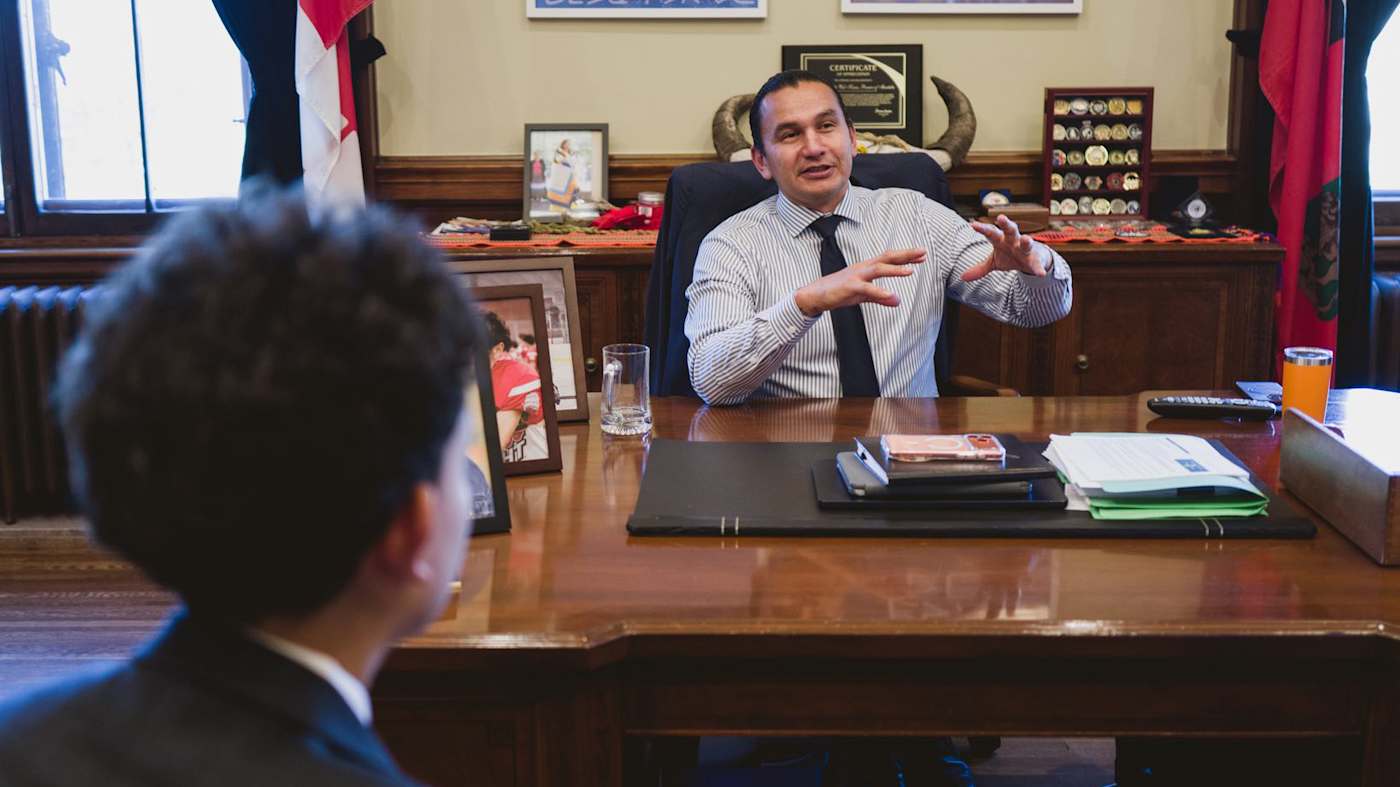
The Premier of Manitoba, Wab Kinew, has announced plans to ban social media and artificial intelligence (AI) chatbots for children in the province. This move aims to protect young people from the negative effects of online platforms that prioritize profit over safety. While the specific rules are still being developed, the announcement marks a major step in Canada’s efforts to regulate the digital world for minors. The goal is to stop tech companies from treating the attention and childhoods of young people as products to be sold.
Main Impact
This proposal could make Manitoba the first province in Canada to set strict legal limits on how kids use social media and AI. If the ban becomes law, it will force major tech companies to change how they operate within the province. It also signals a growing trend across Canada and the world to hold internet companies accountable for the mental health and safety of young users. This shift could lead to more provinces following suit, creating a new standard for digital privacy and protection for families.
Key Details
What Happened
Premier Wab Kinew shared his plans during a recent fundraiser event and later confirmed his stance on social media. He expressed strong concerns about how social media companies use "likes" and high engagement to keep children hooked on their apps. Kinew argued that these companies are making money by exploiting the time and attention of children. He stated clearly that the childhoods of Manitoba’s youth should not be for sale. However, the Premier did not provide a specific timeline for when the law would start or exactly how the government would make sure everyone follows the rules.
Important Numbers and Facts
While Manitoba’s specific age limit is not yet set, other groups in Canada have suggested their own targets. The Liberal Party of Canada recently voted to support a ban for anyone under the age of 16. Some other proposals in the country have suggested an even lower age limit of 14. These ideas follow the example of Australia, which recently passed its own laws to keep young children off social media. Despite these efforts, data from the Molly Rose Foundation shows that many teenagers find ways to bypass these bans, suggesting that enforcement will be a major challenge for the government.
Background and Context
Social media platforms are designed to keep users online for as long as possible. They use complex computer programs to show content that triggers a strong emotional response. For children, this can lead to issues with mental health, sleep, and self-esteem. AI chatbots are a newer concern. These are computer programs that can talk to people like a human would. They can be used for homework, but they can also share wrong information or collect private data from kids who might not understand the risks. Governments are now looking at these tools more closely to see if they are safe for developing minds.
Public or Industry Reaction
The reaction to the Premier’s announcement has been a mix of support and doubt. Many parents and teachers welcome the idea, as they see the daily struggles kids face with online bullying and screen addiction. They believe a law would give them more power to manage their children's digital lives. On the other hand, tech experts and some youth advocates worry that a total ban might not work. They point out that kids are very good at using tools like VPNs to hide their location or age. Some critics also argue that it is better to teach kids how to use the internet safely rather than blocking it entirely.
What This Means Going Forward
The next step for Manitoba will be to define the details of the ban. The government will need to decide on a specific age limit and figure out how to verify a user's age without invading their privacy. This often requires people to show ID or use face-scanning technology, which can be controversial. There will also likely be legal battles with tech giants who do not want to lose millions of young users. If Manitoba is successful, it will provide a roadmap for other regions trying to balance technology with child safety. The success of the law will depend on whether the government can create a system that is easy for parents to use but hard for kids to trick.
Final Take
The move to ban social media and AI for kids in Manitoba is a bold attempt to put people before profits. While the plan faces many technical and legal hurdles, it highlights a serious conversation about the role of technology in our lives. Protecting the next generation from digital harm is a popular goal, but the real test will be whether a government ban can actually keep up with the fast-moving world of the internet.
Frequently Asked Questions
What age group will the ban affect?
The Premier has not yet named a specific age. However, other similar proposals in Canada have suggested age limits of 14 or 16.
Why are AI chatbots included in the ban?
AI chatbots are included because they can collect personal data and interact with children in ways that may be unsafe or misleading.
How will the government stop kids from using these apps?
The government has not explained the exact method yet. Usually, this involves requiring apps to check a user's age using official ID or other verification tools.