
Summary
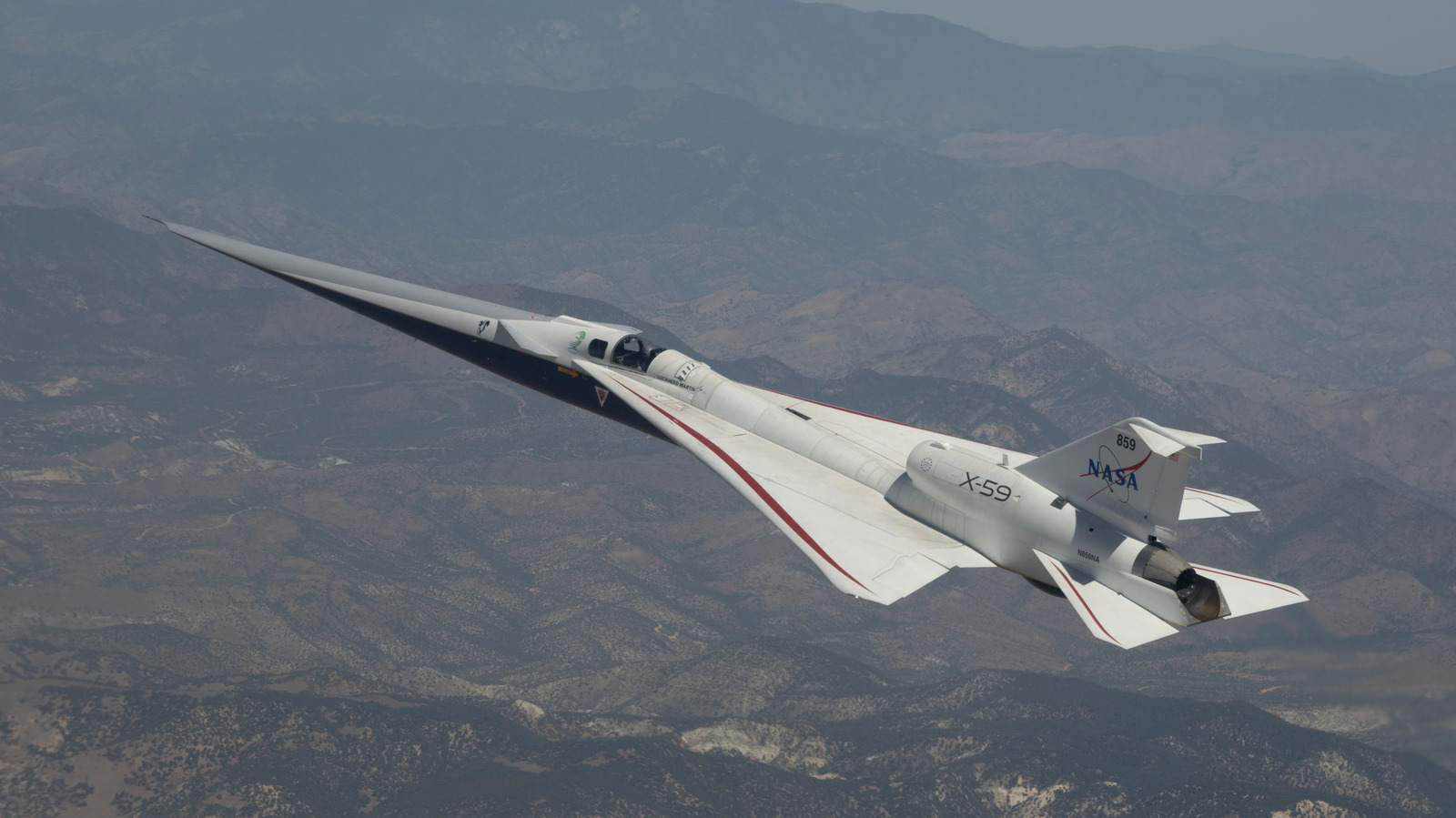
NASA is preparing for a major milestone as its X-59 aircraft nears its first supersonic flight. This experimental plane is designed to fly faster than the speed of sound without creating the loud noise known as a sonic boom. While NASA moves forward with this project, SpaceX has faced a temporary pause as its Starship rocket remains grounded for safety reviews. These stories represent the latest efforts to change how we travel through the air and into space.
Main Impact
The success of the X-59 could change the rules of aviation forever. For over 50 years, supersonic flight over land has been banned in many countries because the noise is too disruptive for people on the ground. If NASA can prove that a plane can fly at high speeds while remaining quiet, it could open the door for a new generation of commercial planes. This would allow travelers to cross continents in half the time it takes today.
Key Details
What Happened
NASA and the aerospace company Lockheed Martin have spent years building the X-59. The plane is part of the Quiet SuperSonic Technology mission. Engineers have recently completed several ground tests to ensure the aircraft is safe to fly. The goal is to fly the plane over various cities to see how people react to the sound it makes. Unlike older fast planes, the X-59 is shaped in a way that prevents shockwaves from merging into a loud boom.
Important Numbers and Facts
The X-59 is nearly 100 feet long but has a wingspan of only 29.5 feet. Its most striking feature is its long, thin nose, which makes up about one-third of the plane's total length. The aircraft is designed to fly at an altitude of 55,000 feet and reach speeds of about 925 miles per hour. While a traditional sonic boom can sound like an explosion, the X-59 is expected to produce a sound no louder than 75 decibels, which is similar to the sound of a nearby car door closing.
Background and Context
Supersonic travel is not a new idea. The Concorde was a famous passenger plane that flew faster than sound for decades. However, it was retired in 2003 because it was expensive to run and could only fly at top speeds over the ocean. People living under its flight paths complained about the constant loud noises. NASA’s current mission is to solve this specific problem. By using advanced math and wind tunnel testing, they have created a shape that spreads out the air pressure more evenly, turning a "boom" into a "thump."
Public or Industry Reaction
The aviation industry is watching these tests very closely. Major airlines are interested in any technology that can make travel faster, as it would allow them to fly more routes in a single day. However, government regulators are being cautious. They need to see clear data from NASA’s tests before they consider changing the current laws. Environmental groups are also paying attention, as they want to ensure that faster planes do not lead to significantly higher carbon emissions or noise pollution in quiet areas.
What This Means Going Forward
The next step for the X-59 is its first actual flight, which will test all its systems in the air. After that, NASA plans to fly the plane over several communities in the United States starting in 2025. They will use sensors on the ground and surveys from residents to gather data. This information will be given to international regulators. If the data shows the plane is quiet enough, we could see the first new supersonic passenger planes being designed by the end of this decade.
Final Take
The future of travel depends on our ability to overcome the physical limits of sound and safety. While SpaceX works through the technical hurdles of its Starship rocket, NASA is tackling the noise issues that have held back aviation for half a century. Both projects show that while progress can be slow and full of challenges, the potential rewards for global connection and exploration are worth the effort.
Frequently Asked Questions
What is a sonic boom?
A sonic boom is a loud, explosive noise caused by the shockwaves created when an object travels through the air faster than the speed of sound. It can be strong enough to shake buildings and break windows.
Why is SpaceX's Starship grounded?
Starship is often grounded after test flights so that the Federal Aviation Administration (FAA) can review the flight data. This is a standard safety process to make sure the rocket does not pose a risk to the public or the environment during its next launch.
When will regular people be able to fly on supersonic planes?
If the X-59 tests are successful and laws are changed, experts believe that commercial supersonic flights could return by the mid-2030s. Several private companies are already working on designs for these new planes.