
Summary
Anthropic, a major artificial intelligence company, has officially filed for an initial public offering (IPO). The company is known for its focus on AI safety and uses a unique board of "guardians" to ensure it stays true to its mission. However, a new report from Harvard Law experts warns that this type of setup often fails. The researchers point to past examples where these safety boards caused massive financial losses and failed to protect the very goals they were created to save.
Main Impact
The move to go public puts Anthropic in a difficult position. It wants to raise billions of dollars from Wall Street while keeping a special board that can stop the company from making certain moves. This creates a "mission risk" where the goals of the safety board might clash with the goals of the investors who want to see profits. If the safety board makes a decision that hurts the stock price, investors might fight back, leading to a total breakdown of the company’s rules.
Key Details
What Happened
On Monday, June 1, 2026, Anthropic filed its paperwork to become a public company. This follows a long period of growth where the company reached a value of nearly $96.5 billion. Anthropic is trying to beat its rival, OpenAI, to the public market. Both companies have tried to use special boards to keep their AI technology safe, but these boards are now facing intense pressure from the business world.
Important Numbers and Facts
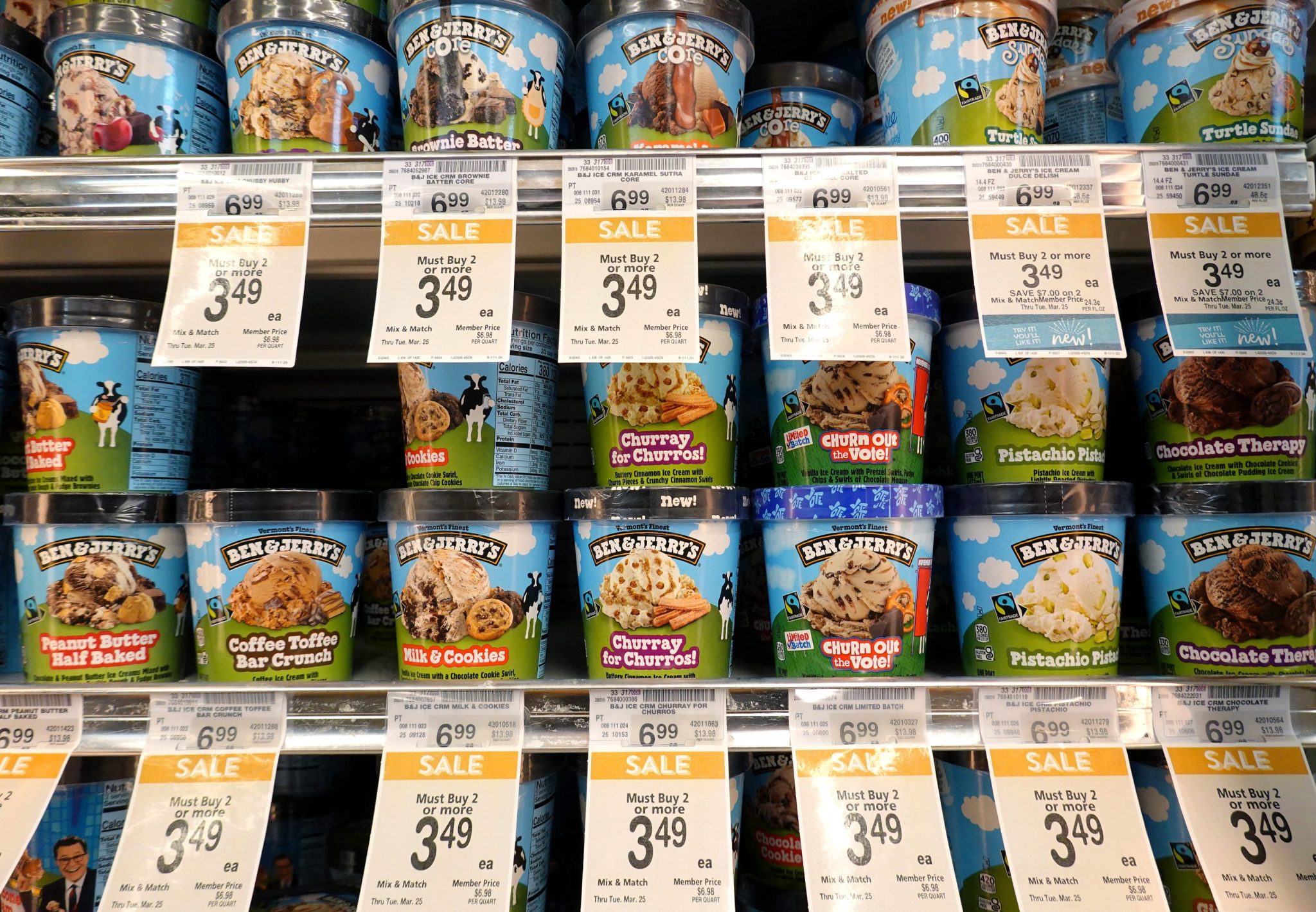
The Harvard Law paper highlights several key figures regarding these types of business structures. For example, when a similar conflict happened at Unilever over Ben & Jerry’s ice cream, the company’s market value dropped by $20 billion to $26 billion in just a few months. The stock fell by 8% in the first week of the dispute. Additionally, seven U.S. states pulled nearly $1 billion in pension funds out of the company because they did not agree with the board's social decisions.
Background and Context
The researchers call this the "Ben & Jerry’s risk." This refers to the ice cream company Ben & Jerry’s, which had an independent board to protect its social values. When the board tried to stop selling ice cream in certain areas for political reasons, it caused a massive fight with the parent company, Unilever. In the end, the parent company took over, the CEO was fired, and the social mission was weakened. The researchers argue that when a safety board tries to do something that costs the company too much money, the owners will eventually find a way to stop them.
OpenAI faced a similar crisis in 2023. Its board fired CEO Sam Altman because they were worried about AI safety. However, the employees and investors fought back, Altman was rehired, and the safety-focused board members were forced to leave. This shows that even with a safety board in place, the people with the money and the power usually win in the end.
Public or Industry Reaction
Experts are divided on whether Anthropic’s plan will work. Some believe that Anthropic has a better setup than OpenAI because it includes a "kill switch." This rule allows a large majority of investors to remove the safety board if they feel it is causing too much harm to the business. Professor Jesse Fried from Harvard says this switch is important because it forces the safety guardians to be reasonable. If they go too far, they know they can be fired. However, many safety researchers are still worried. They have seen other companies remove words like "safely" from their mission statements as they get closer to going public.
What This Means Going Forward
As Anthropic moves toward its IPO, the company will have to prove to Wall Street that its safety board won't get in the way of making money. If the company struggles to find investors, it might be forced to change its rules and give the safety board less power. This creates a cycle where safety is slowly traded for profit. The long-term success of this model is still unknown, as no company has successfully balanced a powerful safety board with the demands of the public stock market for a long period of time.
Final Take
Building a company that puts safety before profit is a noble goal, but history shows it is very hard to maintain. Anthropic is trying to fix the mistakes made by Ben & Jerry’s and OpenAI, but the pressure of being a public company is immense. Investors usually value growth over everything else, and a safety board that slows down that growth may not survive the demands of Wall Street.
Frequently Asked Questions
What is a mission guardian?
A mission guardian is a person or a group of people on a company's board who are hired to protect a specific goal, like AI safety or social justice, even if that goal costs the company money.
Why did Ben & Jerry’s lose so much value?
The company lost value because its independent board made a political decision that led to boycotts and lawsuits. This caused investors to sell their stock and states to pull their money out of the parent company.
How is Anthropic different from OpenAI?
Anthropic has a "kill switch" that allows investors to remove the safety board if they agree by a large majority. OpenAI’s structure was more rigid, which led to a major internal fight when the board tried to fire the CEO.