

Summary
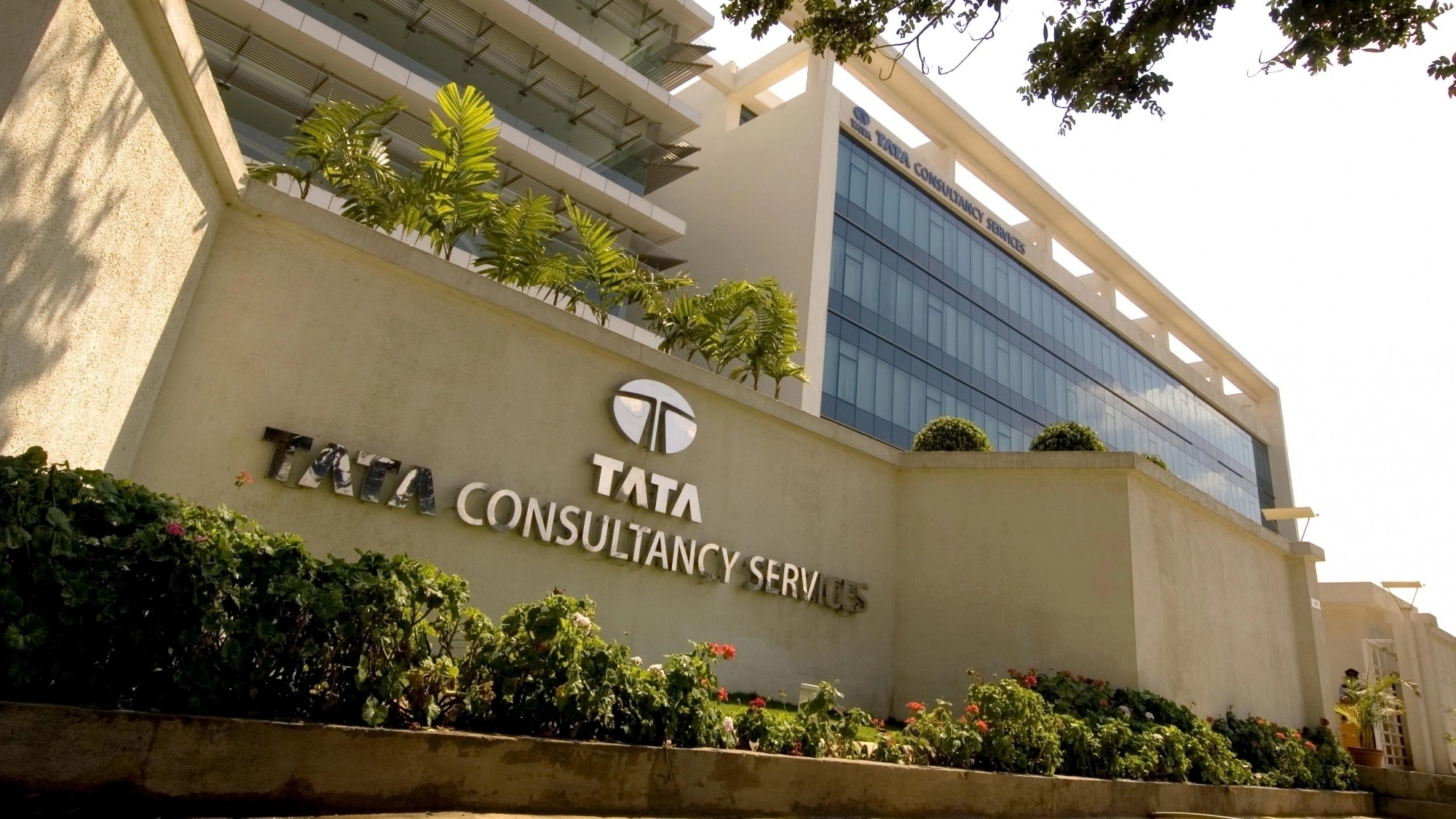
A new fact-finding report has found no evidence of a religious conversion conspiracy at the Tata Consultancy Services (TCS) office in Nashik. The Association for Protection of Civil Rights (APCR) conducted an investigation into claims of "love jihad" and found these allegations to be unsupported. The report suggests that the situation is actually about workplace harassment and misconduct rather than an organized religious plot. This finding shifts the focus toward how the company and local authorities handled internal complaints.
Main Impact
The release of this report challenges the popular narrative that a religious conspiracy was happening within one of India’s largest IT firms. By removing the communal angle, the report places the spotlight back on workplace safety and the legal responsibilities of corporations. It suggests that the focus on religious issues may have been a distraction from serious allegations of sexual harassment. This could lead to a deeper look into how corporate offices manage employee behavior and protect staff from misconduct.
Key Details
What Happened
A five-member team from the APCR visited Nashik on April 4 to look into the claims surrounding the TCS facility. After speaking with various people and reviewing the situation, they released their findings at the Mumbai Press Club on April 23. The team found that while nine different police reports (FIRs) had been filed, the stories in them did not match up. The investigators stated that the police have not found any proof of a systematic or organized effort to convert employees to another religion.
The report mentions that the core issues in the case are related to sexual harassment and improper behavior at the workplace. While some people claimed their religious feelings were hurt, the APCR found no solid material to show a planned conspiracy. The group is now calling for a more serious and neutral investigation to find the truth behind the conflicting stories.
Important Numbers and Facts
The investigation looked into nine separate FIRs registered by the police. These reports contained different and often conflicting claims. During the press conference, activists pointed out that workplace sexual harassment is a widespread issue. They noted that the Maharashtra State Commission for Women received 12,019 cases in the 2023–24 period. However, only a small part of those cases involved workplace harassment, suggesting that many incidents may go unreported or are handled poorly by institutions.
Background and Context
The controversy began when allegations surfaced involving employees at the TCS Nashik branch. Very quickly, the story changed from a workplace dispute to a claim of "love jihad," a term used to describe an alleged conspiracy of forced religious conversion through relationships. This narrative gained a lot of attention in the media and on social platforms. However, civil rights groups became concerned that the religious angle was being used to target specific groups of people or to hide other problems.
In simple terms, this case matters because it shows how a private workplace issue can become a major public and political controversy. When a company like TCS is involved, the stakes are high for both the employees and the reputation of the business. Understanding whether the problem was truly about religion or about workplace safety is vital for ensuring justice for everyone involved.
Public or Industry Reaction
Several civil society groups have joined the APCR in calling for a fair investigation. Groups like the People’s Union for Civil Liberties (PUCL) and the Bombay Catholic Sabha attended the report's release to show their support. These organizations are worried that the case is being used to push certain people out of corporate jobs. Nadeem Khan, a leader at APCR, argued that it is hard to believe someone could be forced to follow religious fasts in a modern office setting.
Some activists, like Niranjan Takle, claimed that the first police report was filed by someone who did not even work at TCS and was not a victim. He suggested that the entire controversy might have been created to take attention away from another major scandal in Nashik involving a local religious leader. Others, like Teesta Setalvad, emphasized that crimes should not be linked to a person's religion or community. She argued that the real focus should be on making offices safe for everyone.
What This Means Going Forward
The APCR has made specific demands to ensure the case is handled correctly. They want the investigation to be led by a retired judge instead of local officials who may be under pressure. They also suggested using narco tests on both the people making the complaints and the people being accused. This is a high-level test used to see if someone is telling the truth, though it is controversial in legal circles.
For the corporate world, this case serves as a warning. It shows that if a company does not address harassment complaints quickly and clearly, the situation can spiral out of control. Moving forward, there will likely be more pressure on firms to have strong internal systems that handle complaints fairly. This helps prevent outside groups from turning internal office problems into big public conflicts.
Final Take
The findings from the APCR report suggest that the "conversion conspiracy" narrative in the TCS Nashik case lacks evidence. Instead of a religious plot, the evidence points toward a failure in managing workplace conduct and harassment. To find the truth, a neutral and professional investigation is needed. Protecting employees from harassment must remain the priority, and such serious issues should not be used for political or communal gain.
Frequently Asked Questions
What did the APCR report find regarding the TCS Nashik case?
The report found no evidence of an organized religious conversion conspiracy or "love jihad." It stated that the police reports were inconsistent and that the real issue involved workplace harassment.
Who is calling for a new investigation into the case?
The Association for Protection of Civil Rights (APCR), along with other groups like the PUCL and CJP, is asking for a retired judge to lead a new probe and for narco tests to be conducted.
Why is this case important for workplace safety?
It highlights the need for companies to have clear and effective ways to handle harassment complaints. It also shows the danger of workplace issues being turned into communal or religious controversies.