

Investors will soon be able to buy tokenized versions of popular stocks and store them offline in a secure physical device. This comes from a partnership between Payward, the parent company of longtime crypto exchange Kraken, and Ledger, a maker of hardware wallets.
The arrangement was announced on Thursday. It is the latest example of the ongoing convergence between the worlds of crypto and traditional assets.
What the Payward and Ledger Partnership Offers Investors
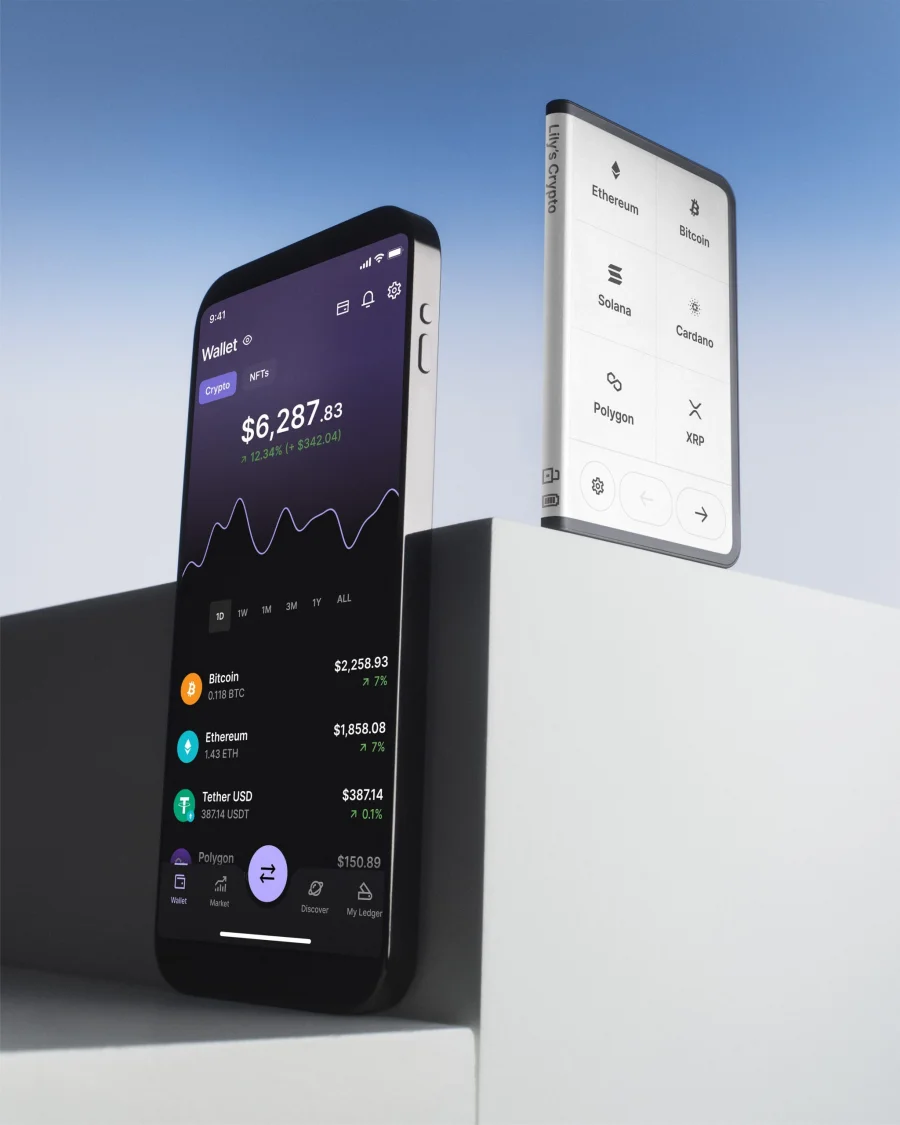
The core idea is simple. Investors can purchase tokenized versions of well-known stocks. Instead of leaving those assets on an exchange or an online platform, they can move them into a physical device that stays disconnected from the internet.
This setup brings to mind the days when people kept paper stock certificates locked in a safe. The difference is that the certificate is now digital, and the safe is a small piece of hardware.
Why Offline Storage Matters for Tokenized Stocks
Hardware wallets are considered highly secure because they let users store digital assets on a physical device that is not connected to the internet. This method of holding assets is known as "cold storage."
Cold storage has long been popular with hardcore Bitcoin holders. The logic is straightforward: if a device never touches the internet, it is much harder for hackers to reach. By extending this model to tokenized stocks, Payward and Ledger are applying a crypto-native security habit to traditional market assets.
- Investors can buy tokenized versions of popular stocks through the partnership
- Those assets can be stored offline on a Ledger hardware wallet
- The offline method is called "cold storage" and keeps the device off the internet
- The deal was announced on Thursday by Payward and Ledger
Our Take: A Small Step With Bigger Meaning
In our view, this partnership is less about one product and more about a direction. Crypto exchanges and traditional finance have been moving closer for a while, and this deal puts that shift in a device you can hold in your hand.
To put it plainly, the pitch is trust. Many investors are still uneasy about leaving assets on an exchange after years of industry failures. Letting them hold tokenized stocks offline gives them a sense of control that online accounts do not offer.
But readers should keep one thing in mind. Tokenized stocks are not the same as owning shares directly through a broker. The rules around them are still developing, and the protections may differ from what traditional investors expect. Anyone interested in this option should understand exactly what they are holding before moving real money.
Still, the announcement matters because it shows how the line between crypto tools and stock investing keeps getting thinner. For everyday investors, the practical question is simple: do you want your assets online, or in your own pocket? This deal is a bet that more people will choose the second option.