

Summary
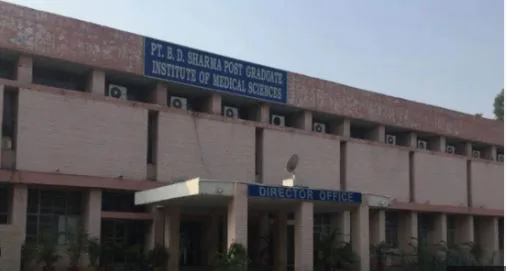
The Post Graduate Institute of Medical Sciences (PGIMS) in Rohtak has introduced a new rule for buying expensive medicines. Department heads must now provide a clear explanation for any drug that costs more than Rs 1,000 per unit. This decision comes at a time when the hospital is facing public pressure over medicine shortages and long wait times for patients. The goal is to manage the hospital budget more effectively while ensuring that life-saving treatments remain available for those who need them most.
Main Impact
The primary impact of this directive is a stricter control over how the hospital spends its money on healthcare supplies. By requiring a detailed reason for high-cost items, the administration hopes to reduce waste and find cheaper alternatives. However, this change also means that doctors must handle more paperwork before they can get certain medicines. For patients with serious illnesses, this could potentially lead to delays in receiving treatment if the approval process takes too long.
Key Details
What Happened
The administration at PGIMS Rohtak recently held a meeting to discuss the hospital's spending and the availability of drugs. Following this meeting, the central store of the institute stopped the automatic purchase of expensive medicines. Instead, they sent a list of these drugs back to the various department heads. The heads of departments (HoDs) are now required to answer specific questions before any order for these drugs can move forward. This applies to all medicines that have a price tag of Rs 1,000 or higher per unit.
Important Numbers and Facts
The new rule covers a wide range of medicines used across different medical fields. The prices of the drugs on the monitored list start at Rs 1,000 and go as high as Rs 76,000 for a single unit. To get these medicines, department heads must now clarify four main points:
- Whether there are any cheaper versions of the medicine available that work just as well.
- The exact number of patients who are expected to benefit from the medicine.
- The known success rate of the treatment when using that specific drug.
- Whether the medicine is being used for standard patient care or for a special research project.
Background and Context
PGIMS Rohtak is one of the largest and busiest government hospitals in the region. It serves thousands of patients every day, many of whom come from low-income families and rely on the hospital for free or low-cost treatment. In recent months, the hospital has been criticized because many patients found that the pharmacy was out of stock of basic and advanced medicines. This forced many people to buy expensive drugs from private shops outside the hospital.
Public hospitals often work with a fixed budget provided by the government. When the cost of modern medical treatments rises, these hospitals must find ways to balance their books. "Rational drug use" is a term used in healthcare to describe the practice of making sure patients receive the right medicine, in the right dose, for the right amount of time, and at the lowest cost to them and the community.
Public or Industry Reaction
The reaction within the hospital has been split. The Director of PGIMS, Dr. SK Singhal, stated that the move is necessary to prioritize spending based on the money the institute has available. Some senior doctors agree, noting that it is important to ensure that expensive medicines are used only for the most critical cases and that no money is wasted on drugs that do not have a high success rate.
On the other hand, some faculty members and medical staff are worried. They argue that doctors are already very busy with patient care and that adding more administrative tasks will take time away from their clinical work. There is also a fear that if a patient needs a life-saving drug immediately, the time spent writing explanations and waiting for approval could put the patient's life at risk.
What This Means Going Forward
In the coming months, the hospital will likely see a shift in how it stocks its pharmacy. If the new policy works as intended, the hospital might be able to save enough money to ensure that basic medicines are always in stock. It could also lead to a more transparent system where every rupee spent on healthcare is accounted for. However, the administration will need to find a way to make the approval process fast. If the system becomes too slow, the hospital may face even more criticism from the public and the medical community for failing to provide timely care.
Final Take
Managing a large public hospital requires a difficult balance between saving money and saving lives. PGIMS Rohtak is trying to solve its supply issues by looking closely at its most expensive purchases. While being careful with a budget is a good thing, the success of this plan will depend on whether it helps more patients or simply creates more hurdles for the doctors trying to treat them. The focus must remain on the patient, ensuring that financial rules do not get in the way of urgent medical needs.
Frequently Asked Questions
Why did PGIMS Rohtak start asking for these explanations?
The hospital is trying to manage a limited budget and address complaints about medicine shortages. By asking for justifications, they want to ensure that expensive drugs are used only when absolutely necessary and that cheaper options are used whenever possible.
Which medicines are affected by this new rule?
Any medicine that costs more than Rs 1,000 per unit is affected. This includes a variety of drugs, some of which cost up to Rs 76,000 per unit, often used for treating very serious or life-threatening conditions.
Will this change affect how quickly patients get their medicine?
There is a concern among some doctors that it might. Because department heads now have to provide detailed reports and wait for approvals, there is a risk of delays in the purchasing process, which could affect how fast a patient receives treatment.
