
Summary
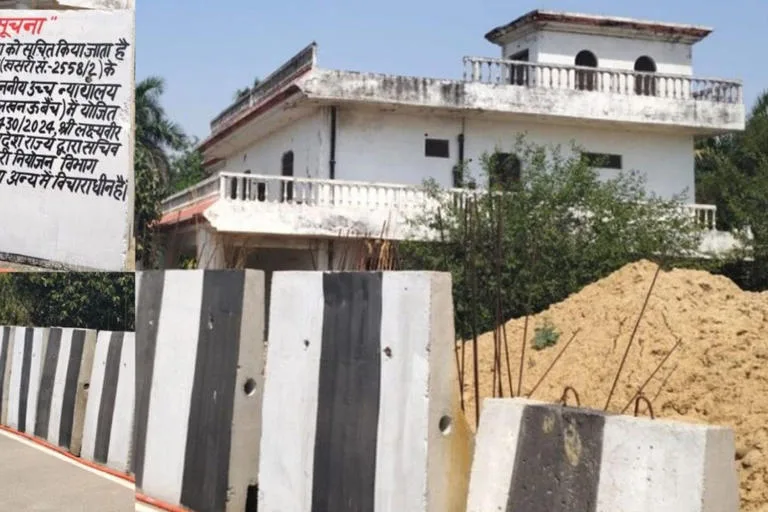
A single two-story house named "Swabhiman" has become a major obstacle for the new Rs 12,000-crore Delhi-Dehradun Expressway. Located in Mandola village, the building sits directly in the path of a vital exit ramp, forcing vehicles into a narrow and dangerous bottleneck. This situation is the result of a legal battle over land prices that has lasted for 28 years. While the expressway aims to speed up travel, this lone house remains a symbol of a family's refusal to accept old compensation rates for their property.
Main Impact
The presence of the "Swabhiman" house has a direct effect on the safety and efficiency of the 213-kilometer highway. Because the building cannot be demolished due to court orders, the National Highways Authority of India (NHAI) had to create a temporary service lane to move traffic around it. This creates a sudden "squeeze" where high-speed traffic must slow down significantly. Drivers heading toward Delhi or the Eastern Peripheral Expressway now face congestion and a higher risk of accidents in this specific area.
Key Details
What Happened
The Delhi-Dehradun Expressway was built to reduce travel time between the two cities to just 2.5 hours. However, as the project reached Mandola village, engineers hit a wall—literally. The Saroha family owns a 1,600-square-meter plot that the government needs for an exit ramp. Because the family has a legal stay on the property, the government cannot touch the house. Interestingly, the house has become a local attraction. Many travelers now stop their cars to take photos with the building, making it a popular "selfie point" on the high-speed route.
Important Numbers and Facts
The financial and legal scale of this dispute is significant. The entire expressway project costs approximately Rs 12,000 crore. The land dispute itself dates back to 1998 when the Uttar Pradesh Housing Board first tried to acquire the land. At that time, the government offered compensation of Rs 1,100 per square meter. The owners, led by the late Veersen Saroha and now his grandchildren, argue that this amount is far too low for the year 2026. The plot of land in question measures 1,600 square meters, and its current market value is estimated to be many times higher than the original 1998 offer.
Background and Context
This conflict started nearly three decades ago during a large land acquisition drive. While many neighbors took the money offered in the late 1990s, the Saroha family felt the price did not reflect the true value of their home. They took the matter to the Allahabad High Court and won a stay order, which prevented the government from taking the land. In 2020, the land was transferred to the NHAI to build the expressway, but the legal stay remained in place. The family insists they are not trying to stop progress, but they want to be paid based on today's land prices rather than rates from 28 years ago.
Public or Industry Reaction
The reaction to the "Swabhiman" house is mixed. On social media, the house has gone viral, with many people praising the family for standing their ground against the government. Local residents often visit the site to see the "lone holdout" that stopped a multi-crore project. However, transportation experts and regular commuters are more concerned about safety. Local observers have reported several "near-miss" incidents where drivers, surprised by the sudden narrowing of the road, almost crashed. The NHAI is under pressure to resolve the issue quickly to ensure the expressway can function as intended without risking lives.
What This Means Going Forward
The case recently reached the Supreme Court of India. While the court acknowledged that the expressway is a project of national importance, it did not immediately order the house to be torn down. Instead, the Supreme Court sent the case back to the Lucknow bench of the Allahabad High Court. The high court has been asked to fast-track the final ruling. Until a decision is made regarding the compensation amount, the house will stay where it is. This sets a precedent for how the government handles old land disputes in the face of modern infrastructure needs. If the court rules in favor of the family, it could change how compensation is calculated for other long-standing land battles across the country.
Final Take
The "Swabhiman" house is more than just a physical roadblock; it represents the tension between rapid national growth and the rights of individual property owners. While the government wants to modernize travel, the Saroha family wants a fair price for the home they have defended for a generation. As the legal system works toward a final answer, the house stands as a quiet reminder that even the biggest projects can be halted by a single person's claim to their land.
Frequently Asked Questions
Why is the house called Swabhiman?
The name "Swabhiman" means self-respect or pride. The family chose this name to show they are standing up for their rights and refuse to be forced out of their property for an unfair price.
Can the government legally move the house?
Currently, the government cannot move or demolish the house because there is a legal "stay" from the court. This order protects the property until the court makes a final decision on the land dispute.
How does the house affect traffic?
The house sits where an exit ramp should be. This forces the NHAI to use a narrow service lane, creating a bottleneck that slows down traffic and creates safety risks for drivers transitioning off the main expressway.