
Summary
Pope Leo XIV has released a major new document called "Magnifica Humanitas," which focuses on the risks and benefits of artificial intelligence. The Pope warned that AI could become a tool for "domination, exclusion, and death" if it is not properly controlled. He called for strict rules to ensure the technology helps all of humanity rather than just making money for big companies. This document is seen as a direct challenge to political leaders and tech giants who want to develop AI with very little oversight.
Main Impact
The Pope’s message creates a new moral standard for the global tech industry. By calling AI the biggest challenge facing humans today, he is pushing governments to move faster on creating laws. His stance also puts him in direct conflict with the current United States government, which has been working to remove rules that slow down AI growth. This document will likely serve as a guide for lawmakers, researchers, and religious groups who are worried about how machines might change human life and work.
Key Details
What Happened
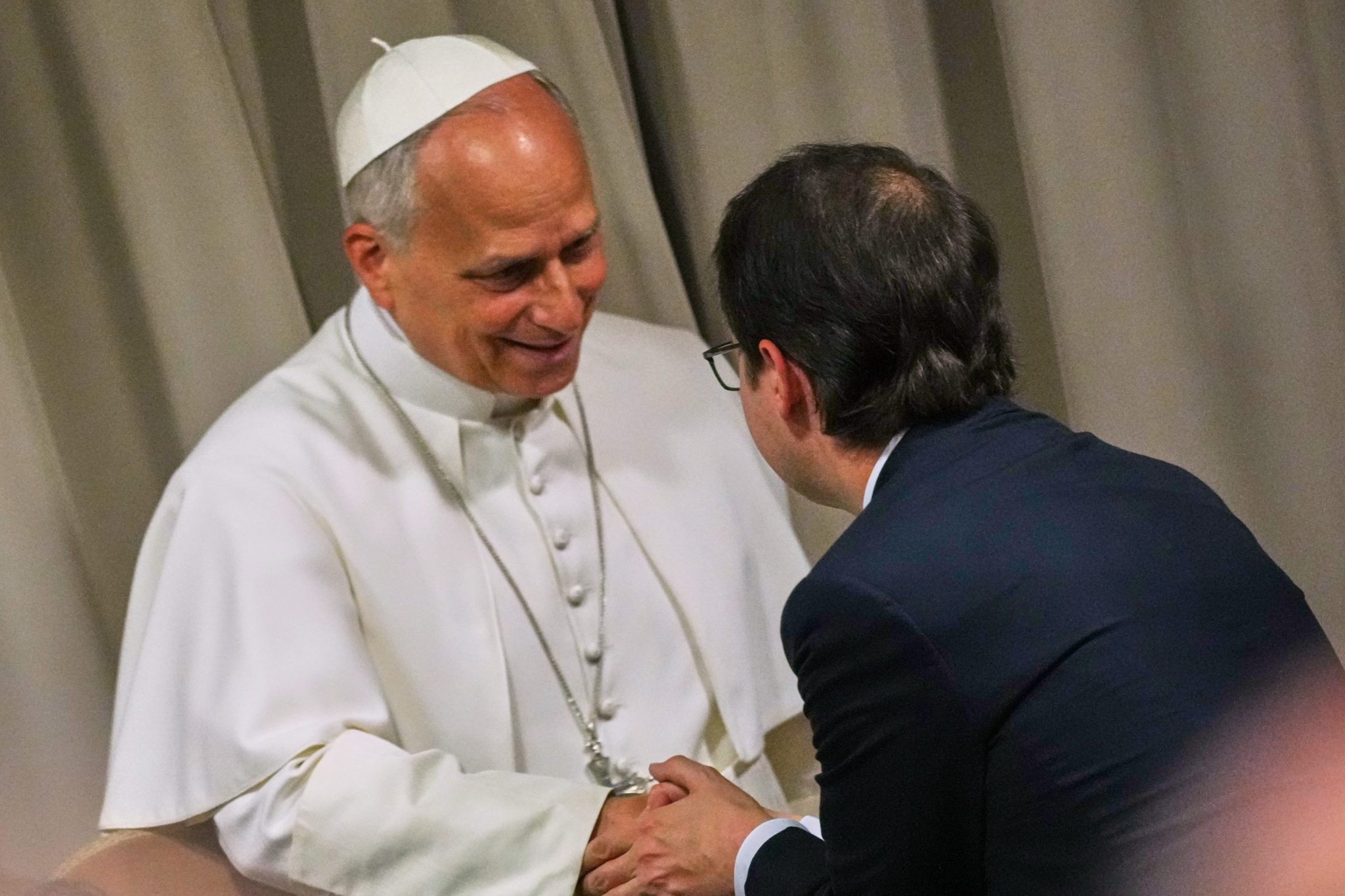
During a special event at the Vatican, Pope Leo XIV presented his first encyclical, which is one of the most important types of letters a Pope can write. In the text, he strongly criticized the "culture of power" that drives the race to build better AI. He was especially concerned about using AI in war. He stated that it is "not permissible" to let machines make life-or-death decisions on the battlefield. He argued that humans must always be the ones in control of lethal weapons.
The Pope also spoke about the concentration of power. He noted that a very small number of private companies hold most of the data and technology. He believes this is dangerous for children and poor people. He called for independent groups to watch over these companies to make sure they are acting fairly.
Important Numbers and Facts
The document was signed on May 15. This date is important because it is the 135th anniversary of "Rerum Novarum," a famous document from 1891 that protected workers' rights during the Industrial Revolution. Pope Leo XIV, who was a math major before joining the church, sees the AI revolution as a similar turning point in history.
The scale of the companies involved is massive. Companies like OpenAI and Anthropic are valued at hundreds of billions of dollars. This is more money than the entire yearly economic output of many small countries. Both companies are expected to sell shares to the public soon, which could push their value toward one trillion dollars each.
Background and Context
Pope Leo XIV is the first Pope born in the United States. Since he was elected, he has made technology a top priority. He believes that while AI can do good things, the drive for profit often leads companies to ignore human safety. He compares the current situation to the time when factories first started replacing manual labor. Just as the church fought for fair pay and safe conditions back then, the Pope is now fighting for "human dignity" in the age of computers.
In a surprising move, the Pope also used this document to offer an apology. He apologized for the Catholic Church's past role in supporting slavery hundreds of years ago. This shows his focus on justice and making sure the church does not support systems that treat people as objects.
Public or Industry Reaction
The reaction from the tech world has been mixed but mostly respectful. Christopher Olah, a co-founder of the AI company Anthropic, was actually present at the Vatican for the announcement. He said he welcomed the Pope’s criticism. Olah agreed that there is a real risk that AI could take away many human jobs. He said the world needs "moral voices" that are not influenced by money to help guide the technology.
Some experts in law and ethics called the document "prophetic." They believe it will help people think about what it actually means to be human in a world full of smart machines. However, some critics were unhappy that an executive from a major AI company was invited to the event. They worried it looked like the Vatican was supporting one specific company, even though the Pope’s text was very critical of the industry as a whole.
What This Means Going Forward
In the coming months, this document will likely be used in political debates across the world. In the United States, it highlights a growing gap between religious leaders and the government’s plan to deregulate the tech industry. The Pope is calling for a "slow down" so that people can think about the spiritual and ethical results of their work.
For workers, the Pope’s message is a call for protection. He argued that making a profit is not a good enough reason to get rid of human jobs. We can expect to see more religious and social groups using the Pope’s words to demand that AI be used to help workers rather than replace them. There will also be more pressure on military leaders to sign agreements that prevent "killer robots" from being used without human oversight.
Final Take
The Pope is sending a clear message: technology should serve people, not rule them. By speaking out against the use of AI in war and the greed of big tech firms, he is trying to protect the most vulnerable members of society. Whether or not Silicon Valley listens, the Pope has now set a firm moral boundary for the future of artificial intelligence.
Frequently Asked Questions
What is "Magnifica Humanitas"?
It is an official letter, or encyclical, written by Pope Leo XIV. It discusses the moral and social dangers of artificial intelligence and calls for better laws to control the technology.
Why is the Pope worried about AI in war?
The Pope believes that machines should never be allowed to make the decision to kill a human being. He argues that AI makes war feel less real and could lead to more violence without accountability.
What does the Pope want AI companies to do?
He wants them to focus on the "common good" instead of just making a profit. He also wants them to be transparent about how their systems work and to accept oversight from independent groups.