
Summary
The White House recently shared a new report about the cost of medicine in the United States. Economists working for the administration estimate that new deals with drug companies will save Americans $529 billion over the next 10 years. This plan aims to lower the price of prescription drugs so they match the lower prices paid in other wealthy countries. These savings are a major part of the government's plan to help families struggling with the high cost of living.
Main Impact
The biggest impact of this policy is the potential to change how much the government and regular people spend on healthcare. By forcing drug companies to offer the U.S. the same deals they give to other nations, the White House believes it can stop the trend of rising medicine costs. If these projections are correct, it would mean billions of dollars stay in the pockets of taxpayers and the government rather than going to large pharmaceutical corporations.
Key Details
What Happened
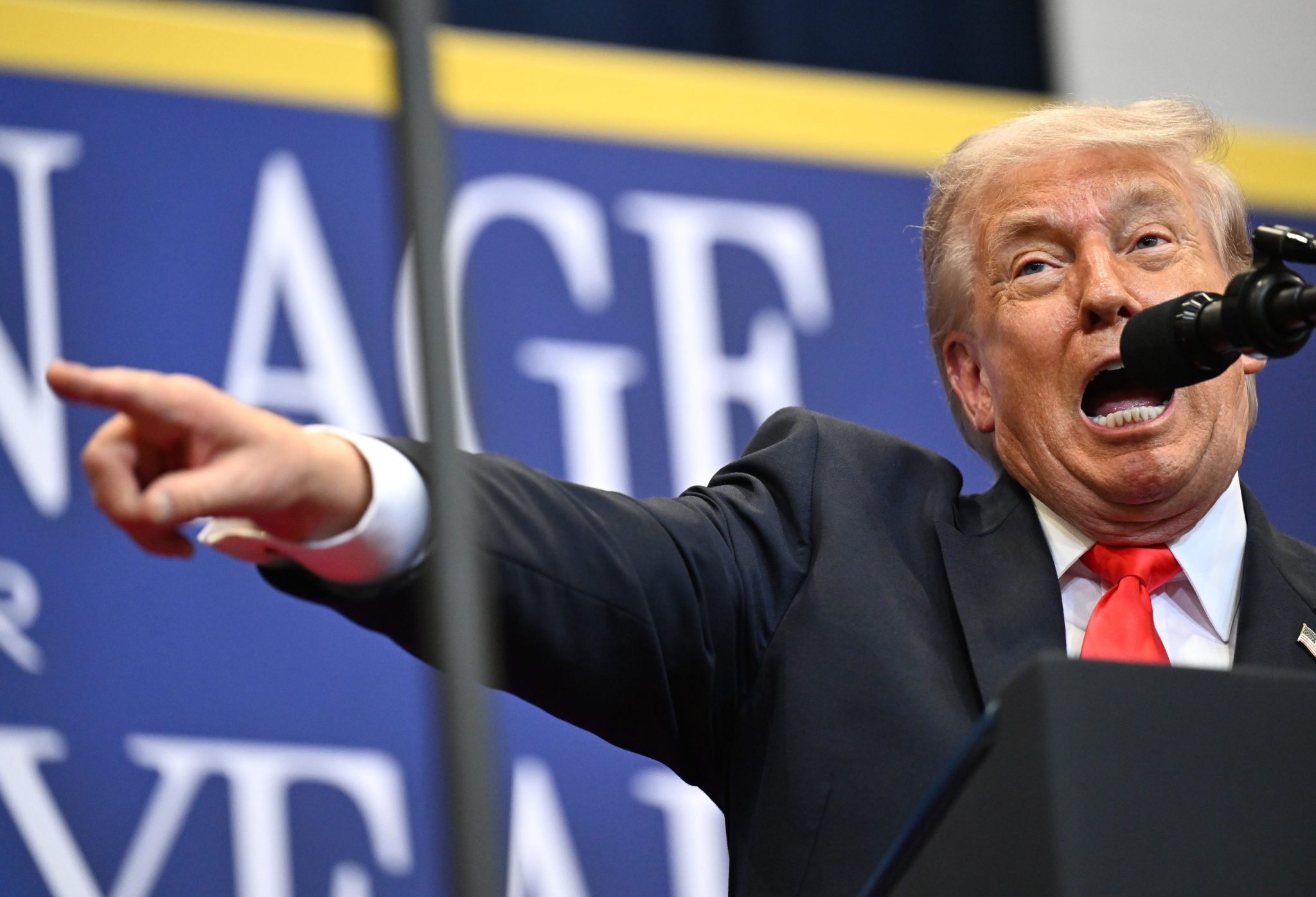
President Donald Trump has been working on what he calls "most favored nation" deals. This means the U.S. government wants to pay the lowest price available for certain drugs. So far, the administration has reached agreements with 17 of the largest drug companies in the world. The White House says these deals are necessary because Americans often pay much more for the exact same medicine than people in Europe or Canada.
Important Numbers and Facts
The report includes several key figures that show the scale of the plan:
- $529 Billion: The total estimated savings for the U.S. economy over the next decade.
- $64.3 Billion: The amount that federal and state governments could save on Medicaid alone.
- $467 Billion: The total amount Americans spent on prescription drugs in the year 2024.
- 17 Companies: The number of major drug manufacturers that have signed on to the framework so far.
Background and Context
For a long time, the high cost of medicine has been a top concern for voters. This issue has become even more important recently because of other rising costs. For example, energy prices have gone up due to the ongoing war in Iran, making it harder for families to pay their bills. The administration is using these drug deals to show they are taking action to lower daily expenses. By focusing on "most favored nation" pricing, the government is trying to fix a system where the U.S. effectively pays more to support drug research while other countries get a discount.
Public or Industry Reaction
Not everyone is convinced that these deals will work as promised. Democratic lawmakers have raised many questions about the data. They point out that the specific details of the deals are being kept secret. Senator Ron Wyden has asked why the public cannot see the full terms of the agreements. The White House says it must keep the details private to avoid causing sudden changes in the stock market.
Other critics, like Senator Bernie Sanders, have pointed to the high profits of drug companies. A recent report from his office showed that profits for 15 of these companies went up by 66% in just one year, reaching $177 billion. Critics argue that while the government claims to be saving money, the companies are still making more money than ever. Some economists also worry that if the U.S. pays less, drug companies might just raise prices in other countries to make up for the loss.
What This Means Going Forward
The next step for the administration is to try and turn these deals into permanent laws. They want Congress to pass rules that make these price limits official. However, there are risks. The Congressional Budget Office warned that drug companies might change how they distribute medicine to avoid these price caps. If companies find ways around the rules, the savings for patients might get smaller over time. Voters will likely weigh these promises heavily as they head to the polls for the upcoming midterm elections.
Final Take
The promise of saving over $500 billion is a bold claim that could change the lives of many Americans who rely on daily medication. While the numbers look good on paper, the lack of transparency regarding the deal details remains a point of debate. The success of this policy will depend on whether these savings actually reach the people buying medicine at the pharmacy or if the money simply shifts around within the healthcare system.
Frequently Asked Questions
What is the "most favored nation" policy?
It is a rule that says the U.S. government should not pay more for a drug than the lowest price paid by other similar, wealthy countries.
Why are the details of the drug deals secret?
The White House says the deals contain sensitive business information. They claim that releasing the full text could cause problems for the companies on the stock market.
Will this definitely lower my pharmacy bill?
It is not guaranteed yet. While the government expects to save money, some experts say it might take time for those savings to reach individual patients, depending on their insurance plans.