

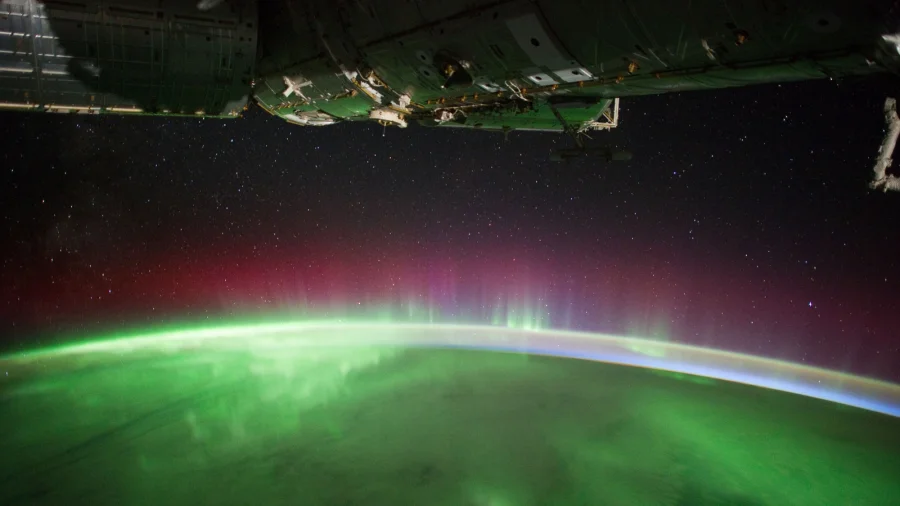

The northern lights are a beautiful sight, but they come with a hidden danger. The same solar storms that create these colorful displays can also knock out the technology we depend on every day. Not all tech is equally at risk, but some systems are far more vulnerable than others.
What Happens During a Solar Storm
Solar storms happen when the sun releases a burst of energy and charged particles. These particles travel toward Earth and interact with our planet’s magnetic field. While this creates the northern lights, it can also cause serious problems for technology on the ground and in space.
According to weather.gov, extreme solar events can disrupt power grids, satellites, and communication systems. The most intense storms can even cause widespread blackouts.
Which Tech Is Most at Risk
Power grids are among the most vulnerable systems. Solar storms can induce electric currents in power lines, which can overload transformers and cause blackouts. In 1989, a solar storm knocked out Quebec’s entire power grid for nine hours.
Satellites are also at high risk. The charged particles can damage satellite electronics, disrupt communications, and interfere with GPS signals. This affects everything from navigation apps to airline flight paths.
Aviation is another concern. High-altitude flights, especially those near the poles, may face increased radiation exposure during a solar storm. Airlines sometimes reroute flights to avoid these risks.
How We Prepare for Solar Storms
Space weather forecasts help governments and companies prepare for extreme events. The National Weather Service monitors solar activity and issues warnings when a storm is likely. These warnings give power companies and satellite operators time to take protective measures.
According to weather.gov, being prepared before an extreme solar event is key. This includes having backup systems and emergency plans in place.
Our Take: The Northern Lights Are a Warning
The northern lights are a reminder that our modern world is more fragile than we think. We rely on electricity, satellites, and GPS for almost everything — from banking to travel to daily communication. A strong solar storm could disrupt all of that in a matter of hours.
In our view, the real risk is not just the storm itself, but how unprepared we are. While space weather forecasts are improving, many critical systems still lack proper protection. Governments and companies need to invest in hardening power grids and satellites against solar storms. The beauty of the northern lights should not distract us from the danger they represent.