
Summary
On April 17, 2026, both Iran and the United States announced that the Strait of Hormuz is now "completely open" for international shipping. This news caused global oil prices to drop quickly, falling below $90 per barrel for the first time in over a month. However, experts and shipping companies warn that the water passage is not actually clear for travel yet. While peace talks are making progress, the physical movement of goods remains blocked by military orders and safety concerns.
Main Impact
The announcement had an immediate effect on the global economy, but the reality on the water is much more complicated. Because the Strait of Hormuz is a vital path for the world's energy, the news brought hope that fuel prices would finally stabilize. However, the "opening" seems to exist mostly in words rather than action. Iran still claims it has control over the ships passing through, and the U.S. military is keeping its blockade on Iranian ports in place. This means that even though leaders say the path is open, the actual flow of oil and gas has not yet returned to normal.
Key Details
What Happened
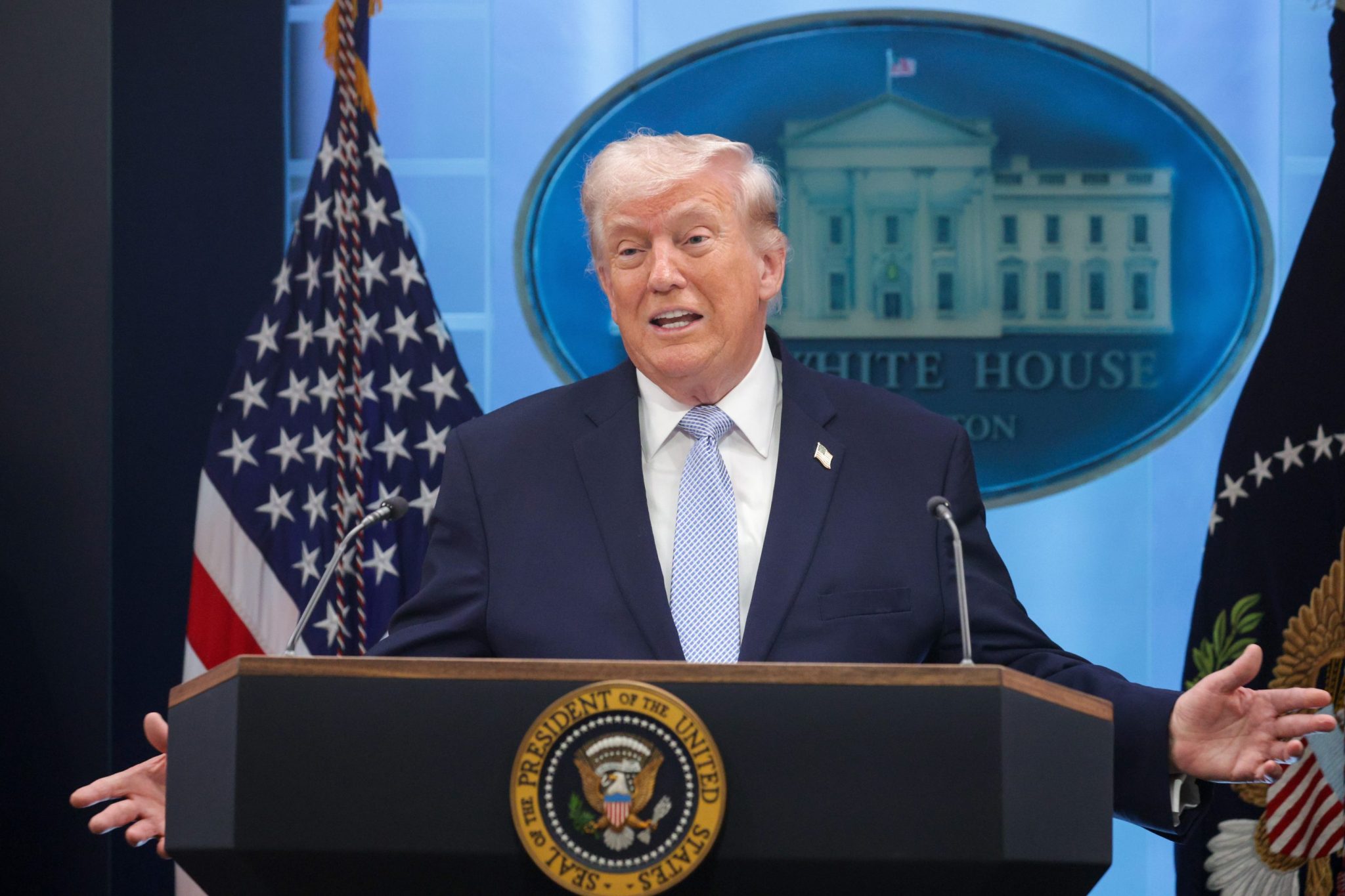
President Donald Trump and Iranian officials both stated that the strait was ready for "full passage." This led many investors to believe the seven-week crisis, which has choked global trade, was finally over. In truth, Iran is still demanding that ships follow specific military orders. These orders might include paying tolls or changing their routes to follow Iranian directions. Experts say the market overreacted to the news because the passage is still effectively closed to most commercial traffic.
Important Numbers and Facts
- 20% of Global Trade: This narrow passage handles about one-fifth of the world's crude oil, liquefied natural gas, and fertilizer.
- Oil Prices: Benchmark crude prices fell below $90 per barrel immediately after the announcement.
- Seven Weeks: The strait has been largely closed for nearly two months, creating the largest supply shock in history.
- Stuck Vessels: Major shipping companies, such as Hapag-Lloyd, still have multiple large ships waiting in the Persian Gulf, unable to move safely.
Background and Context
The Strait of Hormuz is a narrow stretch of water that connects the Persian Gulf to the rest of the world's oceans. It is the most important "chokepoint" for the global energy industry. If ships cannot pass through safely, the world faces a massive shortage of fuel and chemicals used for farming. For the past seven weeks, tensions between the U.S., Israel, and Iran have kept the area dangerous. A recent ceasefire between Israel and Lebanon has helped lower these tensions, but a final agreement between the U.S. and Iran has not been signed yet.
Public or Industry Reaction
Shipping companies and insurance providers are staying very cautious. Nils Haupt, a spokesperson for the German shipping giant Hapag-Lloyd, stated that their top priority is the safety of their crews and cargo. They are waiting for clear orders and proof that the waters are safe before they tell their ships to move. Similarly, the Norwegian Shipowners’ Association noted that issues like sea mines and insurance coverage remain "unresolved." Until insurance companies agree to cover the ships, most captains will refuse to enter the strait.
What This Means Going Forward
The next few days are critical. Analysts believe a temporary peace deal could be reached as early as this weekend. President Trump has said that the U.S. blockade will stay in place until a deal is "100% complete." Meanwhile, Iran is reportedly working to remove sea mines from the water, though this has not been confirmed by independent sources. If a deal is signed, it will take several more days for shipping schedules to return to normal and for the backlog of ships to clear out of the Gulf.
Final Take
While the news of an "open" strait is a positive sign, it is currently more of a political statement than a reality. The world is eager for energy prices to drop and for trade to resume, but words alone cannot clear a path for giant tankers. True progress will only be seen when the first ships successfully pass through the strait without military interference or the fear of hidden mines.
Frequently Asked Questions
Is the Strait of Hormuz actually open for ships?
Not yet. While leaders say it is open, shipping companies are still waiting for safety guarantees and clear military instructions before they move their vessels.
Why did oil prices drop if the strait is still closed?
Oil prices dropped because the market reacted to the positive news from the White House and Iran. Investors hope that a peace deal is coming soon, which would lower the cost of oil.
What is stopping the ships from moving right now?
Ships are staying in place due to concerns about sea mines, high insurance costs, and the fact that the U.S. blockade on Iranian ports is still active.