

Summary
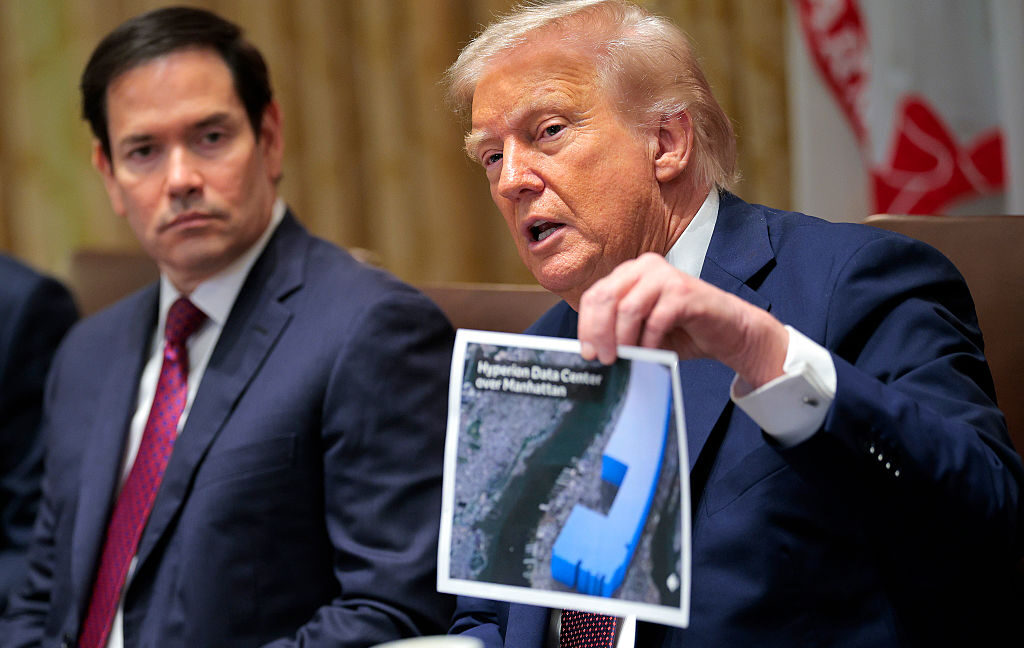
President Donald Trump is facing a major setback in his plan to make the United States a leader in artificial intelligence. Last year, he signed several orders to speed up the building of large AI data centers to compete with China. However, his own trade policies are now getting in the way of these projects. High taxes on imported goods, known as tariffs, have made it difficult and expensive to get the parts needed for construction. As a result, many of the planned data centers are being delayed or stopped entirely.
Main Impact
The primary impact of this situation is a significant slowdown in the American tech industry. Data centers are the backbone of modern technology, providing the power and space needed to run advanced AI programs. Without these facilities, the U.S. risks falling behind other countries in the race to develop new software and tools. The conflict between trade goals and technology goals has created a bottleneck that is hurting developers and tech companies across the country.
Key Details
What Happened
The president made AI infrastructure a top priority, claiming it was necessary for national security. He wanted to see a rapid buildout of massive facilities filled with powerful computers. At the same time, the administration has pushed for aggressive tariffs on goods coming from China. Because China is a major producer of the electrical equipment needed for these buildings, the two policies are now clashing. Developers are finding that they cannot afford the parts they need, or they simply cannot find enough of them to finish their projects.
Important Numbers and Facts
Recent reports indicate that nearly 50% of the data centers planned for this year are expected to face delays or cancellations. This is a huge portion of the industry that is now at a standstill. The specific items in short supply include transformers, switchgear, and large-scale batteries. These components are essential for managing the massive amounts of electricity that AI computers consume. Without this hardware, a data center is just an empty building that cannot function.
Background and Context
To understand why this matters, it helps to know what a data center actually does. These are giant warehouses filled with thousands of computer servers. AI requires much more power than a standard website or email service. Because of this, these buildings need specialized electrical systems to keep the machines running and cool. For decades, the global supply chain has relied on China to manufacture these heavy-duty electrical parts because they can do it quickly and at a lower cost.
The U.S. government wants to move manufacturing away from China to be more independent. However, building new factories in the U.S. to make these parts takes many years. In the meantime, the AI industry still needs those parts today. By putting high taxes on Chinese imports before American factories are ready, the government has made it very hard for tech companies to move forward with their plans.
Public or Industry Reaction
Industry experts and developers are expressing frustration with the current situation. Many feel that the government is sending mixed signals. On one hand, they are being told to build as fast as possible to beat China. On the other hand, the tools they need to build are being taxed so heavily that the projects are no longer affordable. Some business leaders have pointed out that these tariffs are acting like a "self-inflicted wound" that helps China by slowing down American progress.
What This Means Going Forward
If the administration does not change its approach, the U.S. may see a long period of slow growth in the tech sector. There are a few possible paths forward. The government could grant special exceptions for electrical equipment, allowing these parts to enter the country without high taxes. Alternatively, they could provide massive subsidies to help American companies build these parts locally, though that would take a long time to show results. If no changes are made, the goal of winning the AI race may become much harder to achieve, as other nations continue to build their infrastructure without these supply chain hurdles.
Final Take
Building the future of technology requires a clear and consistent plan. While the goal of being independent from foreign suppliers is understandable, doing so too quickly can cause major problems for critical industries. For the U.S. to stay ahead in the world of artificial intelligence, the government must find a way to balance its trade concerns with the practical needs of the companies building the infrastructure of tomorrow. Without a steady supply of parts, even the most ambitious plans will remain unfinished.
Frequently Asked Questions
Why are AI data centers being delayed?
They are being delayed because developers cannot get the electrical parts they need, like transformers and batteries. High taxes on imports from China have made these parts too expensive or hard to find.
What are tariffs and how do they affect tech?
Tariffs are taxes a government puts on goods coming from other countries. In the tech world, these taxes make the hardware needed to build computers and data centers much more expensive, which slows down construction.
Can the U.S. just make these parts at home?
The U.S. is trying to build more factories to make these parts, but it takes a long time to set up these facilities. Right now, the country still relies heavily on international suppliers for large-scale electrical equipment.