
Summary
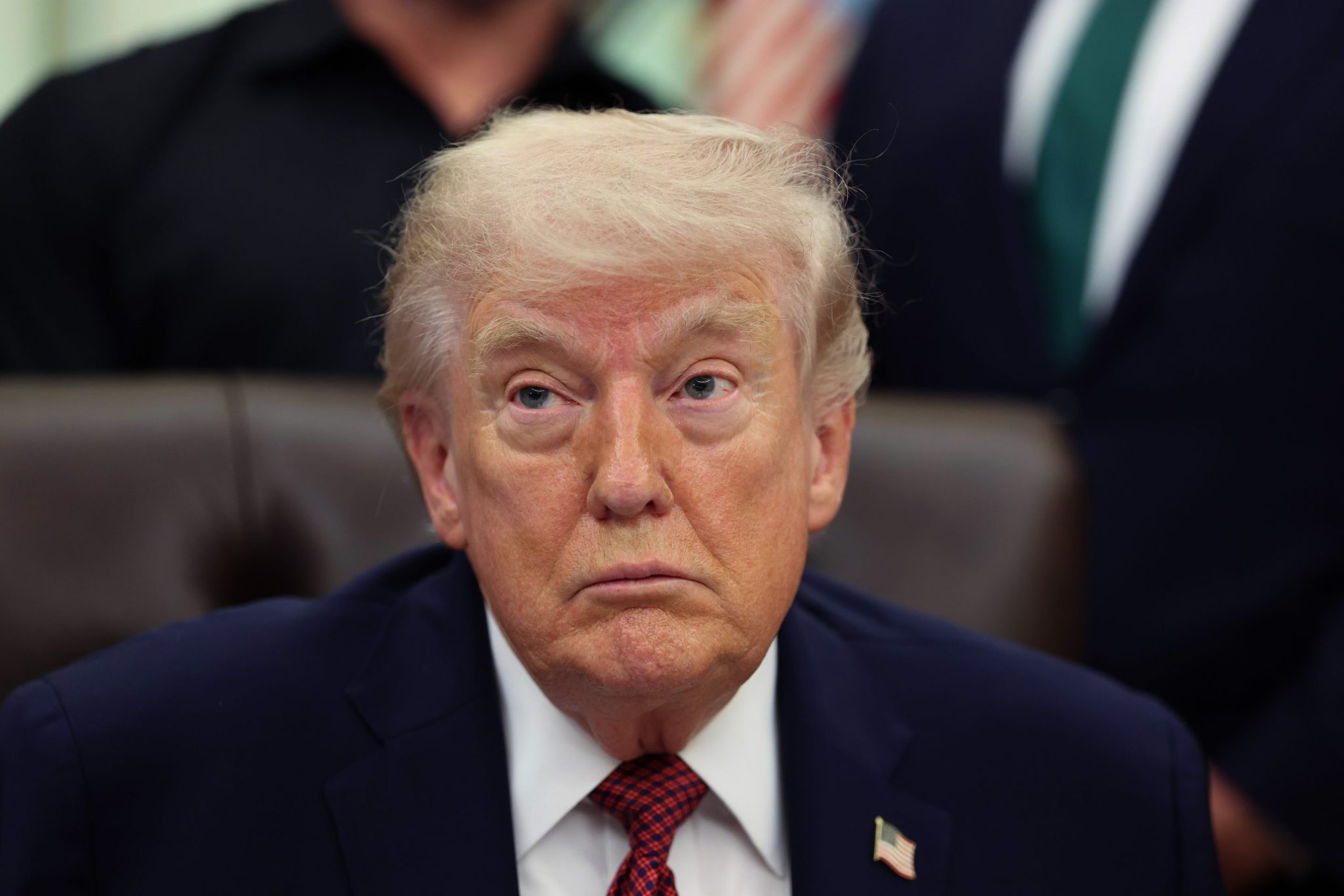
President Donald Trump is facing criticism from his own staff over his social media activity. Officials within the administration are worried that his posts on Truth Social are making it harder to reach a peace deal with Iran. As a key deadline for a ceasefire approaches, these internal leaks suggest a growing divide between the president and his advisors. The situation has created confusion in international diplomacy and caused significant swings in the global oil market.
Main Impact
The primary concern is that the president’s public comments are ruining the trust needed for sensitive talks. Negotiators from the United States, Israel, and Iran are trying to finalize a lasting ceasefire, but the president’s habit of sharing private details or making threats online is slowing down the process. This has led to a situation where Iranian officials are publicly pushing back against the president's claims, making a final agreement much harder to reach before the Wednesday deadline.
Key Details
What Happened
In recent days, the president has used social media to discuss the specifics of ongoing negotiations. During phone calls with reporters and in long posts on Truth Social, he claimed that Iran had agreed to stop its nuclear program completely. However, Iran quickly denied this, saying no such agreement exists. This back-and-forth has made it difficult for diplomats to know what is actually being decided behind closed doors.
Important Numbers and Facts
The president shared a series of posts on Monday that were over 900 words long. These messages talked about past wars, the economic cost of blockades, and specific military operations like "Midnight Hammer." Outside of politics, these posts have had a massive effect on the economy. Experts at the FT Commodities Global Summit noted that oil and gas prices have become 300% more volatile because traders are constantly watching the president’s social media feed for news. Additionally, a recent poll shows that only 36% of Americans support continued military strikes against Iran, while 51% believe the president’s mental focus has declined over the last year.
Background and Context
This situation feels very familiar to those who remember the president’s first term in 2016. Back then, staff members frequently leaked information to the press to complain that the president would not follow their advice. In 2026, this pattern seems to be repeating. Political experts say that even loyal staff members are now talking to reporters because they are worried about how the Iran conflict is being handled. They describe a president who acts on impulse rather than following a set plan, which makes it hard for the government to speak with one voice.
Public or Industry Reaction
The reaction to the president’s tactics has been mixed. White House Press Secretary Karoline Leavitt defended the president, saying he is a master negotiator who is playing a "long game." She argued that the U.S. is closer to a deal now than it ever was under previous administrations. On the other hand, Iranian leaders have reacted with anger. Mohammad Bagher Ghalibaf, a high-ranking Iranian official, stated that his country will not negotiate while being threatened. He warned that Iran has its own "cards to play" if the situation turns back into a full-scale war.
What This Means Going Forward
The next few days are critical. If a deal is not reached by the Wednesday deadline, the current two-week ceasefire could end. The president has already stated that he does not want to extend the ceasefire just to keep talking. In a recent interview, he even said he "expects to be bombing" if a deal is not made quickly. This aggressive stance puts a lot of pressure on the negotiators. If they fail, the region could see a return to heavy fighting, which would likely cause oil prices to rise even further and decrease public support for the war at home.
Final Take
The tension between the president’s social media habits and his administration’s diplomatic goals has reached a breaking point. While his supporters see his posts as a clever way to pressure enemies, his own staff and international partners see them as a major obstacle to peace. Whether this "negotiation by social media" works or leads to more conflict will be decided in the coming hours. The world is watching to see if a deal can survive the president's next post.
Frequently Asked Questions
Why are Trump’s posts a problem for the peace talks?
His posts often contain details that are supposed to be private or claims that the other side has not agreed to yet. This creates mistrust and makes it hard for negotiators to have honest conversations.
How is the oil market reacting to the news?
The market is very unstable. Because the president’s posts can change the outlook of the war in seconds, oil prices have been jumping up and down by huge amounts, making it hard for businesses to plan ahead.
What happens if no deal is reached by Wednesday?
The president has indicated that he is ready to resume military action. Without an extension of the ceasefire, the U.S. could begin bombing targets in Iran again very soon.