

Summary
Farmers in Punjab are facing a difficult situation as unexpected rain and strong winds have hit the region. This weather change has put the wheat crop at high risk just as it was nearing the harvest stage. While the rain brought a drop in temperature for local residents, it has caused deep worry for the agricultural community. These weather events follow a series of earlier losses in other crops, making the financial pressure on farmers even worse.
Main Impact
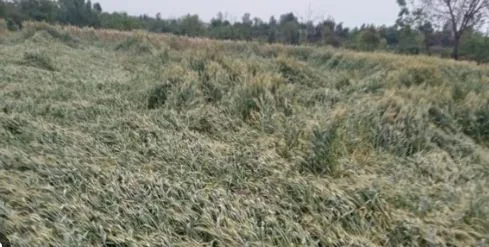
The primary impact of this untimely weather is the physical damage to the standing wheat plants. Strong winds combined with heavy rain cause a problem known as lodging, where the tall wheat stalks are flattened against the ground. Once the crop falls over, it becomes much harder to harvest using machines. Additionally, the excess moisture can ruin the quality of the grain, leading to lower prices for farmers when they finally go to market.
Key Details
What Happened
Over the last few days, the weather in Punjab shifted from sunny to cloudy with sudden bursts of rain and high-speed winds. This change happened at a critical time for the wheat crop, which needs dry and warm conditions to ripen properly. Farmers reported that the wind was strong enough to knock down large sections of their fields. In areas where the rain was heavy, water began to collect in the fields, creating a condition called waterlogging that can rot the roots and stems of the plants.
Important Numbers and Facts
Agricultural experts and farmer leaders have pointed out several specific problems caused by this weather:
- Grain Quality: The rain is expected to cause shriveled grains, which means the wheat will be smaller and less nutritious.
- Discoloration: Excess moisture often turns the golden wheat grains dark or black, which reduces their market value.
- Previous Losses: This is not the first setback this year. Farmers have already seen lower yields in paddy, maize, potatoes, peas, and sugarcane.
- Weather Forecast: Experts from the Punjab Agricultural University (PAU) have warned that these conditions may continue for another 24 hours before the skies clear up.
Background and Context
Punjab is often called the breadbasket of India because it produces a huge portion of the country's wheat and rice. The wheat crop is usually planted in the winter and harvested in the spring. For a successful harvest, farmers need the weather to stay dry during the final weeks. When it rains in late March or early April, it disrupts the natural drying process of the grain. This year has been particularly tough because the farming community was already struggling with poor harvests from the previous season. Many farmers take loans to buy seeds and fertilizer, and they rely on a good wheat harvest to pay back those debts.
Public or Industry Reaction
Farmer leaders have been vocal about the potential disaster. Balbir Singh Rajewal, a well-known figure in the farming community, explained that the combination of clouds and wind is a "worst-case scenario" for the plants. He noted that the lack of sunlight prevents the crop from maturing, while the wind physically destroys the foliage. Individual farmers, like Harjinder Singh Samra, have expressed frustration over the timing of the rain. They mentioned that even if the rain stops now, the harvest will be delayed by several days or even weeks as they wait for the ground to dry out enough for heavy machinery to enter the fields.
What This Means Going Forward
The next few days are critical for the agricultural sector in Punjab. If the weather clears up as predicted by agronomists, some of the standing crop may be saved. However, the wheat that has already been flattened by the wind will likely see a significant drop in yield. This could lead to a shortage of high-quality seeds for next year and lower income for thousands of families. Government agencies may need to step in to assess the damage and decide if financial help or compensation is necessary for those who have lost their livelihood to the storm.
Final Take
The situation in Punjab highlights how vulnerable farming is to sudden weather changes. Even with modern technology, a single day of heavy wind and rain can wipe out months of hard work. As the climate becomes more unpredictable, farmers will need better support systems and more resilient crop varieties to survive these types of natural challenges. For now, the focus remains on the sky, hoping for the sun to return and save what is left of the season's harvest.
Frequently Asked Questions
Why is rain bad for wheat right before harvest?
Rain at this stage makes the grain too wet, which can cause it to change color, shrivel, or even start growing sprouts while still on the stalk. It also makes the ground too soft for harvesting machines.
What does "lodging" mean in farming?
Lodging is when strong winds or heavy rain knock over the tall stalks of a crop like wheat. When the plants lie flat on the ground, they are difficult to cut and are more likely to rot from the moisture in the soil.
Will this affect the price of wheat?
It is possible. If a large amount of the crop in Punjab is damaged, the supply of high-quality wheat might go down, which can sometimes lead to higher prices in the local markets.