
Uttar Pradesh has recorded 25% below-normal rainfall so far this monsoon season, raising serious concerns among farmers about soil moisture and crop sowing in the state's rain-fed agricultural regions, particularly in the eastern districts.
Rainfall Deficit Details Across UP
According to the India Meteorological Department (IMD), the state received 258.6 mm of cumulative rainfall between June 1 and July 29, against the normal 342.8 mm. This results in a seasonal deficit of 25 per cent.
The shortfall has been more severe in East Uttar Pradesh, which recorded 252.8 mm of rainfall against the normal 370.4 mm — a deficit of 32 per cent. Several districts, including Bhadohi, Deoria, Jaunpur, Kanpur Dehat, Kaushambi, Kushinagar, Rae Bareli, Sant Kabir Nagar and Sitapur, have reported rainfall deficits exceeding 50 per cent.
Impact on Farmers and Crop Sowing
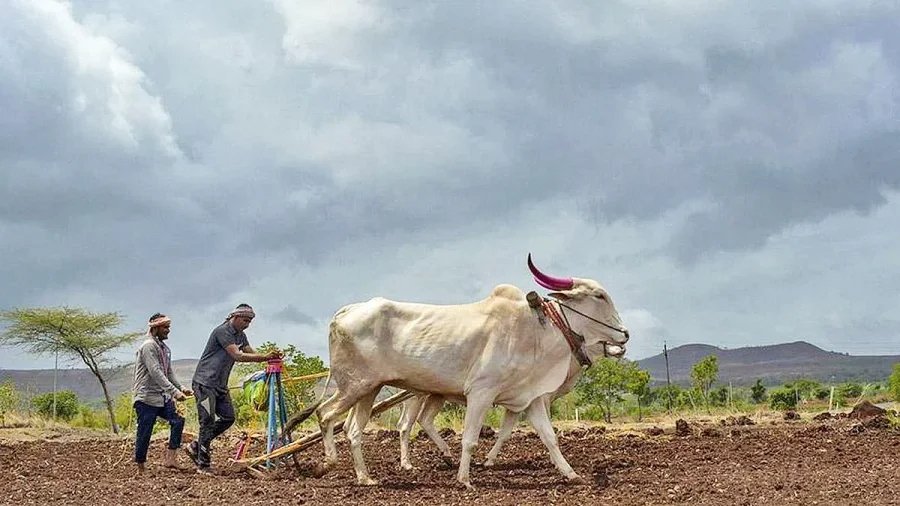
The below-normal rainfall is particularly alarming for farmers in rain-fed agricultural regions who depend entirely on monsoon rains for soil moisture and crop sowing. The deficit threatens paddy sowing and other kharif crops in these areas.
In contrast, West Uttar Pradesh received comparatively better rainfall, though the overall state picture remains concerning for agricultural output.
Our Take: A Growing Concern for UP's Agriculture
This rainfall deficit is not just a number — it directly affects the livelihoods of millions of farmers in Uttar Pradesh who rely on the monsoon for their crops. With several districts facing deficits of over 50%, the situation demands urgent attention from agricultural authorities. While the monsoon season is not over, the window for timely sowing is narrowing. Farmers in rain-fed areas need clear guidance and support to manage this shortfall.