

The West Bengal Legislative Assembly passed the West Bengal Public Safety and Control of Anti-Social Activities Bill, 2026 on Monday, 29 June after a heated debate. The Bill, already being called the 'anti-gunda (rowdy)' Bill in local language, has sparked strong reactions from both sides.
What the Anti-Rowdy Bill Proposes
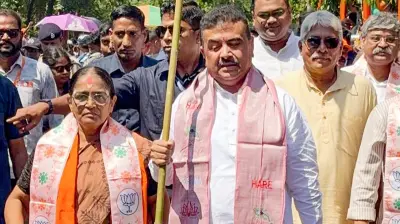
The BJP government defended the Bill as a necessary measure to curb anti-social activities in the state. According to the original story, the government argued that the Bill is needed to maintain public safety and control rowdy elements that threaten law and order.
Opposition Fears Over Police Powers
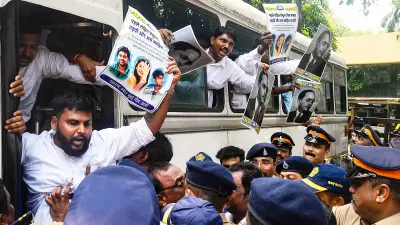
Opposition legislators strongly criticized the Bill. They warned that it could become a tool to suppress dissent, enable arrests based on suspicion, and grant sweeping powers to the police. The Opposition compared the Bill to the colonial-era Rowlatt Act, which allowed detention without trial.
The discussion also covered the West Bengal Maintenance of Public Order (Amendment) Bill, with members from the treasury benches and Opposition presenting sharply contrasting views.
Key Criticism from Indian Secular Front MLA
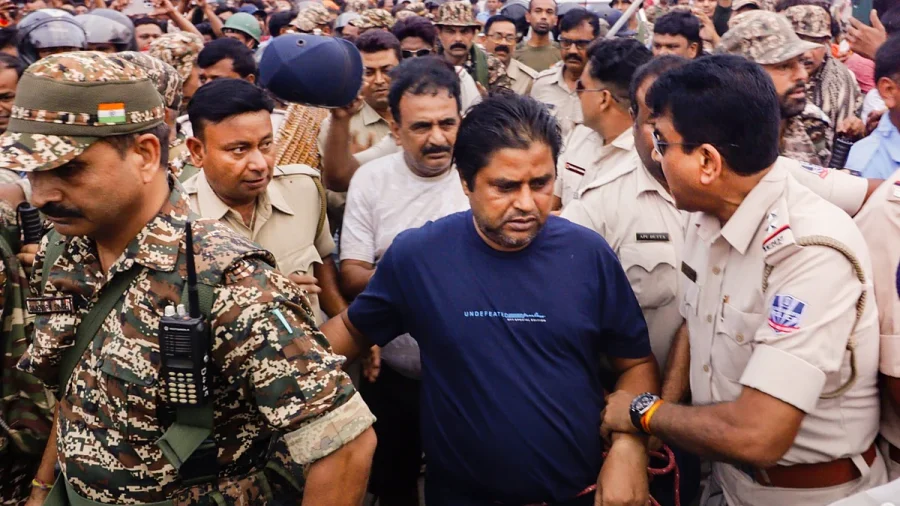
Leading the criticism was Indian Secular Front MLA Naushad Siddique, who made it clear that the Bill could be misused against political opponents and ordinary citizens. His remarks highlighted the deep divide between the ruling party and the Opposition over the Bill's intent and implementation.
Our Take: A Bill That Needs Scrutiny
In our view, the Anti-Rowdy Bill raises serious questions about civil liberties. While the government's intent to control anti-social activities is understandable, the Opposition's fears about a 'police state' cannot be dismissed lightly. Any law that gives sweeping powers to the police must have strong safeguards to prevent misuse. The comparison to the Rowlatt Act may seem extreme, but history shows that laws designed for public safety can easily become tools of oppression. The people of West Bengal deserve a law that balances security with freedom — and this Bill, as passed, may not achieve that balance.