
Summary
Political campaigning in West Bengal and Tamil Nadu officially ended on Tuesday, April 21. After weeks of loud rallies and strong speeches, candidates have made their final appeals to voters. Both states are now preparing for the actual voting day on April 23. This election is seen as a major test for both local parties and national leaders, with high security in place to ensure a peaceful process.
Main Impact
The end of the campaign marks a shift from public speeches to the quiet preparation for voting. In West Bengal, the fight is a direct contest between the ruling party and the main opposition from the central government. In Tamil Nadu, the battle involves traditional rivals and new parties led by famous figures. The results in these states will likely influence national politics and show how much support the current government has in different parts of the country.
Key Details
What Happened
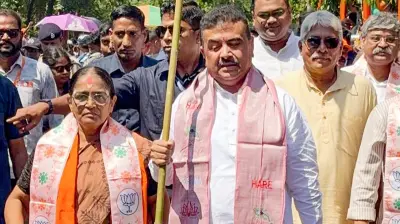
In West Bengal, the first phase of voting will focus on 152 areas in the northern and southern parts of the state. The campaign was marked by very strong language. Leaders from the Bharatiya Janata Party (BJP) and the Trinamool Congress (TMC) traded accusations over issues like safety, corruption, and how the state is run. The BJP wants to take control of the state for the first time, while the TMC wants to keep its power for a fourth term.
In Tamil Nadu, all 234 voting areas will go to the polls at the same time. The campaign ended at 6 p.m. on Tuesday, starting a 48-hour "silent period." During this time, no one is allowed to hold rallies or use loudspeakers. The main fight is between two large groups of parties, but a new party started by a popular actor has made the race more complicated this year.
Important Numbers and Facts
The scale of these elections is massive. In West Bengal, about 3.60 crore people are eligible to vote in this first phase. This includes 1.84 crore men and 1.75 crore women. To keep things safe, the government has sent 2.5 lakh security personnel to the state. They have identified over 8,000 voting stations as "sensitive," meaning they need extra protection.
Tamil Nadu has even more voters, with over 5.73 crore people expected to participate. There are 4,023 candidates running for seats in the state assembly. This shows how many people want a chance to lead the state government.
Background and Context
West Bengal and Tamil Nadu are very important in Indian politics because they have large populations and strong local identities. In West Bengal, the ruling TMC party has been in power for a long time. The BJP has been working hard to grow its influence there, leading to a very intense rivalry. Common topics during the campaign included how to handle borders and how to protect local culture.
In Tamil Nadu, politics usually revolves around two main local parties. However, this year, the central government's role in state affairs became a major talking point. One big issue was "delimitation," which is the process of redrawing the borders of voting areas. Local leaders worry that this process might reduce the political power of states that have successfully managed their population growth.
Public or Industry Reaction
The public has seen a lot of activity from top national leaders. Prime Minister Narendra Modi and Home Minister Amit Shah traveled to both states many times. They promised better growth and less corruption. On the other side, local leaders like Mamata Banerjee and M.K. Stalin told voters that they are the best choice to protect the interests of their specific states. Many voters are concerned about safety on voting day, especially in areas where political groups have clashed in the past.
What This Means Going Forward
Now that the speeches have stopped, the focus is on the Election Commission. They must ensure that millions of people can vote without fear or trouble. The large number of security forces in West Bengal shows how serious the risks are. After the voting on April 23, the focus will shift to the counting of the ballots. The winners will decide the laws and budgets for these states for the next five years. If the ruling parties lose, it could signal a big change in how the country is governed.
Final Take
These elections are about more than just choosing local leaders. They represent a battle of ideas between local pride and national goals. With millions of voters ready to head to the polls, the next few days will be critical for the future of West Bengal and Tamil Nadu. The high security and intense interest from across the country show just how much is at stake for everyone involved.
Frequently Asked Questions
When is the voting taking place?
Voting for both West Bengal and Tamil Nadu is scheduled for April 23. In West Bengal, this is just the first phase of the election, while Tamil Nadu will vote for all its seats at once.
What is a "silent period" in an election?
A silent period is a 48-hour window before voting begins. During this time, candidates and parties are not allowed to hold public rallies, use loudspeakers, or campaign in public to give voters a quiet time to make their final decision.
Why is there so much security in West Bengal?
The government has deployed 2.5 lakh security personnel because there have been concerns about political violence and safety. Extra guards are placed at "sensitive" polling stations to make sure everyone can vote safely.