
Summary
The first phase of the West Bengal Assembly elections saw a record-breaking 90 percent voter turnout on April 23, 2026. Despite extreme heat reaching 40 degrees Celsius, voters across 152 constituencies came out in large numbers. The day was marked by reports of violence, technical problems with voting machines, and heated arguments between political parties. This high turnout is much higher than the 82 percent seen in the 2021 elections, showing how important this vote is for the people of the state.
Main Impact
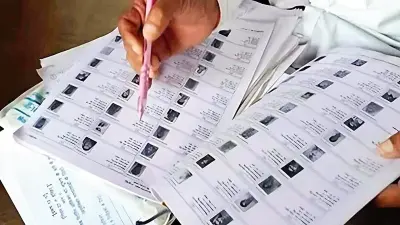
The massive turnout suggests a very intense political battle between the ruling Trinamool Congress (TMC) and the Bharatiya Janata Party (BJP). Many experts believe the high number of voters is linked to a recent and controversial update to the voter lists. Because nearly 10 percent of voters were removed from the rolls during a special review, many people felt they had to show up to ensure their voices were still heard. This energy at the polling booths could change the expected results for many seats.
Key Details
What Happened
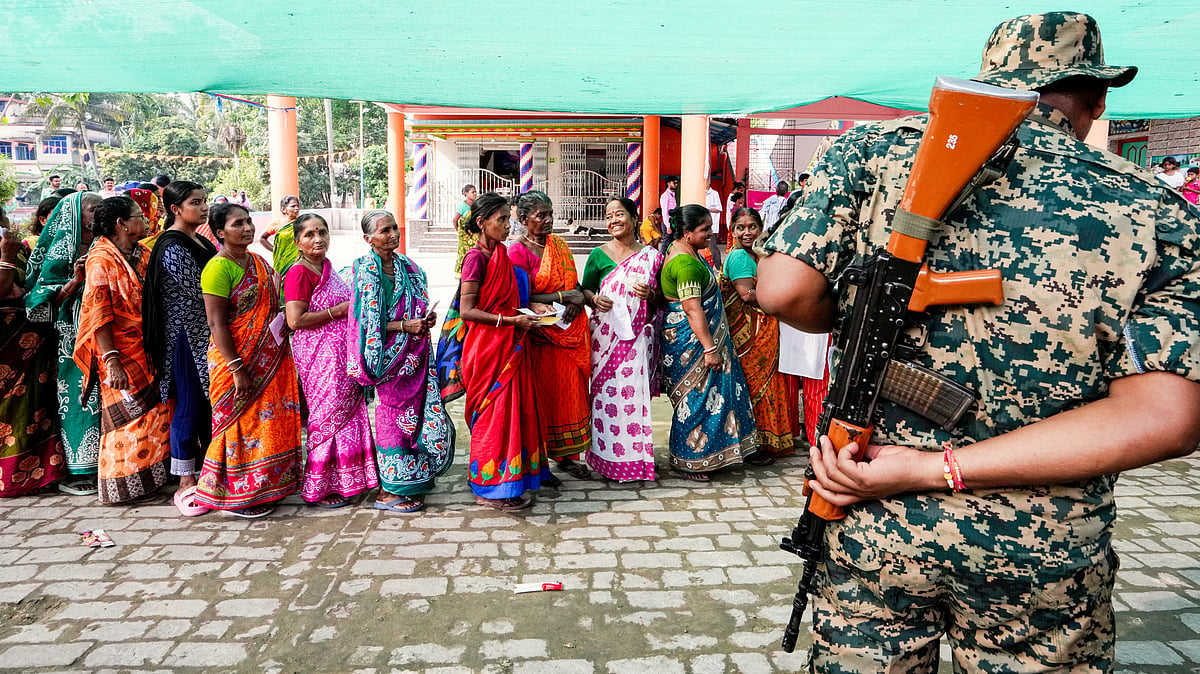
Voting took place across a wide variety of areas, from the northern hills to the southern plains. While many people waited in long lines, the day was not peaceful everywhere. There were many reports of clashes between supporters of different parties. In some places, security forces had to use batons to control the crowds. Additionally, more than 700 formal complaints were filed with the Election Commission regarding intimidation and unfair practices.
Important Numbers and Facts
The Election Commission reported that 90 percent of eligible voters cast their ballots. This phase covered 152 out of the state's total seats. To keep order, a large number of central security forces were sent to sensitive districts like Murshidabad and Cooch Behar. Despite these efforts, technical issues were a major problem. In one booth in Baharampur, four different voting machines failed one after another, leaving many people unable to vote for hours.
Background and Context
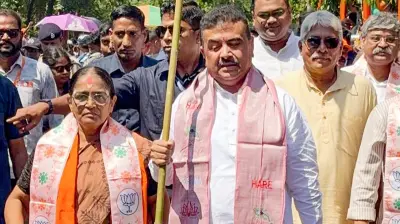
This election is a major test for Chief Minister Mamata Banerjee and her party, the TMC. They are trying to win a fourth term in a row by focusing on their social welfare programs. On the other side, the BJP is trying to take power by criticizing the current government and focusing on national identity issues. The Left Front and the Congress party are also trying to regain their influence in specific rural and religious areas. The recent removal of millions of names from the voter list added a layer of fear and urgency to this year's voting process.
Public or Industry Reaction
Political leaders from all sides are claiming they will win based on the high turnout. Prime Minister Narendra Modi suggested that the large number of voters shows people want a change in government. Meanwhile, Mamata Banerjee argued that the turnout proves people are happy with her welfare schemes and are voting against the central government's policies. Local voters expressed a mix of frustration and determination. Some elderly voters mentioned they waited for hours in the sun because they were afraid their right to vote might be taken away if they stayed home.
What This Means Going Forward
The high level of tension in the first phase suggests that the rest of the election will be just as volatile. The second phase of voting is scheduled for April 29, covering another 142 seats. The Election Commission will likely face pressure to fix the technical issues with the voting machines before then. Security will also remain a top priority to prevent more violence. All eyes are now on May 4, which is when the final votes will be counted and the winner will be announced.
Final Take
The record turnout in West Bengal shows that democracy is very active in the state, but it also highlights deep divisions and fears among the public. Whether the high numbers favor the current government or the opposition remains to be seen. What is clear is that the people of Bengal are highly motivated to decide their own future, even in the face of heat, technical failures, and physical danger.
Frequently Asked Questions
Why was the voter turnout so high in West Bengal?
The 90 percent turnout was driven by intense political competition and voter anxiety. Many people wanted to ensure their names were still valid on the voter list after a controversial update removed many residents from the rolls.
What were the main problems during the first phase of voting?
The main issues included extreme heat, frequent failures of electronic voting machines (EVMs), and several reports of violence and clashes between rival political groups in different districts.
When will the final election results be known?
After the remaining phases of voting are completed, the official counting of the votes will take place on May 4, 2026.