
Summary
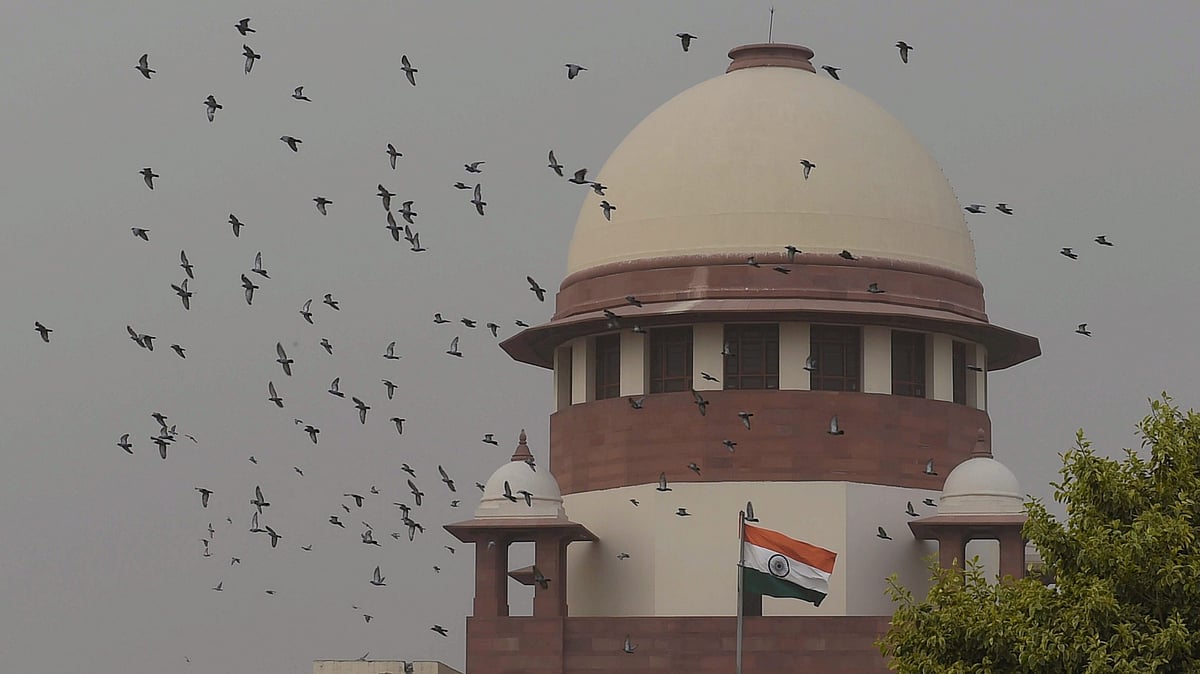
The Supreme Court of India has raised serious questions about a new law used to pick the country’s top election officials. On Thursday, the court asked why a government minister is included in the three-person team that chooses the Chief Election Commissioner. The judges believe that for the public to trust elections, the process of picking leaders must look fair and neutral. This case is important because it looks at whether the government has too much power over the group that runs national elections.
Main Impact
The main issue in this case is the balance of power within the Election Commission. Under the current law passed in 2023, the selection panel consists of the Prime Minister, a Cabinet Minister, and the Leader of the Opposition. This means the government holds two out of the three votes. Critics argue that this setup allows the ruling party to choose whoever they want, which could hurt the independence of the commission. The Supreme Court’s questions suggest they are worried about how the public views this process.
Key Details
What Happened
A bench of judges, including Justice Dipankar Datta and Justice S. C. Sharma, heard several petitions against the 2023 law. During the hearing, the judges pointed out that it is not enough for an election official to act independently after they are hired. Instead, the way they are hired must also look independent from the start. The court asked why a neutral person, like a judge, was not included in the panel instead of a politician from the ruling party.
Important Numbers and Facts
The law being challenged is the Chief Election Commissioner and Other Election Commissioners Act of 2023. This law changed the rules for how the three-member panel is formed. Before this law, the Supreme Court had suggested a different mix of people to ensure fairness. The current legal fight focuses on Article 14 of the Constitution, which guarantees equality before the law. The petitioners argue that the new law treats the selection process unfairly by giving the executive branch of government the final say.
Background and Context
To understand this case, we have to look back at a 2023 court ruling called the Anoop Baranwal case. At that time, there was no specific law explaining how to pick election commissioners. The Supreme Court stepped in and said the panel should include the Prime Minister, the Leader of the Opposition, and the Chief Justice of India. They chose the Chief Justice because that person is seen as a neutral figure who does not belong to any political party.
However, shortly after that ruling, the government passed a new law in Parliament. This law removed the Chief Justice of India from the panel and replaced them with a Union Cabinet Minister. This move effectively gave the government a majority in the selection process. Many people and groups felt this went against the spirit of the court's earlier advice to keep the process neutral.
Public or Industry Reaction
The government, represented by the Attorney General, argued that the law is a policy choice made by Parliament. They believe the court should not change laws made by elected officials. They also asked for a larger group of five judges to hear the case, saying it is a very complex legal matter. The government maintains that an official's independence should be judged by their work, not by who picked them.
On the other side, groups like the Association for Democratic Reforms and various lawyers argue that the law is unconstitutional. They believe that if the government picks the person who watches over elections, it creates a conflict of interest. They want the court to ensure that the selection panel is truly balanced so that no single political party can control it.
What This Means Going Forward
The Supreme Court has not made a final decision yet. The hearing will continue next week. If the court decides the law is unconstitutional, the government might have to change how it picks election officials. This could lead to the return of a neutral member, like a judge, to the selection panel. The outcome will set a major rule for how Indian democracy works for years to come. It will decide if the government can keep its current power or if it must share that power to ensure the public feels the system is fair.
Final Take
Fair elections are the foundation of any democracy. If people do not trust the process of picking the leaders who run those elections, they might lose faith in the results. The Supreme Court is now the final guard to decide if the current law protects that trust or if it gives the government too much control over the voting process.
Frequently Asked Questions
Who currently picks the Chief Election Commissioner in India?
Under the 2023 law, a three-member panel picks the commissioner. This panel includes the Prime Minister, a Cabinet Minister chosen by the PM, and the Leader of the Opposition from the Lok Sabha.
Why is the Supreme Court involved in this issue?
Several groups filed petitions claiming the new law is unconstitutional. They argue that because the government has two out of three votes on the panel, the selection process is not neutral or fair.
What was the previous suggestion for the selection panel?
In an earlier ruling, the Supreme Court suggested the panel should include the Prime Minister, the Leader of the Opposition, and the Chief Justice of India to ensure a neutral voice was present.