
Summary
The Assam government has officially introduced the Uniform Civil Code (UCC) Bill in the state assembly. This new law aims to create a single set of rules for marriage, divorce, and property rights for most people in the state, regardless of their religion. The bill focuses on banning the practice of having more than one spouse and makes it mandatory for couples in live-in relationships to register with the government. This move follows similar actions taken by the states of Gujarat and Uttarakhand to change personal laws.
Main Impact
The introduction of this bill marks a major shift in how family law works in Assam. By proposing a ban on polygamy, the state is looking to end a practice that has been part of some personal laws for a long time. Another big change is the legal requirement for live-in relationships. Couples who live together without being married will now have to follow a formal process to let the government know about their status. This is intended to provide legal safety for both partners and any children born from these relationships.
Key Details
What Happened
On Monday, May 25, 2026, Parliamentary Affairs Minister Atul Bora presented "The Uniform Civil Code, Assam, Bill, 2026" to the state assembly. This happened shortly after the state cabinet gave its final approval for the draft. The government plans to hold a full discussion on the bill and move toward passing it on May 27. Chief Minister Himanta Biswa Sarma has been a strong supporter of this law, stating that it will simplify and modernize the legal system for families in the state.
Important Numbers and Facts
The bill sets clear rules for various aspects of family life. For marriage, the minimum age is set at 21 years for men and 18 years for women. To prevent illegal marriages, the law includes a punishment of up to seven years in prison for anyone who uses force, lies, or threats to make someone get married. While the law applies to many, it specifically excludes Scheduled Tribes from both the hills and the plains. This means their traditional customs and rituals will not be changed by this new law. The bill also ensures that daughters receive an equal share of parental property, matching the rights given to sons.
Background and Context
The Uniform Civil Code is a topic that has been discussed in India for many years. Usually, different religious groups follow their own personal laws for things like marriage and inheritance. The UCC aims to replace these different rules with one common law for everyone. Assam is now the third state to move forward with this, following the paths of Uttarakhand and Gujarat. In Uttarakhand, the law was fully put into place in 2025 after receiving approval from the President. The Assam government believes that having one law will make the legal system fairer and easier for everyone to understand.
Public or Industry Reaction
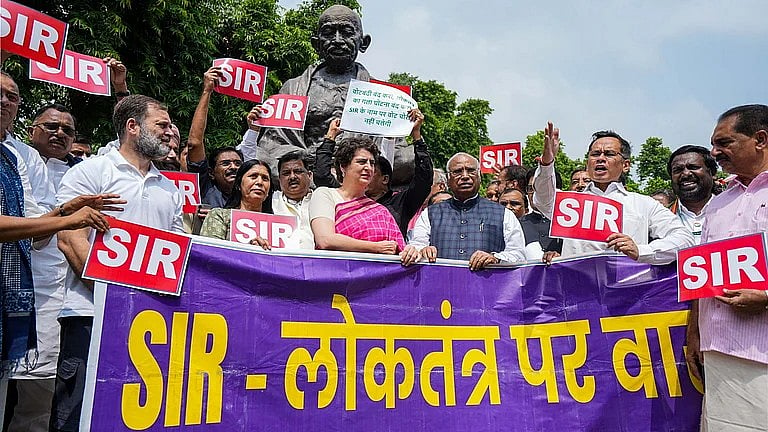
The bill has received mixed reactions from different groups. The ruling BJP party has praised the move, calling it a historic reform that will bring equality to all citizens. They argue that it protects the rights of women and children. However, opposition parties like the Congress, Raijor Dal, and the Trinamool Congress have voiced strong concerns. They believe the government should have talked more with the public and religious leaders before introducing the bill. Some critics have called the law "anti-Muslim" and argue that it interferes with the fundamental right to practice one's religion freely.
What This Means Going Forward
If the bill passes on May 27, Assam will begin the process of setting up the rules for how these laws will be followed. This includes creating a system for registering live-in relationships and ensuring that property disputes are handled according to the new guidelines. There may be legal challenges in the courts as different groups test whether the law respects constitutional rights. Other states in India are also watching Assam closely to see how the public reacts and how the law is managed, which could lead to more states introducing their own versions of the UCC.
Final Take
The introduction of the UCC in Assam is a bold step toward changing the social and legal structure of the state. While it aims to modernize laws and protect individual rights, it also faces significant political and social pushback. The decision to keep tribal groups outside the law shows an attempt to balance modern legal goals with the need to protect ancient traditions. As the debate continues in the assembly, the focus will remain on how these changes will affect the daily lives of millions of people in the region.
Frequently Asked Questions
Does the UCC apply to everyone in Assam?
No. The law specifically excludes Scheduled Tribes (Hills and Plains) to protect their unique traditional customs and rituals. Most other citizens will be covered by the new rules.
What happens if a live-in relationship is not registered?
The bill makes registration mandatory to ensure that the rights of both partners and their children are legally recognized. While specific penalties for not registering are being finalized, the goal is to provide a legal framework for these unions.
What are the new rules for marriage age?
Under the new bill, the legal age for marriage is 18 years for women and 21 years for men. The law also strictly prohibits polygamy, which is the practice of having more than one wife or husband at the same time.