
Summary
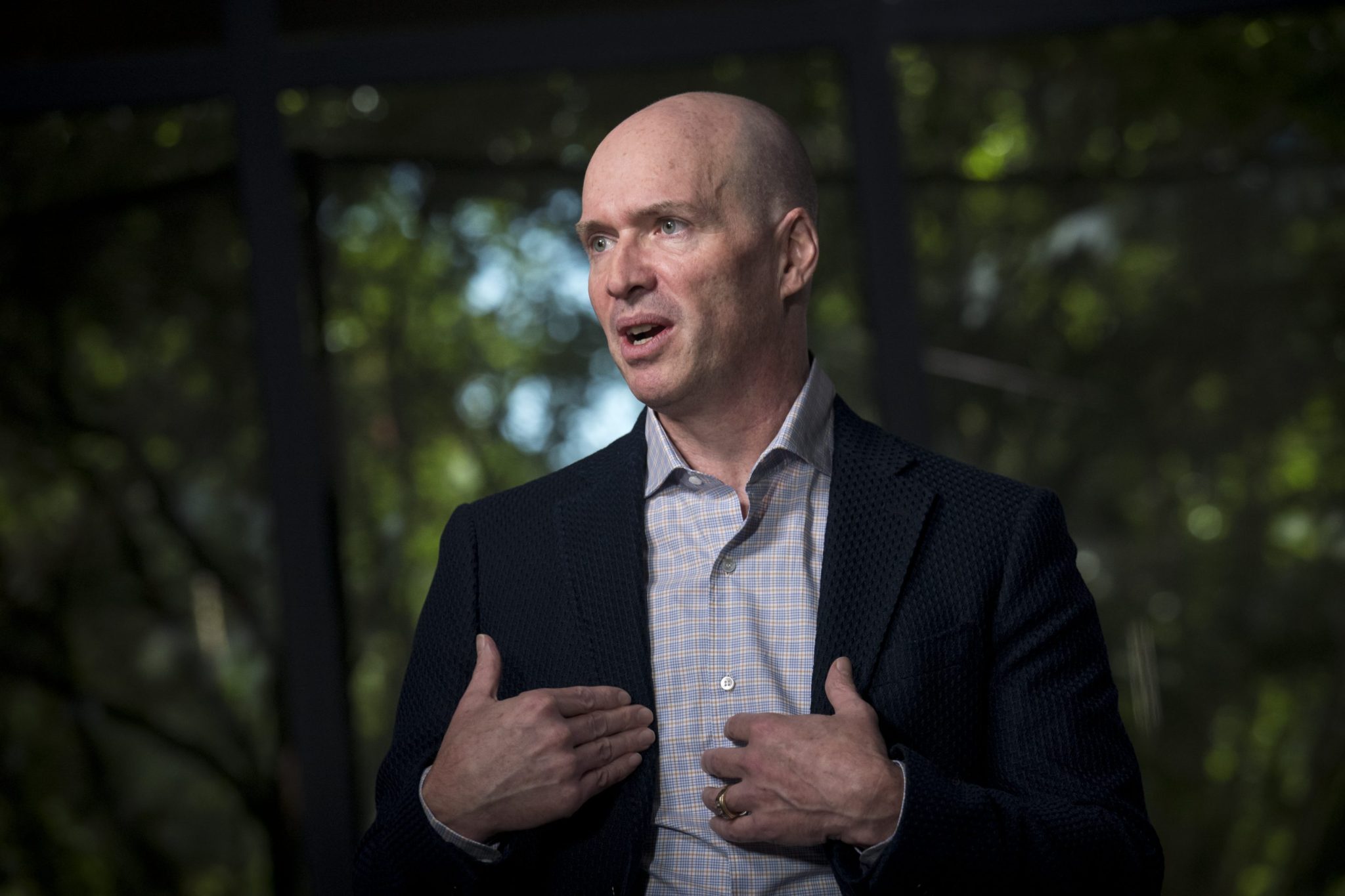
Ben Horowitz, a well-known investor and co-founder of a16z, says there is a major split in how people feel about artificial intelligence. Business leaders are worried they are not moving fast enough to keep up with the rapid changes in technology. At the same time, regular employees are worried that AI will take their jobs or make their skills useless. This gap in feelings is creating a big problem for companies trying to use new tools.
Main Impact
The way businesses compete has changed almost overnight. In the past, a good software company could stay ahead for years because it was hard for others to copy their work. Now, Horowitz warns that those old rules no longer apply. Because AI can write code and move data so easily, a company’s lead can disappear in just a few weeks. This shift is putting massive pressure on CEOs to change how they run their businesses or risk failing completely.
Key Details
What Happened
During a recent conference in Utah, Ben Horowitz explained that the "laws of physics" for business have been rewritten. He noted that the time a company has to stay ahead of rivals has shrunk from years to maybe five weeks. He believes that the two main things that protected software companies—high costs to switch to a rival and the difficulty of building similar tools—are now gone. Anyone with enough computer power can now recreate almost any software product.
Important Numbers and Facts
While bosses are racing to adopt AI, workers are pushing back. Data shows that about 50% of American workers fear AI will take their jobs. This fear has doubled in just one year. Even though companies are spending an average of $54.2 million on digital changes, most employees are not using the new tools. A study found that 80% of workers either avoid AI or do their work manually instead. Only about 10% of employees are using AI in a way that actually helps their work.
Background and Context
This situation is often called "FOBO," which stands for the Fear of Becoming Obsolete. It is different from the normal fear of being fired. Instead, workers are worried that the things they know how to do will simply not matter anymore. When big companies like Oracle and Block announce job cuts and mention AI as a reason, it makes these fears feel very real to everyday staff. For many, AI does not feel like a helpful tool; it feels like a threat to their future.
Public or Industry Reaction
The reaction from workers has been a type of "quiet rebellion." Instead of complaining openly, many are simply ignoring the expensive AI software their companies buy. Experts say this is a natural reaction to feeling unsafe. However, this resistance creates a cycle that hurts the workers. Those who do not learn to use AI may fall behind their peers who do use it. Some data suggests that people using AI can be 10 to 20 times more productive than those who do not, which only makes the risk of job loss higher for those who resist.
What This Means Going Forward
Horowitz remains hopeful about the long-term future. He compares this time to the Industrial Revolution. Back then, most people were farmers, and those jobs went away, but new and better jobs were created that people could not have imagined at the time. However, there is a big risk in the short term. If AI replaces too many people, there might not be enough customers left to buy the products that companies are making. For now, the biggest challenge is not the technology itself, but getting leaders and workers to agree on how to use it.
Final Take
The tension in Silicon Valley shows that technology moves much faster than human comfort. While founders are worried about the speed of the market, workers are worried about their place in the world. Until companies find a way to make their employees feel safe and valued, the massive investments being made in AI may not see the results that leaders expect. The gap between the people at the top and the people doing the work is currently the biggest hurdle to the AI revolution.
Frequently Asked Questions
What is AI anxiety for founders?
It is the fear that technology is moving so fast that a business can become outdated in just a few weeks if the leaders do not act quickly enough.
What does FOBO mean?
FOBO stands for Fear of Becoming Obsolete. It is the worry workers have that their skills will no longer be needed because of artificial intelligence.
Are workers actually using AI tools?
No, recent studies show that about 80% of workers are either avoiding AI tools or choosing to do their tasks manually, even when the tools are available.