
Summary
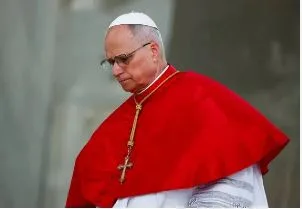
President Donald Trump is facing strong criticism from Catholic leaders across the United States. This backlash follows a series of public insults directed at Pope Leo XIV. The disagreement started after the Pope spoke out against the President's military plans regarding Iran. Catholic bishops and religious organizations warn that these attacks could alienate a large group of voters who supported the President in the last election. This conflict is creating a divide between the government and religious authorities at a critical time.
Main Impact
The primary impact of this dispute is the potential loss of support from Catholic voters. In the 2024 election, this group was a major part of the President's victory. By attacking the head of the Catholic Church, the President risks pushing away people who see the Pope as a moral authority. Religious leaders who often remain neutral are now publicly condemning the President's language. This shift could change how religious communities vote in the upcoming midterm elections, which are very important for the Republican Party.
Key Details
What Happened
The tension began when Pope Leo XIV criticized the President’s plan to target civilian buildings in Iran. The Pope called these plans "unacceptable" and urged world leaders to stop fighting and seek peace. President Trump responded on social media by calling the Pope "weak on crime" and describing his views as too liberal. The President also claimed that the Pope should be grateful to him, suggesting that his own presence in the White House was the reason the Pope held his position in the Vatican.
The AI Image Controversy
As the argument continued, the President shared a computer-generated image that showed him as a figure similar to Jesus Christ. Many Catholic groups found this image offensive. They called it a "sacrilege," which means treating something holy with a lack of respect. Although the post was later taken down, the damage was already done. Religious groups stated that the President was moving beyond politics and insulting their faith directly.
Important Numbers and Facts
Data shows that Catholic voters are a powerful group in American elections. In 2024, Trump won 55% of the Catholic vote, while his opponent won 43%. This was a big change from 2020, when the vote was almost split down the middle. Catholics make up about one out of every five voters in the country. Because they often switch between parties, losing even a small number of these voters could lead to a loss in the next election.
Background and Context
This is not the first time a U.S. president has disagreed with a Pope. In the past, President Trump had arguments with Pope Francis over the construction of a wall on the southern border. Other presidents have also had debates with the Vatican over topics like medical research and social issues. However, the current situation is different because the insults have become more personal. Pope Leo XIV is also the first American to ever be elected as Pope, which makes his influence in the United States even stronger.
Public or Industry Reaction
Many high-ranking Church officials have spoken out. Archbishop Paul Coakley, who leads a major group of U.S. bishops, said he was saddened by the President's "disparaging words." He reminded the public that the Pope is a religious leader, not a political rival. Even some of the President's usual supporters, like Bishop Robert Barron, called the comments disrespectful and said the President should apologize. The Ancient Order of Hibernians, a large Irish Catholic group, said the President’s actions were an insult to over a billion people around the world.
What This Means Going Forward
The conflict has started a new debate about what makes a war "just" or fair. The Catholic Church teaches that war should only be a last resort for self-defense. Some members of the government are using religious language to defend their military actions, but Church leaders are not agreeing with them. Moving forward, the Republican Party may have to work hard to fix its relationship with religious voters. If the President continues to attack the Pope, it could lead to a permanent split with a group of voters that the party needs to win.
Final Take
The ongoing fight between the President and the Vatican shows how quickly political arguments can turn into religious conflicts. While the President has used strong language to defend his policies, his choice to target the Pope has created a problem that goes beyond politics. For many voters, faith comes before party loyalty. If this trend continues, the political consequences could be felt for years to come.
Frequently Asked Questions
Why is the Pope upset with the President?
The Pope is concerned about military plans to target civilian infrastructure in Iran. He believes these actions are unacceptable and has called for all sides to stop fighting and choose peace instead.
How did the President respond to the Pope's comments?
The President called the Pope "weak" and "liberal" on social media. He also suggested that the Pope owed his position to the President's political success and shared an image comparing himself to a religious figure.
Why do Catholic voters matter in U.S. elections?
Catholic voters make up about 20% of the voting population. They are considered a "swing group" because they do not always vote for the same party. Their support is often necessary for a candidate to win the presidency.