

Summary
The 2026 tax season marks the end of the IRS Direct File program, a free government tool that allowed people to file their taxes directly with the IRS. The program was designed to save taxpayers time and money by cutting out private tax preparation companies. Despite high satisfaction rates from users, the initiative was shut down following years of intense lobbying from major tax software corporations. This change forces millions of Americans back to using private services that often charge fees for tax filing.
Main Impact
The closure of Direct File means that the only free filing options now available come from private companies. For many years, these companies have been criticized for making their free tools hard to find or difficult to use. Without a government-run alternative, taxpayers lose a simple, direct way to submit their returns without paying for software. This shift highlights the power of corporate influence over government services that are meant to help the general public.
Key Details
What Happened
Direct File was a pilot program created by the IRS to see if the government could provide a simple, free tax filing service. It was built using funds from the Inflation Reduction Act. The tool was tested over two years and allowed users to see exactly what they owed or what their refund would be without any hidden costs. However, by late 2025, the new administration suspended the program, and the IRS informed states that the tool would no longer be available for the 2026 season.
Important Numbers and Facts
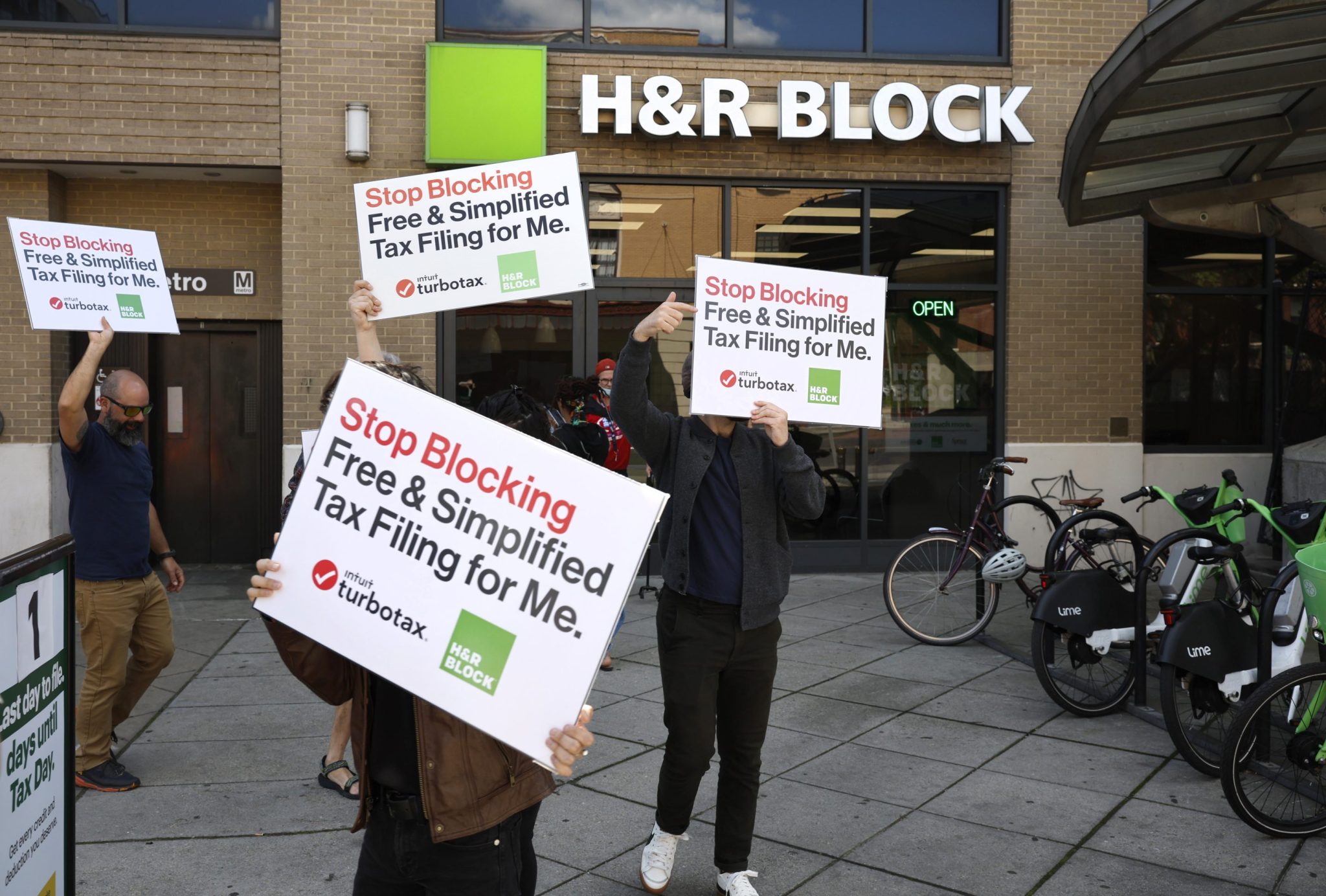
The program showed steady growth and high approval during its short life. In its first year, about 140,000 people used it. By the second year, that number grew to nearly 297,000 users. Surveys showed that 90% of people who used the system rated it as "excellent" or "above average." On the other side, private tax companies like Intuit and H&R Block have spent over $103 million on federal lobbying since 2003 to protect their business interests and oppose government-run filing systems.
Background and Context
For over twenty years, the IRS and private tax companies have had a complicated relationship. In the early 2000s, the government considered building its own filing system but decided not to after private companies complained. Instead, they formed the "Free File Alliance." In this deal, companies promised to offer free filing to low-income people if the IRS promised not to build its own competing tool. However, many people found the private free versions hard to use, leading to a push for a truly public option like Direct File.
Public or Industry Reaction
The reaction to the program’s end is split. Supporters of Direct File, including some members of Congress, argue that the government has a duty to make tax filing as easy and cheap as possible. They view the program's end as a win for big corporations at the expense of regular families. Private tax companies argue that the government should not be both the tax collector and the tax preparer. They claim that Direct File was a waste of taxpayer money because private free options already exist, even if only a small number of people use them.
What This Means Going Forward
While Direct File is currently offline, the debate is not over. Some lawmakers are already introducing new bills to bring the service back and make it a permanent part of the IRS. Experts say that because the technology has already been built and tested, it could be restarted in the future if the political climate changes. For now, taxpayers will have to navigate the existing "Free File" portal or pay for private software to get their taxes done.
Final Take
The rise and fall of Direct File shows how difficult it is for the government to launch services that compete with private industries. Even though the program worked well and users liked it, corporate interests and political shifts ultimately led to its removal. The technology exists to make tax filing free and simple for everyone, but for now, that choice has been taken off the table.
Frequently Asked Questions
Why was the IRS Direct File program stopped?
The program was suspended by the government following a change in administration and heavy lobbying from private tax software companies who argued the service was unnecessary and a conflict of interest for the IRS.
Can I still file my taxes for free?
Yes, but you must use the "Free File" portal on the IRS website, which connects you to private companies. Eligibility usually depends on your income level, and the process can be more complex than the Direct File system was.
How much did tax companies spend to oppose the program?
Major tax preparation companies have spent more than $103 million on federal lobbying since 2003, with a significant portion of that money used to prevent the IRS from creating its own free filing software.