

Summary
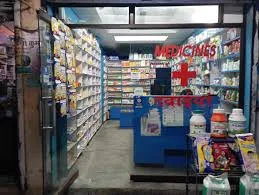
Government hospitals in Himachal Pradesh are missing out on millions of rupees in potential income due to low rent from on-site medicine shops. Currently, 42 pharmacies operating within these medical centers pay a combined annual rent that is surprisingly low. Recent data shows that these shops contribute less than Rs 50 lakh a year to the hospital welfare committees. This has led to calls for a new system where shops compete for space through open bidding to increase revenue for public health services.
Main Impact
The main problem with the current setup is the massive loss of money for Rogi Kalyan Samities (RKS). These are local committees responsible for managing hospital affairs and improving patient facilities. Because the rent collected from these 42 shops is so small, the committees have very little extra money to upgrade medical equipment or fix hospital buildings. This financial gap is even more noticeable when compared to how much private businesses pay to operate in the same areas.
Key Details
What Happened
Information gathered through the Right to Information (RTI) Act has brought this issue to light. It shows that the total rent collected from all 42 medicine shops across the state was only Rs 47.35 lakh during the 2022-23 period. Instead of going up, this amount actually dropped to Rs 37.29 lakh in the following year. These shops are run by the Civil Supplies Corporation under long-term agreements with the hospitals, rather than being rented out to the highest bidder.
Important Numbers and Facts
To understand how low these numbers are, experts point to a single food canteen at the Atal Institute of Medical Super Specialties (AIMSS) in Chamyana. That one canteen pays Rs 32 lakh in rent every year. This means one small food stall pays almost as much as all 42 medicine shops in the state combined. Furthermore, at PGI Chandigarh, just nine medicine shops bring in over Rs 18 crore a year because they are rented out through a competitive bidding process. In Himachal, most shops only pay about 0.2 percent of their total sales as rent.
Background and Context
For many years, the state government has allowed the Civil Supplies Corporation to run pharmacies inside hospitals. The idea was to ensure that patients always have access to medicine. However, the rent agreements were set at very low rates. While these shops do make a profit, very little of that money goes back to the hospitals. In the last two years, the corporation made profits of over Rs 5 crore from these outlets, yet the hospitals received only a tiny fraction of that in rent. This has raised concerns that the current model is outdated and does not help the state's struggling budget.
Public or Industry Reaction
The AIMSS Chamyana Faculty Association has been very vocal about this issue. They have asked the government to cancel the current licenses and start a fresh bidding process. Dr. Yashwant Verma, a leader of the association, stated that the current system does not help patients or the hospitals. He pointed out that even though these shops pay almost no rent, they only give patients a 10 percent discount on medicines. In other places like Chandigarh, shops pay much higher rent but still give patients a 15 percent discount or more.
On the other side, officials from the Civil Supplies Corporation defend the low rent. They argue that they provide a valuable service by keeping shops open 24 hours a day. They also mentioned that they provide nearly Rs 30 crore in credit to hospitals, which helps the medical centers manage their daily costs when they are short on cash.
What This Means Going Forward
The state government is currently looking for ways to save money and increase its income. Changing how hospital shops are rented out could be an easy way to bring in more funds. If the government moves to an open bidding system, the income for hospital welfare committees could jump from a few lakhs to several crores. This extra money could be used to provide better care for patients and reduce the financial pressure on the state. The next step will likely involve a review of the current agreements to see if they can be legally changed or ended.
Final Take
The current rent system for hospital pharmacies in Himachal Pradesh appears to be inefficient and outdated. By sticking to old agreements instead of using a competitive market approach, the state is losing out on a significant source of funding. Moving toward a more transparent and competitive model would not only help the government's finances but could also lead to better discounts and services for the patients who rely on these hospitals every day.
Frequently Asked Questions
Why is the rent for these medicine shops so low?
The rent is low because it is based on old agreements between the hospitals and the Civil Supplies Corporation. Most of these shops pay a very small percentage of their sales, sometimes as low as 0.2 percent, instead of a fixed market rate.
How does this affect patients in Himachal Pradesh?
When hospitals receive less rent, they have less money to spend on patient care and facility upgrades. Additionally, despite the low rent, these shops offer smaller discounts to patients compared to pharmacies in other regions that pay higher rent.
What is the suggested solution to this problem?
Medical associations and experts suggest using an open bidding process. This would allow different companies to compete for the shop space, which would naturally drive up the rent prices and generate more income for the hospitals.
